Introduction
The rapid advancement of technology is transforming the way cities operate and serve their citizens. Smart cities are emerging as innovative urban centers that use digital technologies to improve the quality of life, enhance public services, and promote sustainable development. Through digital transformation, cities can become more efficient, connected, and environmentally friendly. As urban populations continue to grow, smart city initiatives are becoming increasingly important for addressing modern challenges and creating sustainable communities.
What is a Smart City?
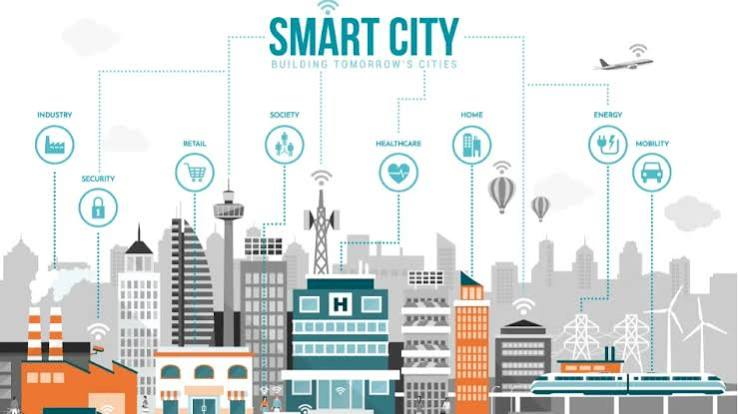
A smart city is an urban area that uses information and communication technologies (ICT), artificial intelligence (AI), the Internet of Things (IoT), and data analytics to manage resources efficiently and improve public services. Smart cities collect and analyze real-time data to make informed decisions that benefit residents, businesses, and governments.
Examples of smart city technologies include intelligent traffic management systems, smart energy grids, digital healthcare services, and automated waste management systems.
Understanding Digital Transformation
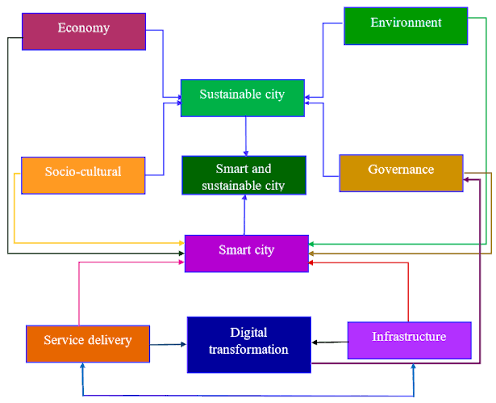
Digital transformation refers to the integration of digital technologies into various aspects of society, business, and government operations. It involves changing traditional processes and adopting innovative solutions to improve efficiency, productivity, and service delivery.
In cities, digital transformation enables governments to provide faster services, improve communication with citizens, and make better use of resources through data-driven decision-making.
Key Features of Smart Cities
1. Smart Transportation
Smart transportation systems use sensors, GPS technology, and data analytics to reduce traffic congestion, improve road safety, and optimize public transportation networks.
2. Smart Energy Management
Advanced energy systems monitor electricity usage and promote renewable energy sources, helping cities reduce carbon emissions and improve energy efficiency.
3. Digital Governance
Governments use online platforms to provide public services, process applications, and communicate with citizens more effectively.
4. Smart Healthcare
Digital health technologies allow remote consultations, electronic medical records, and real-time health monitoring, improving healthcare accessibility and efficiency.
5. Environmental Monitoring
Sensors and monitoring systems help track air quality, water quality, and environmental conditions, supporting sustainable urban development.
Benefits of Smart Cities
Improved Quality of Life
Smart technologies make daily life more convenient by improving transportation, healthcare, communication, and public services.
Economic Growth
Digital transformation attracts investment, creates new job opportunities, and supports innovation-driven economies.
Environmental Sustainability
Smart cities reduce waste, conserve resources, and encourage the use of renewable energy, contributing to environmental protection.
Enhanced Public Safety
Advanced surveillance systems, emergency response technologies, and predictive analytics help improve security and public safety.
Challenges of Smart Cities
Despite their advantages, smart cities face several challenges:
- High implementation and maintenance costs.
- Cybersecurity and data privacy concerns.
- Digital inequality among citizens.
- Dependence on technological infrastructure.
- Need for skilled professionals to manage advanced systems.
Addressing these challenges is essential to ensure that smart city initiatives remain inclusive, secure, and sustainable.
The Future of Smart Cities
The future of smart cities is closely linked to emerging technologies such as artificial intelligence, 5G networks, cloud computing, and big data analytics. As technology continues to evolve, cities will become increasingly connected and capable of providing more personalized and efficient services.
Governments, businesses, and communities must work together to ensure that digital transformation benefits all citizens while promoting sustainability and social inclusion.
Conclusion
Smart cities and digital transformation represent a new era of urban development. By integrating advanced technologies into everyday operations, cities can improve efficiency, enhance public services, and promote sustainable growth. Although challenges exist, the continued development of smart city solutions offers tremendous opportunities to create safer, cleaner, and more connected communities for future generations.