Introduction
Social media has transformed the way athletes communicate with fans, build personal brands, and engage with the public. Platforms such as Instagram, X (formerly Twitter), Facebook, TikTok, and YouTube have given athletes direct access to millions of followers worldwide. While social media offers numerous opportunities, it also presents challenges that can significantly impact athletes’ professional and personal lives.
Positive Effects of Social Media on Athletes
1. Personal Branding
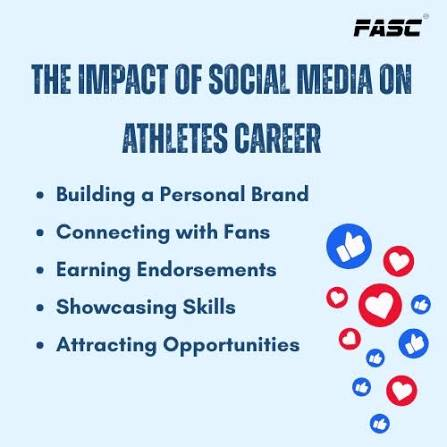
Social media allows athletes to establish and promote their personal brands. By sharing their achievements, training routines, and personal experiences, athletes can strengthen their public image and expand their influence beyond sports.
2. Direct Fan Engagement
Athletes can interact directly with fans, creating stronger relationships and increasing fan loyalty. This interaction helps supporters feel more connected to their favorite sports personalities.
3. Sponsorship Opportunities
A strong social media presence can attract sponsors and endorsement deals. Companies often collaborate with athletes who have large and engaged online audiences.
4. Raising Awareness
Athletes frequently use social media platforms to promote social causes, charitable initiatives, and important public issues, influencing positive social change.
5. Career Growth
Social media provides opportunities for athletes to expand their careers through content creation, business ventures, and partnerships beyond their sporting achievements.
Negative Effects of Social Media on Athletes
1. Online Criticism and Cyberbullying
Athletes often face harsh criticism, negative comments, and online harassment. Such experiences can affect confidence and mental well-being.
2. Privacy Concerns
Constant public attention may reduce personal privacy and expose athletes to unwanted scrutiny.
3. Distractions from Performance
Excessive use of social media can distract athletes from training, recovery, and competition preparation.
4. Pressure to Maintain an Image
Athletes may feel pressure to constantly create content and maintain a positive public image, leading to stress and emotional exhaustion.
Impact on Mental Health
Social media can both support and challenge athletes’ mental health. Positive interactions can boost motivation and confidence, while negative comments and unrealistic expectations may contribute to anxiety and stress. Therefore, athletes must learn to use social media responsibly and maintain a healthy balance between their online and offline lives.
Best Practices for Athletes
To maximize the benefits of social media, athletes should:
- Use platforms professionally and responsibly.
- Protect personal information and privacy.
- Focus on positive engagement.
- Limit exposure to negative content.
- Prioritize mental health and well-being.
Conclusion
Social media has become an essential part of modern sports culture. It provides athletes with powerful tools for communication, branding, and career development. However, responsible usage is necessary to avoid potential risks such as cyberbullying, privacy issues, and mental health challenges. When used effectively, social media can empower athletes and strengthen their connection with fans around the world.