Introduction
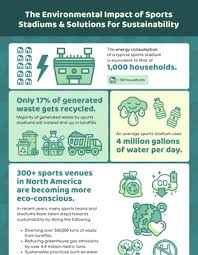
As environmental concerns continue to grow worldwide, the sports industry is increasingly adopting sustainable practices to reduce its ecological footprint. Major sporting events attract millions of spectators and require significant resources, making sustainability an important consideration. Green stadiums and sustainable sports events are emerging as effective solutions to promote environmental responsibility while maintaining the excitement and economic benefits of sports.
Understanding Sustainable Sports Events
Sustainable sports events are competitions organized in a manner that minimizes negative environmental impacts while maximizing social and economic benefits. These events focus on efficient resource management, waste reduction, renewable energy use, and environmental awareness among participants and spectators.
Examples of sustainability initiatives include recycling programs, carbon emission reduction strategies, eco-friendly transportation systems, and water conservation measures.
The Concept of Green Stadiums
Green stadiums are sports facilities designed and operated using environmentally friendly practices. These stadiums incorporate sustainable technologies and materials to reduce energy consumption, conserve natural resources, and minimize waste production.
Key features of green stadiums include:
1. Renewable Energy Sources
Many modern stadiums utilize solar panels and renewable energy systems to generate electricity and reduce dependence on fossil fuels.
2. Water Conservation
Rainwater harvesting systems and efficient irrigation technologies help reduce water consumption while maintaining playing surfaces and facilities.
3. Waste Management
Green stadiums implement recycling and waste separation programs to reduce landfill waste and encourage responsible disposal practices.
4. Energy-Efficient Design
Modern stadiums use energy-efficient lighting, ventilation systems, and building materials to lower energy consumption.
Benefits of Sustainable Sports Events
Environmental Protection
Sustainable sports events help reduce carbon emissions, conserve natural resources, and minimize environmental pollution.
Economic Advantages
Although initial investments may be high, green technologies often reduce long-term operational costs through energy and water savings.
Positive Public Image
Organizations that prioritize sustainability gain public trust and demonstrate their commitment to environmental responsibility.
Educational Impact
Sports events provide an opportunity to educate millions of fans about environmental conservation and sustainable living practices.
Challenges in Implementation
Despite their benefits, sustainable sports initiatives face challenges such as high construction costs, technological limitations, and the need for continuous monitoring and maintenance. Developing countries may also face financial constraints when implementing green infrastructure.
The Future of Sustainable Sports
The future of sports is closely linked to sustainability. As environmental awareness increases, more sports organizations are expected to invest in eco-friendly facilities and practices. International sporting bodies are increasingly incorporating sustainability standards into event planning and stadium construction.
Conclusion
Sustainable sports events and green stadiums represent a positive step toward environmental protection and responsible resource management. By embracing sustainability, the sports industry can reduce its environmental impact while inspiring fans and communities to adopt greener lifestyles. These initiatives demonstrate that sports and environmental stewardship can work together to create a more sustainable.