Introduction
Sports play a vital role in the development of young people. Beyond physical fitness, sports contribute to personal growth, social development, and the acquisition of essential life skills. Participation in sports helps youth build confidence, discipline, teamwork, and leadership abilities that are valuable throughout their lives. In today’s rapidly changing world, sports serve as an effective tool for nurturing healthy, responsible, and productive individuals.
Physical Development
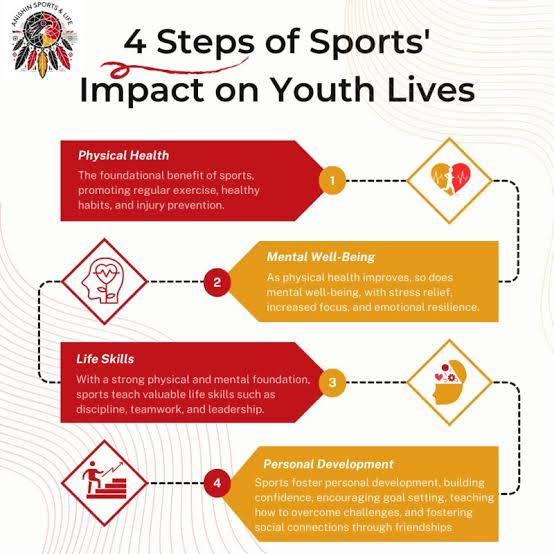
One of the most obvious benefits of sports is improved physical health. Regular participation in sports enhances cardiovascular fitness, strengthens muscles and bones, improves coordination, and helps maintain a healthy body weight. Active young people are less likely to suffer from lifestyle-related diseases and are more likely to develop lifelong healthy habits.
Social Development
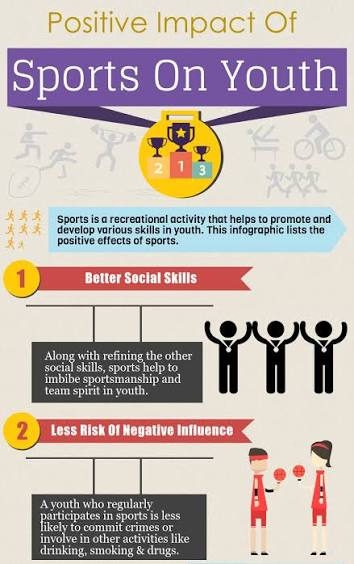
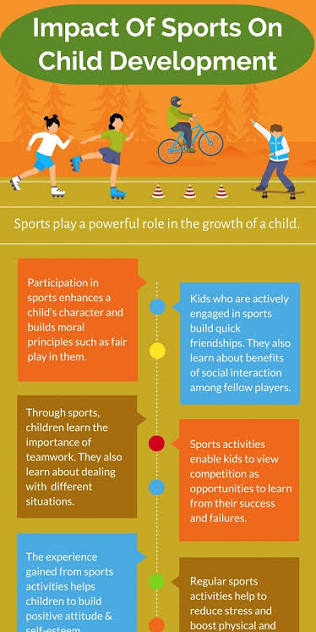
Sports provide opportunities for young people to interact with peers from diverse backgrounds. Through team activities, they learn communication, cooperation, and mutual respect. These social interactions help youth develop strong relationships and a sense of belonging within their communities.
Building Character and Discipline
Sports teach valuable life lessons such as discipline, commitment, and responsibility. Athletes learn the importance of following rules, respecting opponents, and working hard to achieve goals. They also develop resilience by learning how to cope with victories and defeats.
Leadership and Teamwork Skills
Participation in sports encourages leadership development. Team captains and players often take responsibility for motivating and supporting their teammates. Sports also teach individuals how to work effectively within a group, an essential skill for academic and professional success.
Academic Benefits
Research suggests that students who participate in sports often perform better academically. Sports help improve concentration, time management, and self-discipline. The balance between sports and education teaches young people how to manage multiple responsibilities effectively.
Challenges and Solutions
While sports offer numerous benefits, challenges such as injuries, excessive competition, and lack of access to facilities may exist. Parents, coaches, and educational institutions should work together to create safe, inclusive, and supportive environments for young athletes.
Conclusion
Sports are a powerful tool for youth development. They contribute to physical health, social growth, leadership skills, and academic success. By encouraging young people to participate in sports, societies can help develop confident, disciplined, and responsible citizens who are prepared to face future challenges.