Introduction
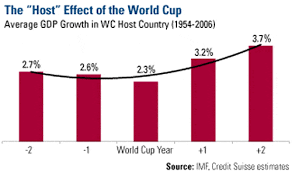
The FIFA World Cup is one of the largest sporting events in the world, attracting billions of viewers and millions of visitors. Beyond football, the tournament has significant economic implications for host countries. From tourism and infrastructure development to job creation and international recognition, the World Cup can influence a nation’s economy in various ways. However, it also presents financial challenges that require careful planning and management.
Economic Benefits of Hosting the FIFA World Cup
1. Growth in Tourism
One of the most immediate benefits of hosting the FIFA World Cup is the increase in tourism. Fans, media representatives, and officials travel from around the world to attend matches and explore the host country. This influx of visitors boosts spending on hotels, restaurants, transportation, and local attractions.
2. Infrastructure Development
Host countries often invest heavily in stadiums, roads, airports, and public transportation systems. These improvements not only support the tournament but also benefit citizens and businesses long after the event has ended.
3. Job Creation
The preparation and organization of the World Cup create employment opportunities in construction, hospitality, security, transportation, and event management. Thousands of temporary and permanent jobs can be generated during the tournament period.
4. Increased Business Activity
Local businesses often experience increased demand for goods and services. Retail stores, food vendors, travel agencies, and entertainment providers benefit from the large number of visitors and increased consumer spending.
5. International Exposure
The FIFA World Cup provides host nations with global visibility. Positive international exposure can attract future investments, increase tourism, and strengthen the country’s image on the world stage.
Challenges and Economic Risks
High Costs of Hosting
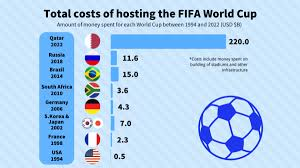
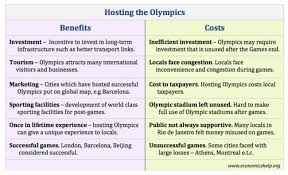
Building stadiums and upgrading infrastructure require substantial financial investment. In some cases, these costs can exceed initial budgets.
Maintenance of Facilities
After the tournament, some stadiums may become underutilized, creating ongoing maintenance expenses for governments.
Economic Uncertainty
The expected economic benefits may not always meet projections. Factors such as low tourist spending or economic downturns can reduce the overall impact.
Long-Term Economic Impact
The long-term success of a World Cup depends on how effectively host countries utilize new infrastructure and maintain tourism growth after the event. Strategic planning can transform short-term investments into lasting economic benefits.
Conclusion
The FIFA World Cup can be a powerful driver of economic growth, creating opportunities in tourism, infrastructure, employment, and international investment. However, host countries must carefully manage costs and plan for long-term sustainability to maximize the benefits of this prestigious global event. When effectively organized, the World Cup can leave a lasting economic legacy that extends far beyond football.