Introduction
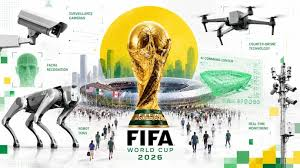
Technology has become an essential part of modern football, transforming the way matches are played, officiated, and experienced by fans. FIFA has embraced technological innovations to improve fairness, accuracy, and entertainment during World Cup competitions. These advancements have significantly enhanced the quality and credibility of the tournament.
Technology in Match Officiating
Video Assistant Referee (VAR)
One of the most significant technological developments in football is the Video Assistant Referee (VAR) system. VAR assists referees in reviewing important decisions, including goals, penalties, red cards, and cases of mistaken identity. This technology helps reduce human error and improves decision-making accuracy.
Goal-Line Technology
Goal-line technology uses cameras and sensors to determine whether the ball has completely crossed the goal line. Within seconds, the referee receives a signal confirming whether a goal has been scored, eliminating controversial decisions.
Performance Analysis and Player Development
Modern teams use advanced data analytics to evaluate player performance. Coaches and analysts collect information on movement patterns, passing accuracy, speed, and fitness levels to improve tactics and training programs.
Wearable devices and tracking systems help monitor player health and performance, reducing injury risks and enhancing preparation.
Enhancing the Fan Experience
Technology has transformed how fans engage with the FIFA World Cup. Live streaming, mobile applications, virtual reality experiences, and social media platforms allow supporters to follow matches from anywhere in the world.
High-definition broadcasting, multiple camera angles, and real-time statistics provide viewers with a more immersive and interactive experience.
Stadium Innovation
Modern World Cup stadiums incorporate advanced technologies such as smart lighting systems, digital ticketing, security monitoring, and environmentally sustainable infrastructure. These innovations improve safety, convenience, and operational efficiency.
Challenges of Technology in Football
Despite its advantages, technology can sometimes slow the pace of the game due to reviews and technical checks. There are also concerns about overreliance on technology and the costs associated with implementing advanced systems.
The Future of Technology in FIFA Competitions
Artificial intelligence, advanced analytics, and enhanced virtual experiences are expected to play a greater role in future FIFA tournaments. These technologies will continue to improve officiating, player performance, and fan engagement.
Conclusion
Technology has revolutionized FIFA World Cup competitions by improving fairness, accuracy, and entertainment. Innovations such as VAR, goal-line technology, performance analytics, and smart stadiums have transformed football into a more transparent and engaging sport. As technology continues to evolve, it will play an even greater role in shaping the future of the FIFA World Cup.