Introduction
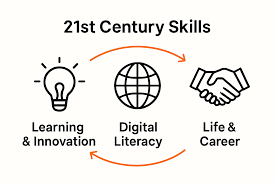
In the digital age, technology has become an integral part of everyday life. From education and communication to business and healthcare, digital tools influence how people learn, work, and interact. As a result, digital literacy has emerged as one of the most important skills of the 21st century. It enables individuals to effectively access, evaluate, create, and communicate information using digital technologies.
Understanding Digital Literacy
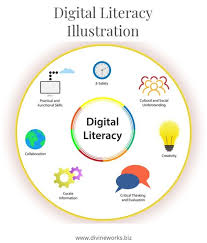
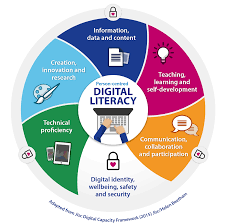
Digital literacy goes beyond the ability to use computers and smartphones. It includes the skills needed to find reliable information online, communicate effectively through digital platforms, protect personal data, and use technology responsibly. Digital literacy empowers individuals to participate actively in modern society.
Importance in Education
Digital literacy enhances learning by providing access to vast educational resources. Students can conduct research, collaborate with peers, and develop critical thinking skills through digital platforms. It also prepares learners for technology-driven careers and lifelong learning.
Importance in the Workplace
Employers increasingly seek workers with strong digital skills. Many jobs require the use of digital tools for communication, data analysis, project management, and problem-solving. Digital literacy improves productivity and helps individuals adapt to changing workplace demands.
Challenges
Despite its importance, many people face barriers to digital literacy, including limited access to technology, inadequate training, and lack of internet connectivity. Bridging the digital divide is essential for ensuring equal opportunities.
Conclusion
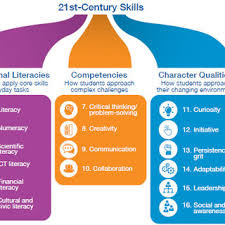
Digital literacy is a fundamental skill for success in the modern world. By developing digital competencies, individuals can enhance their education, career prospects, and participation in society. Governments and educational institutions must continue promoting digital literacy to prepare citizens for the future.