Introduction
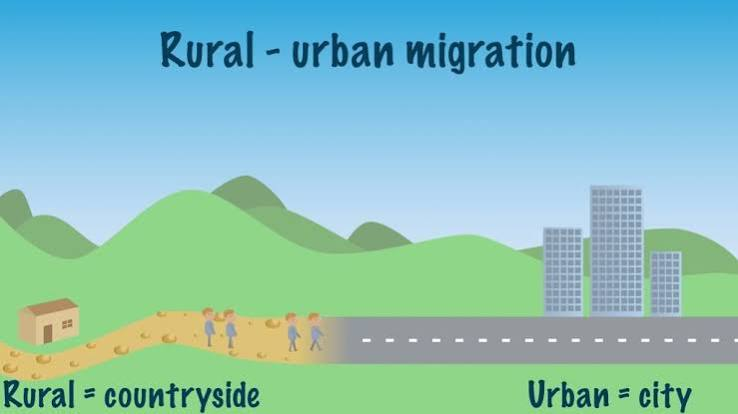
Migration from villages to cities is a common phenomenon around the world. People move from rural areas to urban centers in search of better opportunities and improved living conditions. This movement has significant social, economic, and environmental effects on both villages and cities.
Causes of Rural-to-Urban Migration
Better Employment Opportunities
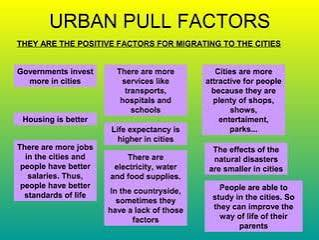
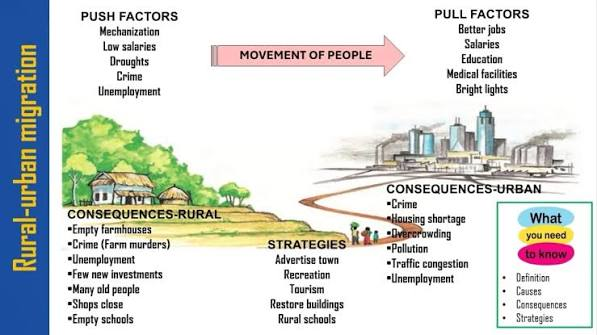
One of the main reasons people move to cities is the availability of jobs. Cities offer employment in industries, businesses, government offices, and service sectors that may not exist in rural areas.
Access to Education
Many students leave villages to pursue higher education in cities. Urban areas often have better schools, colleges, universities, and training institutions that provide greater academic opportunities.
Improved Healthcare Facilities
Cities generally have more hospitals, clinics, and specialized medical services. People may migrate to urban areas to access better healthcare for themselves and their families.
Modern Lifestyle and Amenities
Urban areas provide modern infrastructure, transportation systems, internet connectivity, entertainment options, and public services that attract rural residents seeking a higher standard of living.
Positive Effects of Migration
Economic Growth
Migration contributes to economic development by supplying cities with workers who support industries, businesses, and public services.
Better Living Standards
Many migrants improve their income, education, and healthcare access after moving to cities, leading to improved quality of life.
Knowledge and Skill Development
People who migrate often gain new skills, education, and professional experience that can benefit society and future generations.
Negative Effects of Migration
Overpopulation in Cities
Large-scale migration can lead to overcrowding in urban areas. Increased demand for housing, transportation, water, and public services can create significant challenges.
Pressure on Infrastructure
Rapid population growth may strain roads, schools, hospitals, and sanitation systems, reducing the quality of services available to residents.
Decline in Rural Populations
When many young people leave villages, rural communities may experience labor shortages and slower economic growth. Agricultural production can also be affected.
Social and Cultural Changes
Migration can weaken traditional community structures and cultural practices in villages as younger generations move away from their hometowns.
Solutions for Balanced Development
Governments can reduce excessive migration by investing in rural development. Improving education, healthcare, employment opportunities, transportation, and digital connectivity in villages can encourage people to remain in their communities while still enjoying a good quality of life.
Conclusion
Migration from villages to cities is driven by the desire for better opportunities, education, healthcare, and living standards. While migration can contribute to economic growth and personal advancement, it also creates challenges such as urban overcrowding and rural population decline. Balanced development of both rural and urban areas is essential for sustainable progress.