Introduction
Culture reflects the values, beliefs, customs, and way of life of a community. Both villages and cities have rich cultural traditions, but these traditions often differ due to lifestyle, social structures, and levels of modernization. Understanding these differences helps us appreciate the diversity of human society.
Cultural Life in Villages
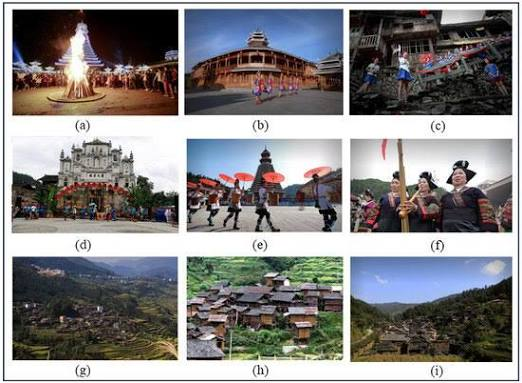
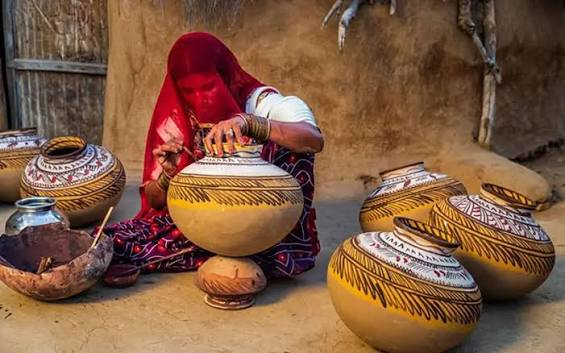
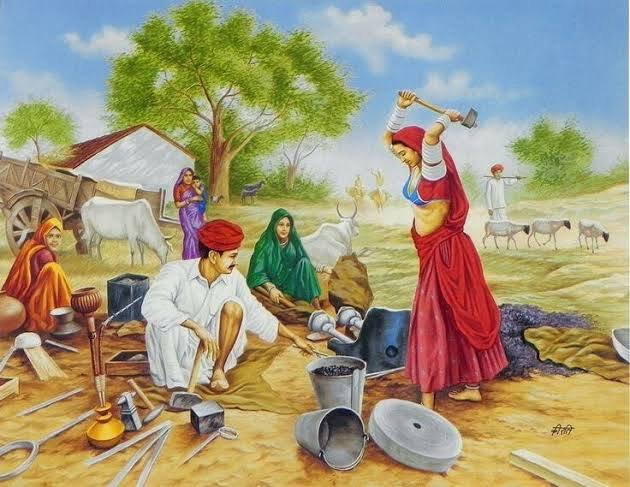
Village culture is deeply rooted in tradition and heritage. People in villages often maintain customs that have been passed down through generations. Traditional clothing, folk music, local dances, and community celebrations remain important parts of daily life.
Festivals and religious events are celebrated collectively, bringing the entire community together. Weddings, harvest festivals, and cultural ceremonies are often large social gatherings that strengthen relationships among villagers.
Strong Community Bonds
One of the defining features of village culture is the close connection between community members. People usually know one another personally and often support each other during celebrations, hardships, and important life events. These strong social ties help preserve cultural traditions.
Cultural Life in Cities
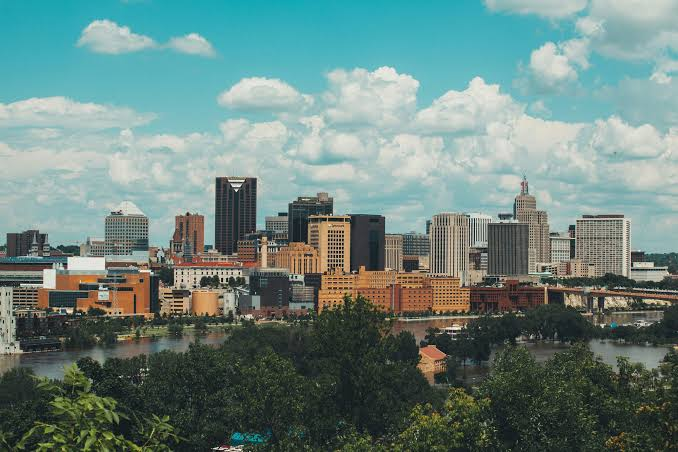
Cities are cultural melting pots where people from different backgrounds, regions, and ethnic groups live together. Urban culture is influenced by globalization, technology, education, and modern lifestyles.
City residents are exposed to various forms of art, music, cuisine, and entertainment from around the world. Cultural diversity encourages creativity and innovation while introducing new traditions and ideas.
Impact of Modernization
Modernization has affected both village and city cultures. In cities, traditional customs may gradually change as people adopt modern lifestyles. In villages, technology and media have introduced new cultural influences, while many communities continue to preserve their heritage.
Similarities Between Village and City Traditions
Despite their differences, both villages and cities value family, community, religion, and cultural celebrations. Festivals, national holidays, and important social events continue to unite people regardless of where they live.
Preserving Cultural Heritage
Preserving cultural traditions is important for maintaining identity and passing knowledge to future generations. Schools, cultural organizations, and local communities play a key role in protecting customs, languages, and traditional arts.
Conclusion
Village culture emphasizes tradition, community spirit, and heritage, while city culture reflects diversity, innovation, and global influences. Both contribute to the richness of society and deserve respect and preservation. By appreciating cultural traditions in both settings, we can build stronger and more inclusive communities.