Introduction
Healthcare is essential for maintaining healthy communities and improving quality of life. However, access to healthcare services often differs significantly between urban and rural areas. These differences affect medical treatment, disease prevention, and overall public health outcomes.
Availability of Healthcare Services
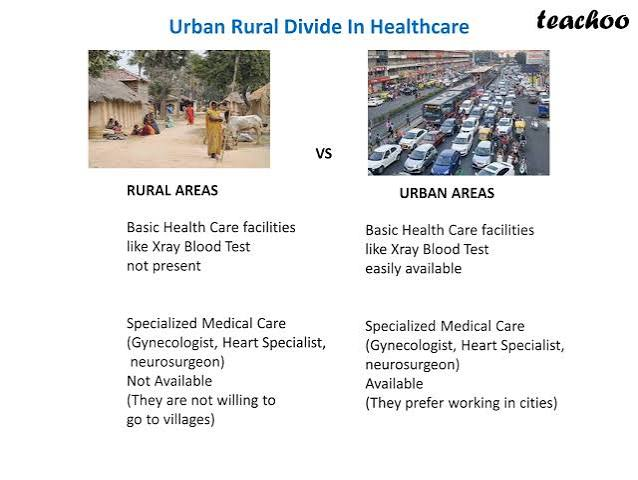
Urban areas generally have a large number of hospitals, clinics, pharmacies, and specialized medical centers. People living in cities can access healthcare services more easily and quickly.
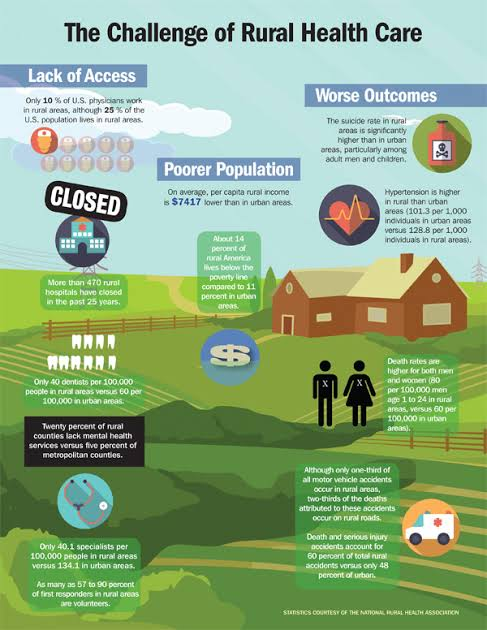
In rural areas, healthcare facilities are often limited. Villages may have only basic health centers, and residents sometimes need to travel long distances to reach hospitals or specialists.
Medical Technology and Equipment
Cities usually benefit from advanced medical technology, including diagnostic machines, surgical equipment, and specialized treatment facilities. This allows healthcare providers to diagnose and treat complex medical conditions effectively.
Rural healthcare centers may lack modern equipment due to limited funding and resources. As a result, patients often need referrals to urban hospitals for advanced care.
Availability of Healthcare Professionals
Urban hospitals attract doctors, nurses, surgeons, and medical specialists because of better career opportunities and working conditions. This results in a higher concentration of healthcare professionals in cities.
Rural areas frequently experience shortages of trained medical staff. Healthcare workers may be reluctant to work in remote locations due to limited facilities and professional growth opportunities.
Emergency Medical Care
Emergency services are generally more accessible in cities. Ambulances, trauma centers, and emergency departments operate around the clock to provide immediate care.
In rural communities, emergency response times can be longer because of distance, poor transportation infrastructure, and fewer medical facilities.
Cost of Healthcare
Although healthcare facilities are more available in cities, treatment costs can be higher due to advanced technology and specialized services.
Healthcare in rural areas may be less expensive, but limited availability often forces patients to travel to cities, increasing overall medical expenses.
The Role of Telemedicine
Modern technology is helping bridge the healthcare gap between urban and rural areas. Telemedicine allows patients in remote locations to consult doctors through video calls and digital platforms. This innovation improves access to healthcare without requiring long-distance travel.
Improving Rural Healthcare
Governments and healthcare organizations can improve rural healthcare by building more clinics, training local healthcare workers, providing medical equipment, and expanding telemedicine services. Better roads and transportation systems can also improve access to medical care.
Conclusion
Urban areas generally provide better healthcare facilities, advanced technology, and access to specialists. Rural areas, however, continue to face challenges related to infrastructure, staffing, and accessibility. Strengthening rural healthcare systems is essential to ensure that all people receive quality medical care regardless of where they live.