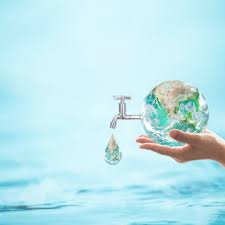
Water is essential for life, supporting human health, agriculture, industries, and ecosystems. Despite covering most of the Earth’s surface, only a small percentage of water is safe and accessible for human use. As populations grow and climate change affects water supplies, conserving water has become more important than ever. Every drop saved today helps secure a sustainable future for tomorrow.
Why Water Conservation Matters
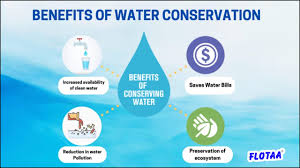
Water conservation involves using water efficiently and reducing unnecessary waste. Conserving water helps preserve freshwater resources, protects ecosystems, lowers utility costs, and ensures enough clean water is available for future generations.
Causes of Water Scarcity
Several factors contribute to water shortages, including:
- Population growth.
- Climate change and prolonged droughts.
- Pollution of rivers, lakes, and groundwater.
- Excessive agricultural and industrial water use.
- Water wastage in homes and businesses.
Addressing these challenges requires both individual responsibility and collective action.
Simple Ways to Conserve Water
1. Fix Leaks Promptly
Even small leaks can waste thousands of liters of water each year. Regular maintenance helps prevent unnecessary water loss.
2. Use Water-Efficient Appliances
Installing low-flow showerheads, efficient washing machines, and water-saving toilets can significantly reduce household water consumption.
3. Turn Off Taps When Not in Use
Simple habits such as turning off the tap while brushing your teeth or washing dishes can save a substantial amount of water over time.
4. Harvest Rainwater
Collecting rainwater for gardening, cleaning, and irrigation reduces dependence on treated water supplies.
5. Practice Smart Irrigation
Water gardens during cooler parts of the day and use drip irrigation systems to minimize evaporation and maximize efficiency.
Environmental Benefits
Conserving water protects rivers, lakes, wetlands, and wildlife habitats. It also reduces the energy needed to pump, treat, and distribute water, lowering greenhouse gas emissions and supporting environmental sustainability.
The Role of Communities
Governments, schools, businesses, and local communities all play important roles in promoting water conservation through education, efficient infrastructure, recycling programs, and sustainable water management policies.
Conclusion
Water is one of our planet’s most precious resources, and conserving it is everyone’s responsibility. Small daily actions can make a significant difference in protecting freshwater supplies, preserving ecosystems, and ensuring that future generations have access to clean and safe water. Together, we can build a more sustainable and water-secure world.