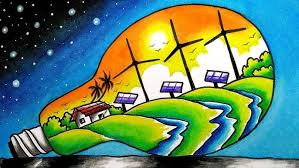
As the world faces the challenges of climate change and rising energy demands, renewable energy has become one of the most important solutions for creating a cleaner and more sustainable future. Unlike fossil fuels, renewable energy sources are naturally replenished and produce significantly lower greenhouse gas emissions. Investing in renewable energy not only protects the environment but also supports economic growth, energy security, and public health.
What Is Renewable Energy?
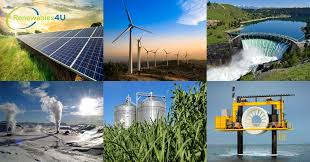
Renewable energy comes from natural resources that are continuously replenished, such as sunlight, wind, water, geothermal heat, and biomass. These energy sources can be used repeatedly without being depleted, making them a sustainable alternative to coal, oil, and natural gas.
Types of Renewable Energy Sources
1. Solar Energy
Solar power uses sunlight to generate electricity through solar panels. It is one of the fastest-growing renewable energy sources because it is clean, abundant, and increasingly affordable for homes and businesses.
2. Wind Energy
Wind turbines convert the movement of wind into electricity. Wind farms can generate large amounts of clean energy while reducing dependence on fossil fuels.
3. Hydropower
Hydroelectric power uses flowing or falling water to produce electricity. It is one of the oldest and most reliable renewable energy sources used worldwide.
4. Geothermal Energy
Geothermal energy utilizes heat from beneath the Earth’s surface to generate electricity and provide heating. It offers a consistent and reliable source of renewable power.
5. Biomass Energy
Biomass energy is produced from organic materials such as agricultural waste, wood, and food waste. When managed responsibly, biomass can help reduce waste while producing renewable energy.
Benefits of Renewable Energy
Renewable energy offers numerous advantages:
- Reduces greenhouse gas emissions.
- Improves air quality and public health.
- Decreases dependence on fossil fuels.
- Creates new jobs in the clean energy sector.
- Promotes energy independence and security.
- Supports sustainable economic development.
Challenges to Renewable Energy
Although renewable energy has many benefits, it also faces challenges such as high initial investment costs, weather-dependent energy production, energy storage limitations, and the need for expanded infrastructure. Continuous technological advancements are helping overcome these obstacles.
The Future of Renewable Energy
As governments, businesses, and communities invest in cleaner technologies, renewable energy is expected to become the primary source of electricity in many countries. Advances in battery storage, smart grids, and energy-efficient technologies will further accelerate the transition toward a greener future.
Conclusion
Renewable energy is more than an environmental solution—it is an investment in a healthier planet and a stronger economy. By embracing clean energy sources, we can reduce pollution, combat climate change, and ensure sustainable energy for future generations.