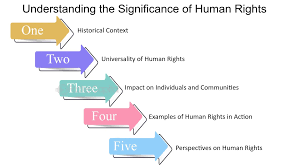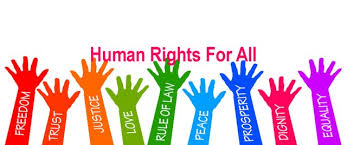
Human rights are the foundation of freedom, equality, and dignity for every individual. Regardless of nationality, race, gender, religion, or background, every person deserves to be treated with respect and protected by basic rights. Human rights ensure that people can live safely, express themselves freely, and pursue opportunities without fear of discrimination or oppression.
What Are Human Rights?
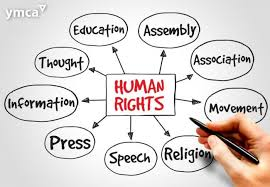
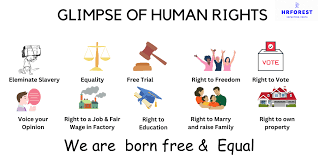
Human rights are fundamental freedoms and protections that belong to every person simply because they are human. These rights include the right to life, education, healthcare, freedom of speech, equality before the law, and protection from violence and discrimination. They are universal, meaning they apply to everyone, everywhere.
Why Human Rights Matter
Human rights create the foundation for peaceful and stable societies. When individuals are treated fairly and equally, communities become stronger and more united. Respecting human rights helps reduce conflicts, promotes social justice, and encourages cooperation among people from different cultures and backgrounds.
Promoting Equality and Inclusion
One of the greatest strengths of human rights is their ability to promote equality. Every individual deserves equal opportunities regardless of gender, ethnicity, disability, or social status. Inclusive societies empower people to contribute their talents and ideas, leading to innovation, economic growth, and stronger communities.
The Role of Education
Education plays a crucial role in protecting human rights. When people understand their rights and responsibilities, they are better equipped to challenge injustice, support equality, and build respectful relationships. Schools, families, and communities all share the responsibility of teaching these values.
Human Rights in the Workplace
Respecting human rights extends into the workplace. Employees deserve safe working conditions, fair wages, equal opportunities, and protection from discrimination or harassment. Organizations that value human rights often enjoy higher employee satisfaction, stronger teamwork, and improved productivity.
Challenges to Human Rights
Despite global progress, many people still face challenges such as discrimination, poverty, child labor, forced labor, violence, and unequal access to education and healthcare. Governments, organizations, and individuals all have a role in addressing these issues through awareness, advocacy, and responsible action.
How Individuals Can Make a Difference
Everyone can contribute to protecting human rights by treating others with respect, standing against discrimination, supporting equal opportunities, volunteering for community initiatives, and educating others about fairness and inclusion. Small actions can create meaningful change when communities work together.
Conclusion
Human rights are essential for creating a world where every individual can live with dignity, freedom, and equality. Protecting these rights benefits not only individuals but also entire societies by fostering peace, justice, and sustainable development. By respecting and promoting human rights, we help build a future where everyone has the opportunity to thrive.