Introduction
Good manners are the foundation of a respectful and civilized society. They reflect a person’s character, values, and upbringing. Whether at home, school, the workplace, or in public, practicing good manners helps build strong relationships, promotes kindness, and creates a positive environment for everyone.
What Are Good Manners?
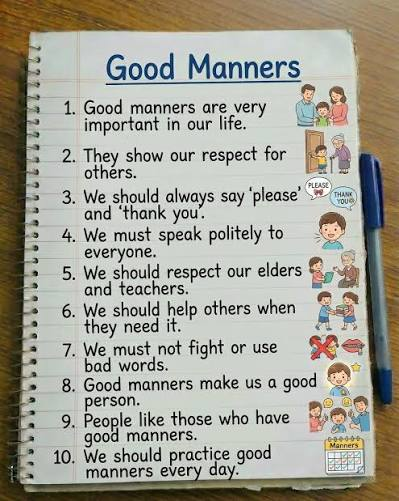
Good manners are polite behaviors that show respect, kindness, and consideration for others. They include saying “please” and “thank you,” speaking politely, listening carefully, respecting elders, and treating everyone with courtesy.
Why Good Manners Matter
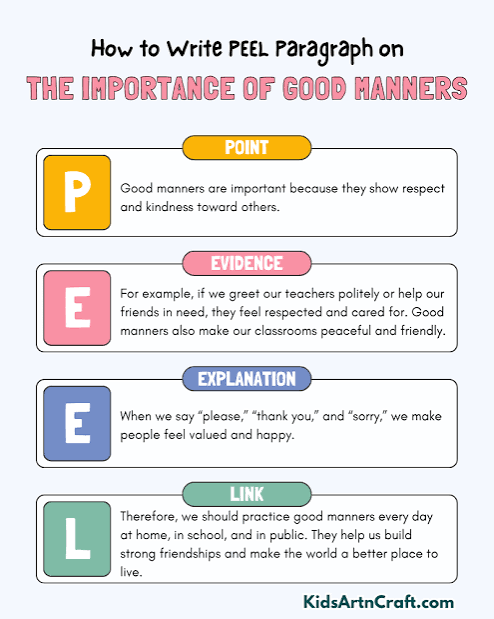
Good manners make everyday interactions pleasant and meaningful. They help people communicate effectively, avoid unnecessary conflicts, and earn the trust and respect of others.
Benefits of Good Manners
1. Build Strong Relationships
Polite behavior strengthens friendships, family bonds, and professional relationships by creating mutual respect and understanding.
2. Create Positive First Impressions
People often judge us by our behavior. Good manners leave a lasting positive impression and demonstrate maturity and confidence.
3. Promote Respect and Kindness
Showing courtesy encourages others to respond with kindness, creating a more harmonious and supportive community.
4. Improve Communication
Listening attentively, speaking respectfully, and expressing gratitude make communication more effective and meaningful.
5. Support Personal and Professional Success
Employers, teachers, and leaders value individuals who are respectful, cooperative, and well-mannered. Good manners contribute to success in both personal and professional life.
Ways to Develop Good Manners
- Always greet people politely.
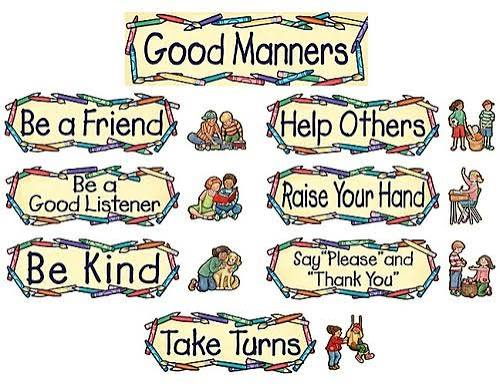
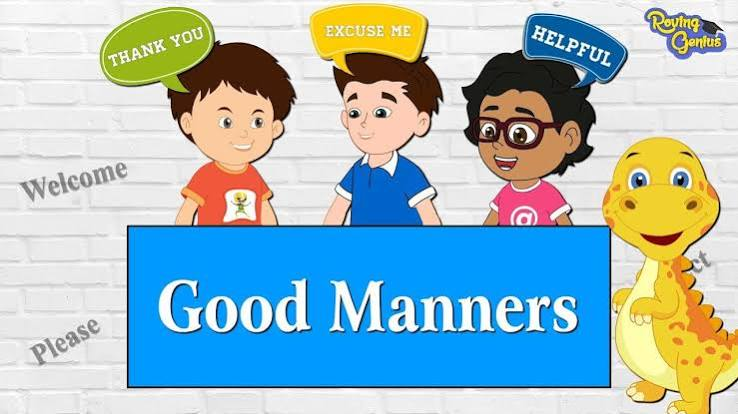
- Say “please,” “thank you,” and “excuse me.”
- Listen without interrupting.
- Respect elders, teachers, and parents.
- Be punctual and responsible.
- Keep promises and be honest.
- Show empathy and help those in need.
- Use polite language both online and offline.
The Role of Parents and Teachers
Parents and teachers play a crucial role in teaching children good manners through guidance and positive examples. By practicing respectful behavior themselves, they help young people develop lifelong values.
Conclusion
Good manners are a priceless asset that enriches our personal and professional lives. They promote respect, kindness, and cooperation while helping us build lasting relationships. By practicing good manners every day, we contribute to a more caring, respectful, and peaceful society.