Introduction
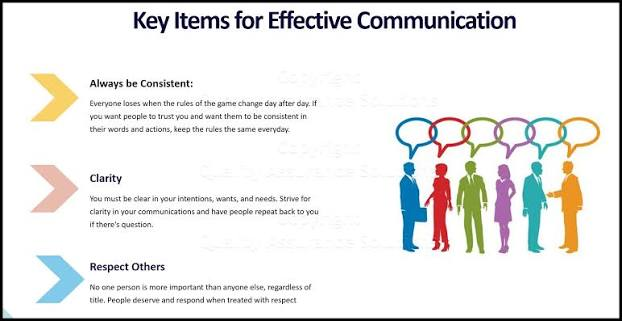
Communication is one of the most valuable skills a person can develop. It is the process of sharing ideas, thoughts, and information with others in a clear and effective way. Strong communication skills help build relationships, improve teamwork, solve problems, and achieve success in both personal and professional life.
What Are Communication Skills?
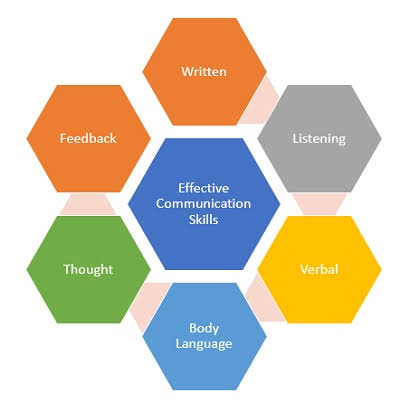
Communication skills refer to the ability to express ideas clearly while also listening carefully to others. They include verbal communication, non-verbal communication, written communication, and active listening. Effective communication ensures that messages are understood correctly and misunderstandings are minimized.
Types of Communication
1. Verbal Communication
This involves speaking clearly and confidently during conversations, meetings, presentations, and discussions.
2. Non-Verbal Communication
Body language, facial expressions, eye contact, posture, and gestures communicate emotions and attitudes without words.
3. Written Communication
Emails, reports, letters, text messages, and social media posts require clear and professional writing.
4. Active Listening
Listening carefully without interrupting shows respect and helps build trust while improving understanding.
Benefits of Good Communication Skills
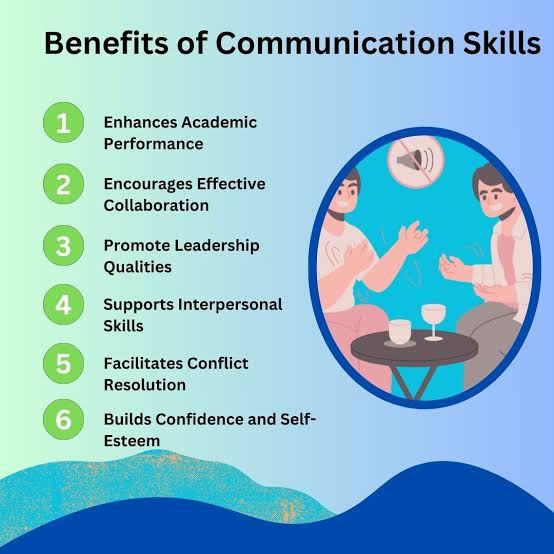
1. Strengthens Relationships
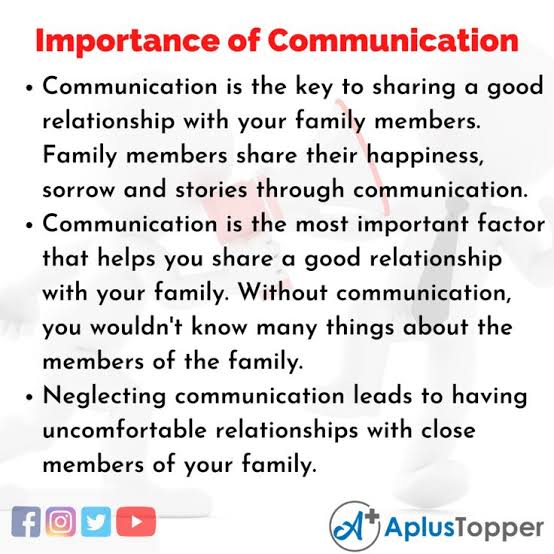
Clear communication builds trust, respect, and understanding among family members, friends, colleagues, and customers.
2. Improves Academic and Career Success
Students communicate better with teachers and classmates, while professionals collaborate more effectively with colleagues and clients.
3. Enhances Teamwork
Successful teamwork depends on sharing ideas, giving feedback, and resolving conflicts through effective communication.
4. Builds Confidence
People who communicate clearly often feel more confident when expressing their opinions or speaking in public.
5. Supports Leadership
Great leaders inspire, motivate, and guide others through strong communication and active listening.
How to Improve Communication Skills
- Listen actively and attentively.
- Speak clearly and confidently.
- Maintain eye contact during conversations.
- Improve your vocabulary and writing skills.
- Be respectful and polite.
- Practice public speaking regularly.
- Accept feedback and learn from mistakes.
Communication in the Digital Age
Modern technology has transformed communication through emails, video conferences, social media, and instant messaging. While these tools make communication faster, it is important to use them responsibly, professionally, and respectfully.
Conclusion
Communication skills are essential for success in every aspect of life. They help people express ideas effectively, build meaningful relationships, and work together to achieve common goals. By practicing good communication every day, individuals can become more confident, productive, and successful.