Introduction
Air pollution is one of the most serious environmental and public health challenges facing the world today. Harmful gases, smoke, dust, and tiny particles released from vehicles, industries, and burning fuels pollute the air we breathe. Poor air quality affects millions of people every year and poses significant health risks.
Major Causes of Air Pollution
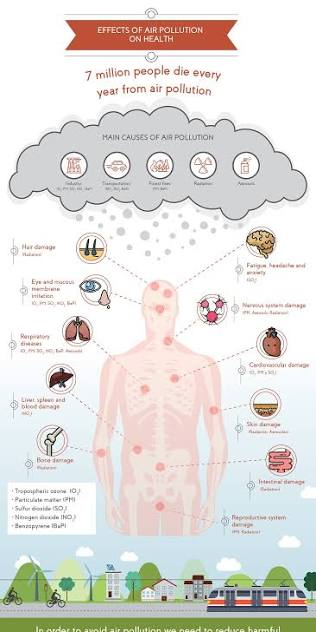
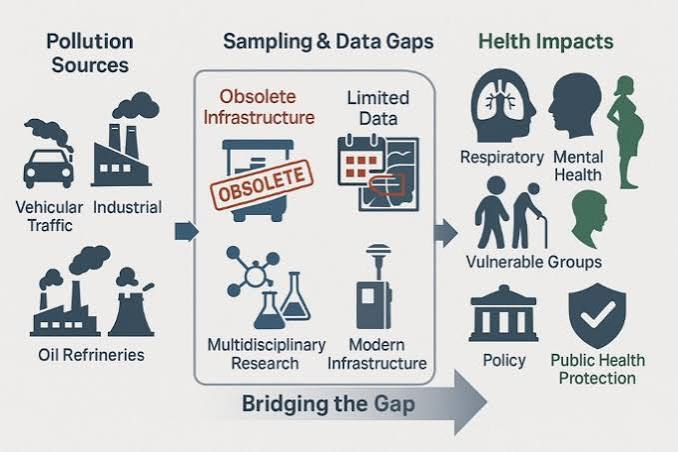
The main sources of air pollution include vehicle emissions, industrial activities, burning fossil fuels, agricultural practices, forest fires, and the open burning of waste. Rapid urbanization and population growth have further increased pollution levels in many cities.
Health Effects
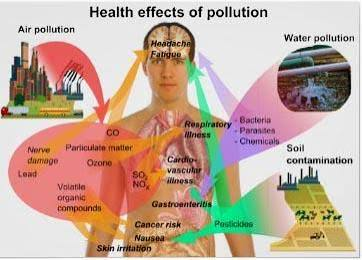
Air pollution can cause respiratory diseases such as asthma, bronchitis, and lung infections. Long-term exposure increases the risk of heart disease, stroke, and lung cancer. Children, older adults, and people with existing health conditions are particularly vulnerable to polluted air.
Environmental Impact
Air pollution contributes to climate change, acid rain, damage to crops, and reduced biodiversity. It also harms forests, lakes, and wildlife, disrupting ecosystems and reducing environmental quality.
Ways to Reduce Air Pollution
Governments can enforce stricter emission standards, promote renewable energy, and improve public transportation. Individuals can reduce pollution by using public transport, cycling, conserving energy, planting trees, avoiding waste burning, and maintaining vehicles properly.
Conclusion
Clean air is essential for good health and a sustainable future. Reducing air pollution requires cooperation between governments, industries, and individuals. By making environmentally responsible choices, we can protect public health and create cleaner, healthier communities.