Introduction
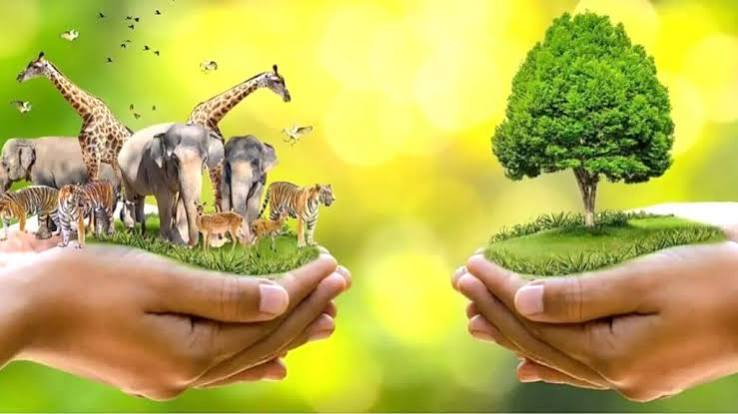
Wildlife and biodiversity are essential for maintaining the balance of nature. Biodiversity includes all living organisms, from plants and animals to microorganisms, that make up Earth’s ecosystems. Protecting wildlife is crucial for ensuring a healthy environment and preserving life for future generations.
Why Biodiversity Is Important
Each species plays a unique role in maintaining ecological balance. Bees pollinate crops, forests absorb carbon dioxide, and predators help control animal populations. Losing even one species can disrupt entire ecosystems and affect human well-being.
Threats to Wildlife
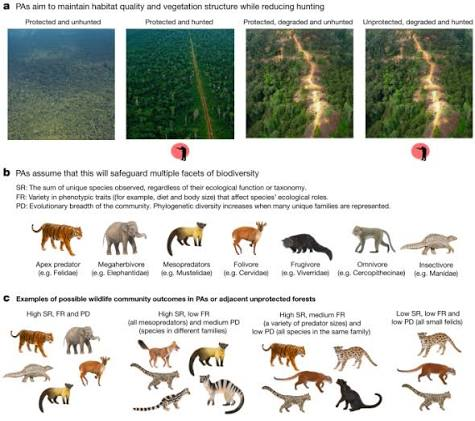
Habitat destruction, climate change, pollution, illegal hunting, and deforestation are among the biggest threats to wildlife. Human activities continue to reduce natural habitats, forcing many species toward extinction.
Conservation Efforts
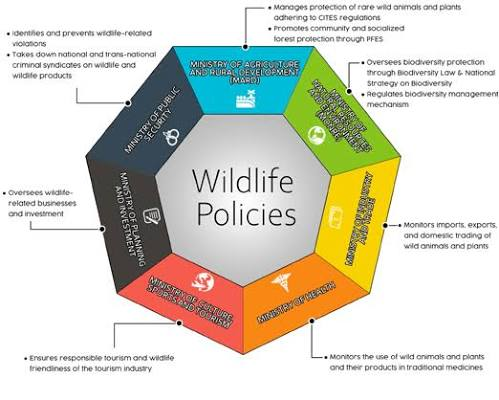
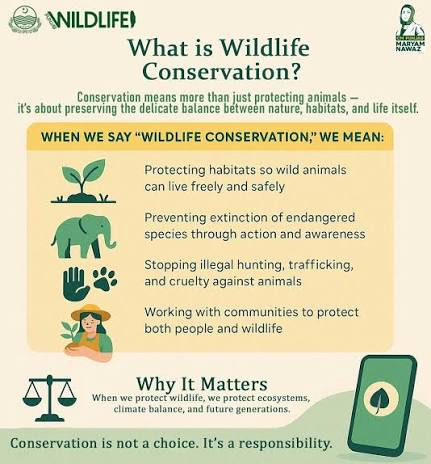
Governments, conservation organizations, and local communities are working together to protect endangered species through wildlife reserves, national parks, anti-poaching laws, habitat restoration, and breeding programs.
How Individuals Can Contribute
People can support wildlife conservation by reducing plastic waste, planting trees, avoiding products made from endangered species, conserving water, and supporting environmental organizations. Educating others about biodiversity also helps create awareness.