Introduction
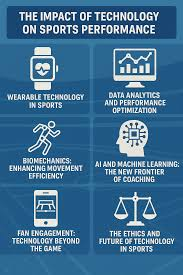
Technology has become an essential part of modern sports, transforming how athletes train, compete, recover, and interact with fans. From advanced performance analysis and wearable fitness devices to video review systems and artificial intelligence, technological innovations have improved fairness, safety, and entertainment across many sports. Whether it is football, cricket, tennis, athletics, or basketball, technology is helping athletes reach new levels of performance while making competitions more accurate and enjoyable for spectators around the world.
The Growing Role of Technology in Sports
Sports organizations are constantly adopting new technologies to improve performance and enhance the overall experience for players, coaches, officials, and fans. Modern technology provides accurate data, supports better decision-making, reduces human error, and creates exciting opportunities for innovation.
Wearable Technology for Athletes
Wearable devices have become an important part of professional sports. Athletes wear smart watches, GPS trackers, heart-rate monitors, and fitness sensors during training and matches.
These devices help measure:
- Heart rate
- Running speed
- Distance covered
- Calories burned
- Body temperature
- Fatigue levels
- Sleep quality
By analyzing this data, coaches can create personalized training programs, improve fitness, and reduce the risk of injuries.
Video Assistant Referee (VAR)
One of the biggest technological advancements in football is the Video Assistant Referee (VAR). This system allows referees to review important decisions using multiple camera angles.
VAR is used to check:
- Goals
- Penalty decisions
- Red card incidents
- Mistaken identity during disciplinary actions
Benefits of VAR
- Reduces major refereeing mistakes.
- Improves fairness in matches.
- Increases confidence in important decisions.
- Supports accurate rule enforcement.
Challenges of VAR
- Can interrupt the flow of the game.
- Some decisions remain open to interpretation.
- Reviews may reduce the excitement of spontaneous goal celebrations.
Goal-Line Technology
Goal-line technology uses high-speed cameras and electronic sensors to determine whether the entire ball has crossed the goal line.
Advantages
- Instant and accurate decisions.
- Eliminates disputes over goals.
- Builds trust among players, officials, and fans.
This technology has become a standard feature in many major football tournaments.
Performance Analysis and Data Analytics
Modern sports rely heavily on data analysis. Coaches use specialized software to evaluate every aspect of a player’s performance.
Important statistics include:
- Passing accuracy
- Ball possession
- Shooting accuracy
- Running distance
- Sprint speed
- Defensive actions
- Player positioning
These insights help coaches improve tactics, identify weaknesses, and prepare for future opponents more effectively.
Artificial Intelligence in Sports
Artificial Intelligence (AI) is becoming increasingly important in sports management and coaching.
AI helps teams:
- Predict player performance.
- Analyze opponents’ tactics.
- Identify injury risks.
- Improve scouting and talent recruitment.
- Support strategic decision-making.
With AI, teams can make faster and more informed decisions based on large amounts of data.
Virtual Reality and Simulation Training
Virtual Reality (VR) allows athletes to practice game situations in realistic digital environments.
Benefits include:
- Improving reaction time.
- Enhancing tactical awareness.
- Practicing decision-making.
- Building confidence before competitions.
VR training is especially useful for sports where quick decisions are essential.
Technology in Injury Prevention and Recovery
Sports medicine has advanced significantly with the help of technology.
Modern tools include:
- Motion analysis systems.
- Muscle monitoring devices.
- Recovery tracking software.
- Cryotherapy equipment.
- Rehabilitation robotics.
These innovations help athletes recover faster, prevent injuries, and extend their professional careers.
Smart Stadiums and Fan Experience
Technology has also changed the way fans enjoy sports.
Modern stadiums now offer:
- High-speed internet access.
- Mobile ticketing.
- Digital scoreboards.
- Cashless payments.
- Interactive fan applications.
- Real-time match statistics.
Fans watching from home benefit from live streaming, multiple camera angles, instant replays, and interactive broadcasts.
Technology Across Different Sports
Technology is making a difference in many sports:
Football
- VAR
- Goal-line technology
- GPS performance tracking
Cricket
- Decision Review System (DRS)
- Ball-tracking technology
- UltraEdge for detecting bat contact
Tennis
- Electronic line-calling systems
- Instant replay technology
Athletics
- Digital timing systems
- Motion sensors
- Performance monitoring devices
Cycling
- Smart bicycles
- Power meters
- GPS navigation
Benefits of Technology in Sports
Technology provides numerous advantages:
- Improves fairness in competitions.
- Enhances athlete performance.
- Reduces injuries.
- Supports better coaching decisions.
- Increases fan engagement.
- Provides accurate statistics.
- Encourages innovation in sports science.
Challenges of Sports Technology
Despite its benefits, technology also presents some challenges:
- High implementation costs.
- Dependence on electronic systems.
- Technical failures during competitions.
- Differences in technology access between wealthy and developing sports organizations.
- Ongoing debates about balancing technology with the traditional spirit of sport.
The Future of Sports Technology
The future promises even greater innovations, including:
- AI-powered coaching assistants.
- Smarter wearable devices.
- Fully automated officiating systems.
- Enhanced virtual and augmented reality experiences.
- Advanced injury prediction models.
- Personalized training programs using machine learning.
These developments will continue to make sports safer, fairer, and more competitive.
Conclusion
Technology has revolutionized the world of sports by improving performance, enhancing fairness, protecting athletes, and creating unforgettable experiences for fans. From wearable fitness trackers and video review systems to artificial intelligence and virtual reality, innovation continues to reshape the sporting landscape. As technology advances, athletes, coaches, officials, and supporters will all benefit from a future where sports are more accurate, exciting, and accessible than ever before.