Introduction
Football is often described as the world’s most popular sport, but success on the pitch depends on much more than individual talent. Behind every winning team is a carefully planned tactical approach that determines how players attack, defend, and work together. Football tactics are the strategies that coaches use to organize their teams, maximize strengths, and overcome opponents. Understanding these tactics allows players to improve their game and helps fans appreciate the intelligence behind every match.
What Are Football Tactics?
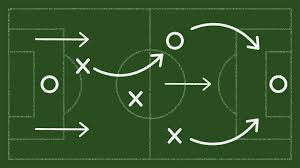
Football tactics refer to the methods and strategies a team uses during a game to achieve victory. These include player positioning, formations, attacking movements, defensive organization, pressing styles, and transitions between attack and defense. Coaches adapt tactics based on the strengths of their players, the style of their opponents, and the importance of the match.
The Importance of Tactical Planning
Good tactics provide structure and discipline to a team. Even if a team has highly skilled players, poor tactical organization can lead to defeat. Effective tactical planning helps teams:
- Maintain possession of the ball.
- Create more scoring opportunities.
- Defend efficiently.
- Control the pace of the game.
- Adapt to different opponents.
Common Football Formations
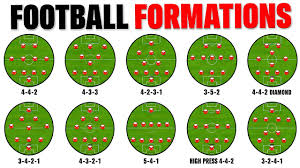
1. 4-4-2 Formation
The 4-4-2 formation consists of four defenders, four midfielders, and two forwards. It is one of the oldest and most balanced formations in football.
Advantages
- Strong defensive organization.
- Easy for players to understand.
- Effective for counterattacks.
Disadvantages
- Can be outnumbered in midfield.
- Requires hardworking wide midfielders.
2. 4-3-3 Formation
This attacking formation includes four defenders, three midfielders, and three forwards. It is popular among teams that focus on possession and high pressing.
Advantages
- Strong attacking options.
- Better control of midfield.
- Excellent for pressing opponents.
Disadvantages
- Full-backs must support both attack and defense.
- Defensive balance can be difficult if players lose possession.
3. 4-2-3-1 Formation
This modern system features two defensive midfielders, three attacking midfielders, and one striker.
Advantages
- Excellent balance between attack and defense.
- Strong midfield protection.
- Flexible attacking play.
Disadvantages
- Relies heavily on the lone striker.
- Creative midfielder must consistently perform well.
4. 3-5-2 Formation
This formation uses three central defenders, five midfielders, and two strikers.
Advantages
- Dominates midfield.
- Provides many passing options.
- Allows wing-backs to support attacks.
Disadvantages
- Wing-backs require exceptional stamina.
- Defensive mistakes can leave space on the wings.
Attacking Tactics
Possession Football
Teams focus on keeping the ball through short, accurate passes. This style controls the game’s tempo and forces opponents to chase the ball, creating gaps in the defense.
Counterattacking
Counterattacking involves defending patiently before launching quick attacks immediately after regaining possession. Fast forwards and accurate passing are essential for this strategy.
Wing Play
Many teams attack through the wings, using speedy wingers and attacking full-backs to deliver crosses into the penalty area for strikers to finish.
High Pressing
Teams immediately pressure opponents after losing possession to win the ball back as quickly as possible. High pressing requires excellent fitness, teamwork, and communication.
Defensive Tactics
Man-to-Man Marking
Each defender is responsible for marking a specific opponent, preventing them from receiving the ball comfortably.
Zonal Marking
Instead of marking individual players, defenders protect specific areas of the field. This system improves overall defensive organization.
Low Defensive Block
Teams stay deep in their own half, reducing space behind the defense and making it difficult for opponents to create clear scoring opportunities.
The Importance of Midfield Control
Midfield is often called the “engine room” of football. Midfielders connect defense and attack, distribute passes, recover possession, and control the pace of the game. Teams that dominate midfield usually enjoy greater possession and create more chances.
Set Pieces
Set pieces can decide closely contested matches. Teams spend many hours practicing:
- Corners
- Free kicks
- Penalties
- Throw-ins
Creative routines and accurate delivery often lead to valuable goals.
The Role of the Coach
A football coach develops tactical plans, studies opponents, selects formations, motivates players, and makes substitutions during matches. Successful coaches adjust their tactics based on how the game develops, ensuring the team remains competitive throughout the match.
How Technology Supports Football Tactics
Modern football uses technology to improve tactical planning. GPS trackers measure players’ movements, video analysis helps coaches review performances, and data analytics identify strengths and weaknesses. These tools enable teams to prepare more effectively and make informed decisions during competitions.
Benefits of Understanding Football Tactics
Learning football tactics helps players improve decision-making, teamwork, communication, and positioning. Coaches can build stronger teams, while fans gain a deeper understanding of the strategic battles that take place during every match.
Conclusion
Football tactics are the foundation of success in modern football. While skill, speed, and fitness remain important, intelligent tactical planning often determines the outcome of a game. From choosing the right formation to executing effective attacking and defensive strategies, tactics allow teams to perform at their highest level. As football continues to evolve, tactical innovation will remain one of the most fascinating aspects of the sport, making every match a contest of both physical ability and strategic thinking.