Introduction
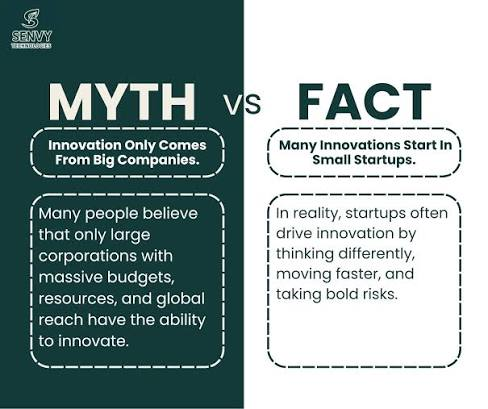
Startups play a vital role in shaping the future of business, technology, and society. Unlike established companies, startups are often built around innovative ideas and creative solutions to everyday problems. Their flexibility, willingness to take risks, and focus on solving real-world challenges enable them to introduce groundbreaking products and services that transform industries. From artificial intelligence and healthcare to finance and education, startups continue to drive innovation and economic growth worldwide.
What Is a Startup?
A startup is a newly established business designed to develop innovative products or services with the potential for rapid growth. Startups typically leverage technology, creativity, and entrepreneurship to meet market needs in unique ways.
How Startups Encourage Innovation
1. Solving Real-World Problems
Most startups begin by identifying a problem and creating a practical solution. Their customer-focused approach often leads to products and services that improve everyday life.
2. Embracing New Technologies
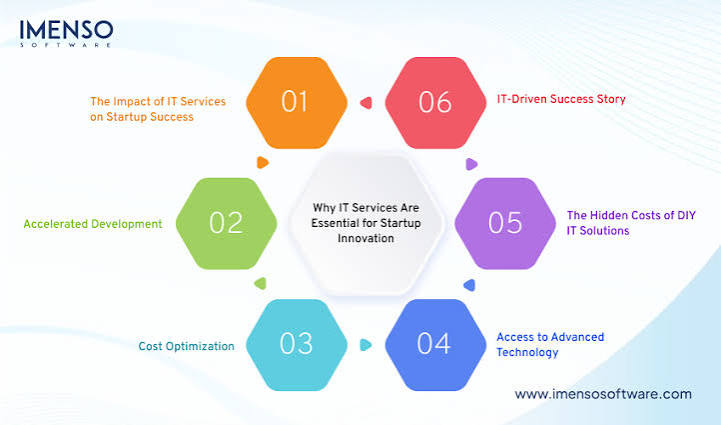
Startups are quick to adopt emerging technologies such as artificial intelligence, blockchain, cloud computing, and the Internet of Things (IoT). These technologies help them create efficient and scalable solutions.
3. Encouraging Creative Thinking
Innovation thrives in startup environments where employees are encouraged to experiment, share ideas, and think outside the box without fear of failure.
4. Faster Decision-Making
Unlike large corporations with multiple layers of management, startups can make decisions quickly, allowing them to adapt to market changes and customer feedback.
5. Driving Industry Competition
Innovative startups challenge established companies to improve their products, services, and customer experiences. This healthy competition benefits consumers and accelerates technological progress.
Economic Contributions of Startups
Job Creation
Successful startups create employment opportunities across various industries, contributing to economic growth and reducing unemployment.
Attracting Investment
Innovative startups often attract venture capital and private investors, bringing financial resources that support research, development, and expansion.
Supporting Local Economies
Growing startups stimulate local businesses by creating demand for suppliers, professional services, and skilled workers.
Characteristics of Successful Startups
- Strong leadership and vision.
- Innovative products or services.
- Customer-focused approach.
- Adaptability and flexibility.
- Skilled and motivated teams.
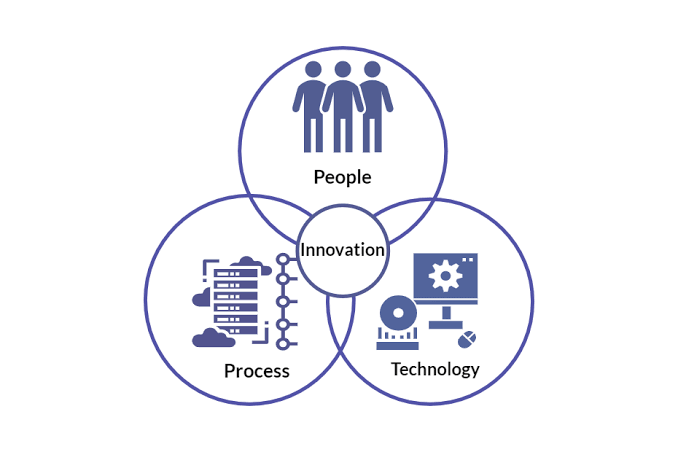
- Effective use of technology.
- Continuous learning and improvement.
Challenges Faced by Startups
Limited Funding
Many startups struggle to secure sufficient capital during their early stages.
Market Competition
Competing against established businesses with larger resources can be difficult.
Business Uncertainty
Market conditions, customer preferences, and economic changes can affect startup success.
Talent Acquisition
Attracting and retaining skilled employees is often challenging for growing businesses.
The Future of Startup Innovation
The future looks promising for startups as advancements in artificial intelligence, renewable energy, biotechnology, fintech, and sustainable technologies create new opportunities. Governments, universities, and investors are increasingly supporting entrepreneurial ecosystems, enabling startups to develop solutions that address global challenges.
Conclusion
Startups are powerful engines of innovation that drive technological progress, create jobs, and improve the quality of life. Their ability to adapt quickly, embrace new ideas, and solve complex problems makes them essential contributors to economic development. As technology continues to evolve, startups will remain at the forefront of innovation, shaping industries and creating opportunities for future generations.