Introduction
Managing money wisely is one of the most valuable life skills a young adult can develop. Whether you are a student, a recent graduate, or starting your first job, good financial habits can help you achieve long-term stability and independence. Personal finance is not just about earning money—it is about budgeting, saving, investing, and making informed financial decisions. By learning these skills early, young adults can avoid unnecessary debt, prepare for emergencies, and build a secure future.
Why Personal Finance Matters
Financial literacy empowers individuals to make smart decisions about spending, saving, borrowing, and investing. Good money management reduces financial stress and helps people achieve important goals such as buying a home, starting a business, or planning for retirement.
Essential Personal Finance Tips
1. Create a Monthly Budget
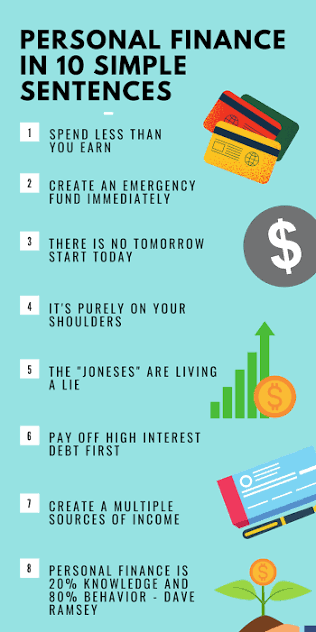
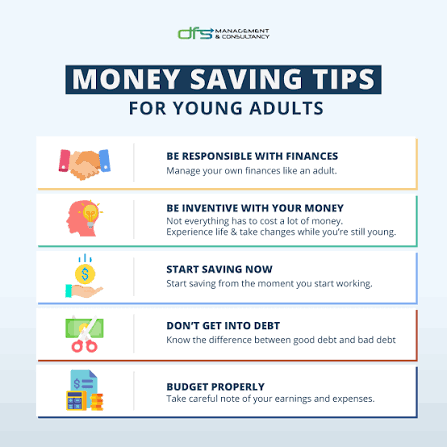
A budget helps you understand where your money comes from and where it goes. List your income and expenses, then allocate funds for necessities, savings, and entertainment. Sticking to a budget prevents overspending and improves financial discipline.
2. Save Before You Spend
Make saving a priority by setting aside a portion of your income as soon as you receive it. Even saving a small amount consistently can grow into a substantial financial reserve over time.
3. Build an Emergency Fund
Unexpected expenses such as medical bills, car repairs, or job loss can occur at any time. Aim to save enough to cover three to six months of living expenses in an emergency fund.
4. Avoid Unnecessary Debt
Borrow money only when necessary. If you use credit cards, pay your balance on time and avoid carrying high-interest debt. Responsible borrowing helps maintain a healthy financial profile.
5. Start Investing Early
Investing allows your money to grow through compound returns over time. Learning about stocks, mutual funds, retirement accounts, or other investment options can help you build long-term wealth.
6. Track Your Expenses
Recording your daily spending helps identify unnecessary expenses and encourages better financial decisions. Many budgeting apps make this process simple and convenient.
7. Set Financial Goals
Establish both short-term and long-term goals, such as buying a laptop, paying for higher education, purchasing a home, or starting a business. Clear goals provide motivation to save and invest consistently.
8. Improve Financial Knowledge
Read books, attend workshops, listen to finance podcasts, or take online courses to expand your understanding of money management and investment strategies.
9. Spend Wisely
Before making a purchase, ask yourself whether it is a need or a want. Comparing prices, looking for discounts, and avoiding impulse buying can significantly increase your savings.
10. Plan for Retirement Early
Although retirement may seem far away, starting early gives your investments more time to grow. Even small contributions can make a significant difference over several decades.
Common Financial Mistakes to Avoid
- Spending more than you earn.
- Ignoring a monthly budget.
- Delaying savings.
- Relying heavily on credit cards.
- Making impulsive purchases.
- Not investing for the future.
- Failing to build an emergency fund.
Benefits of Good Financial Habits
- Greater financial security.
- Reduced stress and anxiety.
- Improved creditworthiness.
- Better preparedness for emergencies.
- Increased opportunities for investment and wealth creation.
- Greater independence and confidence.
Conclusion
Personal finance is a lifelong journey that begins with small, consistent steps. By creating a budget, saving regularly, avoiding unnecessary debt, investing early, and continuously improving financial knowledge, young adults can build a strong financial foundation. Developing smart money habits today will lead to greater financial freedom and long-term success.