Introduction
Gender equality in the workplace means providing equal opportunities, rights, responsibilities, and rewards to all employees regardless of gender. A fair and inclusive work environment allows individuals to contribute their talents without facing discrimination or bias. In today’s global economy, organizations that embrace gender equality often experience greater innovation, stronger teamwork, and improved business performance.
Why Gender Equality Matters
Gender equality is not only a matter of fairness but also a key driver of economic and social progress. When people are judged by their skills, experience, and performance rather than gender, workplaces become more productive and inclusive.
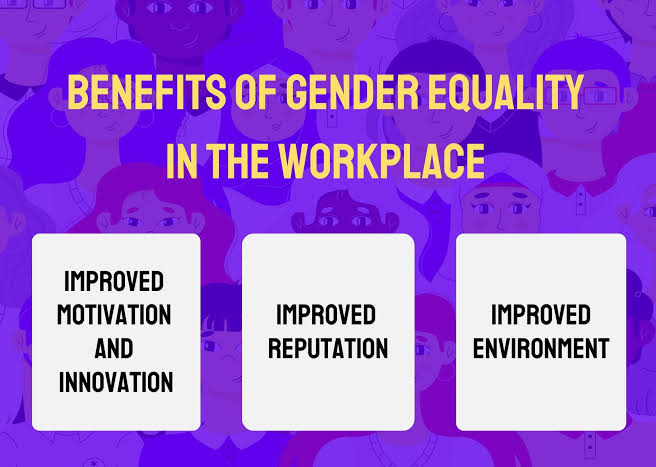
Benefits of Gender Equality in the Workplace
1. Increased Innovation
Diverse teams bring different perspectives, leading to creative ideas and better problem-solving.
2. Higher Employee Satisfaction
Employees who feel respected and treated fairly are more engaged, motivated, and loyal to their organizations.
3. Better Business Performance
Companies with diverse leadership often make better decisions and achieve stronger financial results.
4. Equal Career Opportunities
Everyone should have access to promotions, leadership roles, training, and professional development based on merit.
5. Improved Workplace Culture
Respect, inclusion, and collaboration create a positive environment where employees can perform at their best.
Challenges to Gender Equality
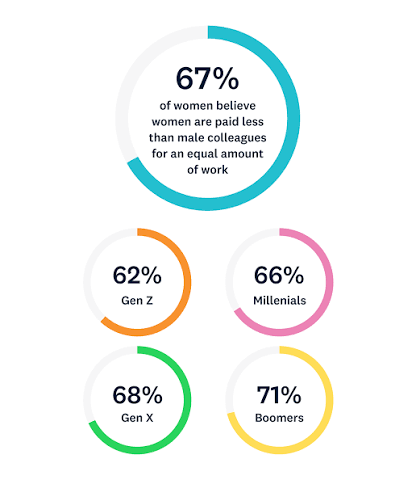
1. Gender Pay Gap
In some industries, women continue to earn less than men for similar work.
2. Unconscious Bias
Stereotypes and assumptions can influence hiring, promotions, and performance evaluations.
3. Limited Leadership Representation
Women and other underrepresented groups may face barriers when pursuing senior leadership positions.
4. Work-Life Balance Challenges
Balancing family responsibilities and career growth can be difficult without supportive workplace policies.
5. Workplace Harassment and Discrimination
A safe and respectful workplace is essential for every employee to succeed.
How Organizations Can Promote Gender Equality
1. Ensure Equal Pay
Employees performing the same work should receive fair and equal compensation.
2. Promote Fair Recruitment
Hiring decisions should focus on qualifications, skills, and experience rather than gender.
3. Encourage Leadership Development
Provide mentoring, training, and leadership opportunities for employees from all backgrounds.
4. Support Flexible Work Arrangements
Remote work, flexible schedules, and family-friendly policies help employees balance personal and professional responsibilities.
5. Build an Inclusive Culture
Encourage respect, diversity, open communication, and zero tolerance for discrimination or harassment.
6. Provide Equal Access to Learning
Offer training programs, workshops, and career development opportunities to all employees.
The Role of Employees
Employees also contribute to gender equality by respecting colleagues, challenging stereotypes, supporting inclusive practices, and reporting discrimination when it occurs. Everyone has a role in creating a workplace where people are valued for their abilities and contributions.
The Future of Gender Equality
As businesses continue to recognize the value of diversity and inclusion, workplaces are becoming more equitable. Advances in technology, flexible working models, and stronger organizational policies are helping create environments where everyone has the opportunity to succeed based on talent and performance.
Conclusion
Gender equality in the workplace benefits employees, organizations, and society as a whole. By ensuring equal opportunities, fair treatment, and an inclusive culture, businesses can unlock the full potential of their workforce. Creating a workplace where everyone is respected and empowered leads to greater innovation, stronger performance, and long-term success.