Introduction
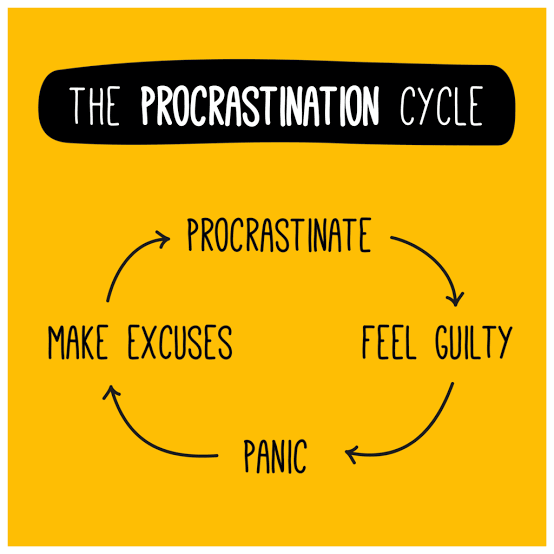
Procrastination is the habit of delaying or postponing important tasks despite knowing that doing so may lead to negative consequences. Almost everyone procrastinates at some point, whether it’s putting off studying for an exam, completing a work project, or handling household responsibilities. While occasional procrastination is normal, making it a habit can affect productivity, increase stress, and prevent personal and professional growth. Fortunately, procrastination can be overcome with the right mindset and practical strategies.
What Is Procrastination?
Procrastination is the act of delaying tasks that require immediate attention and replacing them with less important or more enjoyable activities. It is often caused by fear of failure, lack of motivation, perfectionism, poor time management, or feeling overwhelmed.
Common Causes of Procrastination
1. Fear of Failure
Many people delay tasks because they worry about making mistakes or not meeting expectations.
2. Perfectionism
Wanting everything to be perfect can make it difficult to even begin a task.
3. Lack of Motivation
When a task seems boring or uninteresting, people are more likely to postpone it.
4. Poor Time Management
Without proper planning, important tasks can pile up and become overwhelming.
5. Distractions
Social media, television, mobile phones, and unnecessary interruptions often reduce focus and productivity.
6. Feeling Overwhelmed
Large or complex projects may seem impossible to complete, leading people to avoid them altogether.
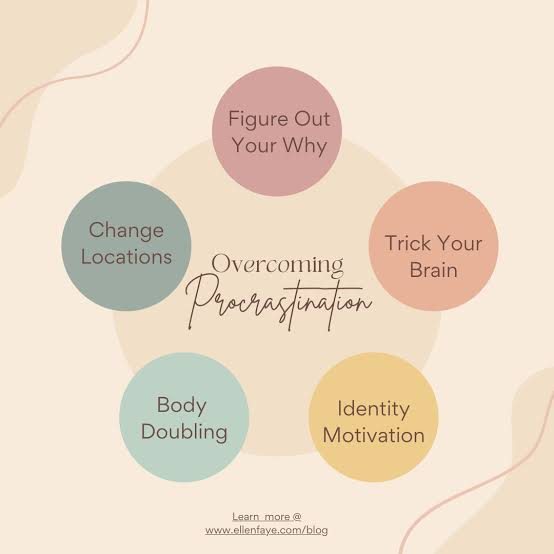
Effective Ways to Overcome Procrastination
1. Set Clear Goals
Break large goals into smaller, manageable tasks. Completing one step at a time makes progress feel achievable.
2. Create a Daily Schedule
Plan your day with specific time slots for studying, working, exercising, and relaxing. A structured routine helps build discipline.
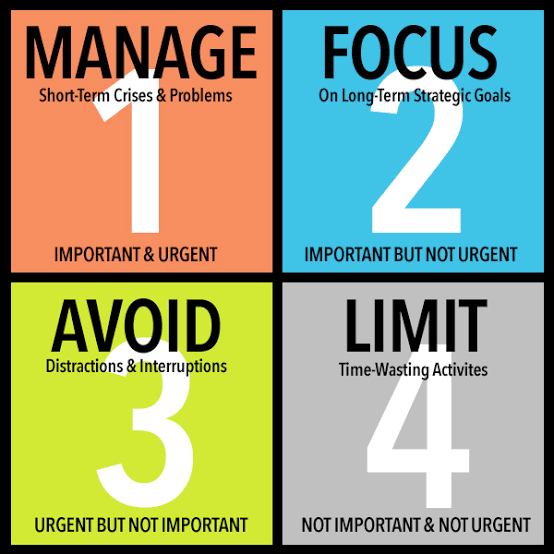
3. Prioritize Important Tasks
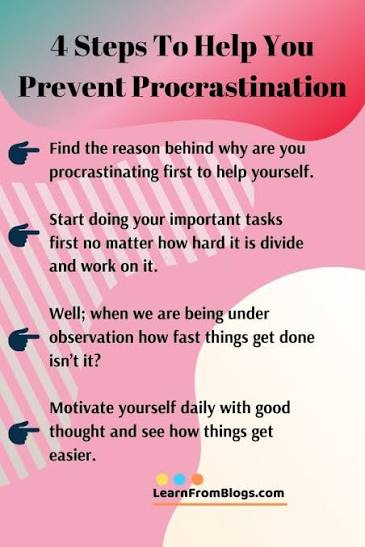
Start your day with the most important or difficult task. Completing it early creates momentum for the rest of the day.
4. Use Time Management Techniques
Methods such as the Pomodoro Technique—working for 25 minutes followed by a 5-minute break—can improve focus and reduce mental fatigue.
5. Eliminate Distractions
Turn off unnecessary notifications, keep your workspace organized, and avoid websites or apps that interrupt your concentration.
6. Focus on Progress, Not Perfection
Aim to complete tasks rather than waiting for perfect conditions. You can always improve your work later.
7. Reward Yourself
Celebrate small achievements with short breaks, a favorite snack, or another simple reward to stay motivated.
8. Develop Self-Discipline
Consistent daily habits help build discipline and reduce the tendency to delay important work.
9. Stay Healthy
Regular exercise, balanced nutrition, and adequate sleep improve energy levels, concentration, and overall productivity.
10. Maintain a Positive Mindset
Believe in your ability to succeed. Replacing negative thoughts with positive ones increases confidence and motivation.
Benefits of Overcoming Procrastination
- Increased productivity
- Better academic and professional performance
- Reduced stress and anxiety
- Improved time management
- Greater self-confidence
- Higher quality of work
- More free time for hobbies and family
- Better work-life balance
Conclusion
Overcoming procrastination is a gradual process that requires commitment, planning, and self-discipline. By setting clear goals, managing time wisely, minimizing distractions, and maintaining a positive attitude, anyone can become more productive and achieve greater success. Every small step taken today brings you closer to your long-term goals. The best time to start is now.