Introduction
Social media has become an essential part of modern life, especially for students. Platforms such as Facebook, Instagram, YouTube, X (formerly Twitter), and TikTok are widely used for communication, entertainment, and information sharing. In recent years, social media has also emerged as a powerful educational tool. It provides students with access to knowledge, learning resources, and opportunities for collaboration. However, excessive use of social media can also create challenges that affect academic performance. Therefore, it is important to understand both the positive and negative impacts of social media on student learning.
Positive Effects of Social Media on Learning
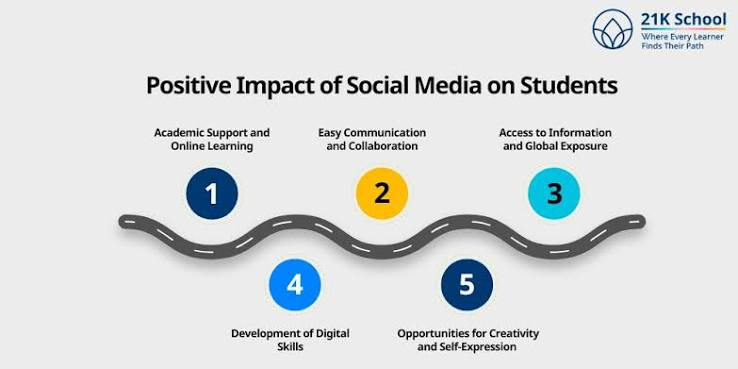
One of the greatest advantages of social media is easy access to educational content. Students can watch educational videos, attend online lectures, join study groups, and access research materials from anywhere in the world. Social media platforms allow learners to connect with teachers, experts, and fellow students, making learning more interactive and collaborative.
Social media also encourages communication and knowledge sharing. Students can discuss assignments, exchange ideas, and work together on projects. Educational pages and channels provide valuable information on various subjects, helping students improve their understanding and academic skills.
Furthermore, social media supports self-directed learning. Students can learn at their own pace by accessing tutorials, online courses, and educational content whenever they need it. This flexibility makes learning more convenient and personalized.
Negative Effects of Social Media on Learning
Despite its benefits, social media can also have negative effects on student learning. One major concern is distraction. Many students spend excessive time browsing social media, which reduces the time available for studying and completing assignments. Constant notifications and entertainment content can affect concentration and productivity.
Another issue is the spread of misinformation. Not all information shared on social media is accurate or reliable. Students may encounter false or misleading content that can negatively influence their learning.
Excessive use of social media may also lead to poor time management, sleep disturbances, and reduced face-to-face interaction. These factors can affect academic
Strategies for Effective Use of Social Media
Students can maximize the benefits of social media by using it responsibly. Some useful strategies include:
- Following educational pages and channels.
- Setting specific time limits for social media use.
- Verifying information from reliable sources.
- Using social media for academic discussions and collaboration.
- Avoiding unnecessary distractions during study time.
By adopting these practices, students can use social media as a valuable learning resource while minimizing its negative effects.
Conclusion
In conclusion, social media has transformed the way students learn and communicate. It offers numerous educational opportunities, including access to information, collaboration, and self-directed learning. However, excessive and unplanned use can create distractions and negatively affect academic performance. Therefore, students should use social media wisely and responsibly to enhance their learning experience and achieve academic success.