Introduction
Education is one of the most powerful tools for personal growth and societal progress. Quality education equips individuals with knowledge, skills, values, and attitudes that enable them to contribute positively to society. Sustainable development, on the other hand, refers to development that meets the needs of the present without compromising the ability of future generations to meet their own needs. Quality education and sustainable development are closely connected because education empowers people to make informed decisions, promote social justice, and support environmental protection.
Understanding Quality Education
Quality education goes beyond simply attending school. It ensures that learners acquire relevant knowledge, practical skills, critical thinking abilities, and ethical values. A quality education system provides equal learning opportunities, qualified teachers, effective teaching methods, modern learning resources, and a safe learning environment. It prepares students to face the challenges of the modern world and become responsible citizens.
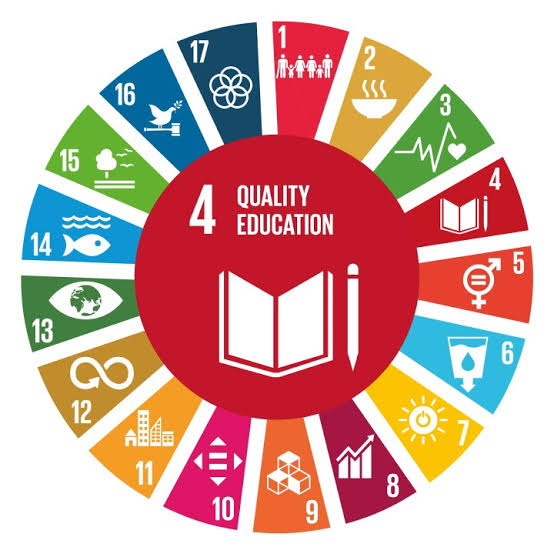
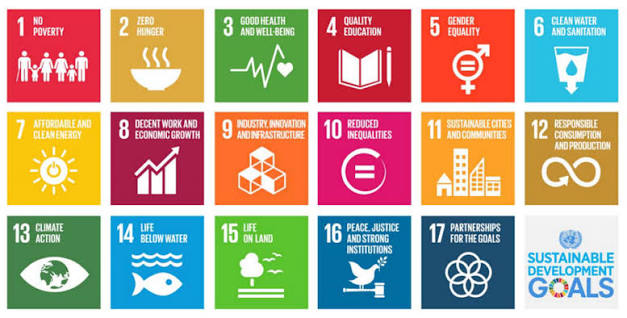
Quality education is recognized globally through the United Nations Sustainable Development Goal 4 (SDG 4), which aims to ensure inclusive and equitable quality education and promote lifelong learning opportunities for all.
Sustainable Development and Its Importance
Sustainable development focuses on balancing economic growth, social well-being, and environmental protection. It aims to improve people’s quality of life while preserving natural resources for future generations. Sustainable development addresses global challenges such as poverty, inequality, climate change, and environmental degradation.
The Relationship Between Quality Education and Sustainable Development
Quality education contributes directly to sustainable development in several ways:
1. Promoting Economic Growth
Educated individuals are more likely to secure employment, increase productivity, and contribute to economic development.
2. Reducing Poverty and Inequality
Education provides opportunities for social mobility and helps reduce income disparities within society.
3. Encouraging Environmental Awareness
Students learn about environmental conservation, climate change, and sustainable practices that protect natural resources.
4. Supporting Social Justice and Equality
Quality education promotes tolerance, inclusion, gender equality, and respect for human rights.
5. Developing Critical Thinking and Problem-Solving Skills
Education enables learners to analyze problems and develop innovative solutions for sustainable development challenges.
Challenges to Achieving Quality Education
Despite significant progress, many countries still face challenges in providing quality education. These challenges include inadequate funding, shortage of qualified teachers, lack of educational resources, unequal access to schools, and the digital divide. Addressing these issues is essential to achieving sustainable development goals.
Conclusion
In conclusion, quality education is a fundamental pillar of sustainable development. It empowers individuals, strengthens communities, and promotes economic, social, and environmental progress. By investing in quality education, societies can create informed, responsible, and skilled citizens who contribute to a sustainable and prosperous future. Therefore, governments, educational institutions, and communities must work together to ensure that quality education is accessible to all and supports the achievement of sustainable development goals.