Introduction
Protecting the environment begins with the choices we make every day. As concerns about climate change, pollution, and the depletion of natural resources continue to grow, adopting eco-friendly habits has become more important than ever. Sustainable living does not require major lifestyle changes; simple daily actions can collectively have a significant positive impact on the planet. By making environmentally responsible choices, individuals help preserve natural resources, reduce pollution, and create a healthier future for everyone.
What Does It Mean to Be Eco-Friendly?
Being eco-friendly means making decisions that minimize harm to the environment. It involves reducing waste, conserving energy and water, using sustainable products, and supporting practices that protect ecosystems. Every environmentally conscious action contributes to preserving the Earth’s resources.
Simple Eco-Friendly Habits
Reduce, Reuse, and Recycle
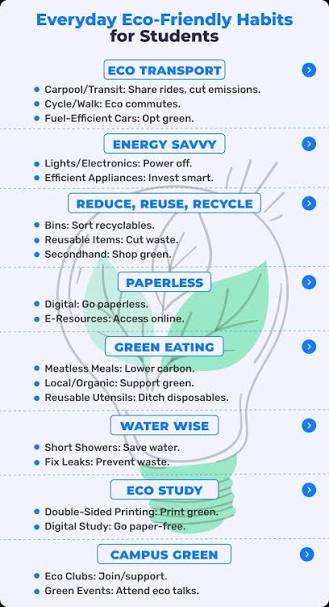
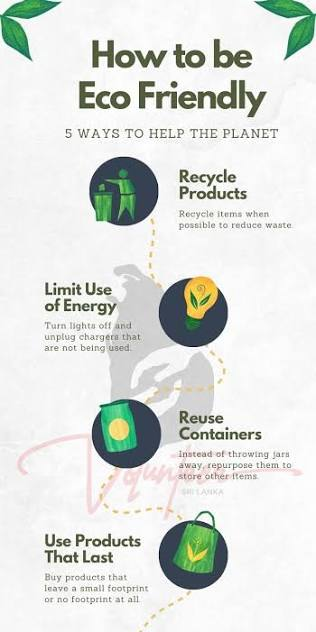
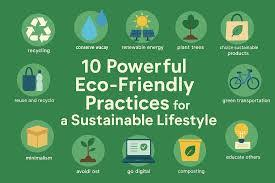
The three Rs remain one of the most effective ways to reduce waste. Before throwing something away, consider whether it can be reused or recycled. Recycling paper, plastic, glass, and metal helps conserve raw materials and reduces landfill waste.
Carry Reusable Items
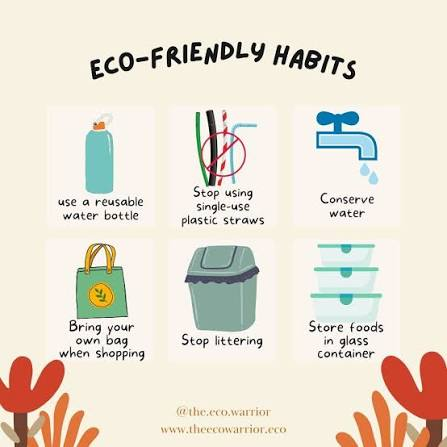
Using reusable shopping bags, water bottles, coffee cups, lunch containers, and cloth napkins significantly reduces the use of disposable plastic products.
Save Electricity
Turn off lights, fans, computers, and other electrical devices when not in use. Switching to LED lighting and energy-efficient appliances lowers electricity consumption and reduces carbon emissions.
Conserve Water
Simple habits such as turning off the tap while brushing your teeth, repairing leaks, collecting rainwater for gardening, and taking shorter showers help protect freshwater resources.
Walk, Cycle, or Use Public Transportation
Whenever possible, choose environmentally friendly transportation. Walking and cycling produce no emissions while improving personal health. Public transportation also helps reduce traffic congestion and air pollution.
Eat More Sustainable Foods
Including more fruits, vegetables, whole grains, and locally produced foods in your diet can reduce the environmental impact associated with food production and transportation. Avoiding food waste is equally important.
Plant Trees and Care for Green Spaces
Trees absorb carbon dioxide, improve air quality, reduce heat, and provide shelter for wildlife. Planting and caring for trees contributes to healthier communities.
Buy Responsibly
Support businesses that use sustainable packaging, ethical production methods, and environmentally friendly materials. Purchasing durable products instead of disposable ones reduces waste.
Eco-Friendly Habits at Home
Families can make their homes more sustainable by:
- Using natural light during the day.
- Composting food scraps.
- Washing clothes with full loads.
- Using reusable cleaning cloths instead of disposable wipes.
- Avoiding unnecessary plastic packaging.
These small actions save money while protecting the environment.
Inspiring Others
Eco-friendly habits become even more effective when shared with others. Parents, teachers, and community leaders can educate children and encourage neighbors to participate in environmental conservation activities. Every positive example inspires broader change.
Benefits of Eco-Friendly Living
Adopting sustainable habits offers many advantages:
- Reduces pollution and waste.
- Conserves natural resources.
- Protects wildlife and biodiversity.
- Improves public health.
- Saves energy and money.
- Supports sustainable economic development.
- Creates cleaner communities for future generations.
Conclusion
Living an eco-friendly lifestyle is one of the simplest ways to contribute to environmental protection. Small daily habits, such as reducing waste, conserving water and energy, recycling, planting trees, and choosing sustainable products, can collectively make a lasting difference. Every individual has the power to protect the planet through responsible choices. By adopting eco-friendly habits today, we help ensure a cleaner, healthier, and more sustainable world for generations to come.