Introduction
Pollution is one of the greatest environmental challenges facing the world today. Air, water, and soil pollution threaten human health, wildlife, and ecosystems while contributing to climate change and the loss of biodiversity. Although governments, industries, and international organizations play vital roles in addressing pollution, individuals also have the power to make a meaningful difference. Every small action, when multiplied across millions of people, can contribute to a cleaner and healthier planet.
Understanding Pollution
Pollution occurs when harmful substances contaminate the environment. The major types of pollution include:
- Air Pollution: Caused by vehicle emissions, industrial activities, and the burning of fossil fuels.
- Water Pollution: Results from untreated sewage, plastic waste, industrial chemicals, and agricultural runoff entering rivers, lakes, and oceans.
- Soil Pollution: Caused by improper waste disposal, excessive use of pesticides, and industrial waste.
- Noise Pollution: Produced by heavy traffic, construction activities, and loud machinery, affecting both humans and wildlife.
Understanding these forms of pollution helps individuals make informed choices to reduce their environmental impact.
Why Individual Actions Matter
Many people believe that one person’s efforts cannot solve environmental problems. However, collective action begins with individual responsibility. Choosing sustainable habits can inspire family members, friends, and communities to adopt similar practices, creating a positive ripple effect.
Every reusable bag, every recycled bottle, and every tree planted contributes to reducing pollution.
Practical Ways Individuals Can Fight Pollution
Reduce Plastic Use
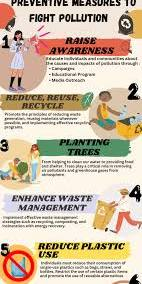
Single-use plastics are among the largest contributors to environmental pollution. Individuals can reduce waste by carrying reusable shopping bags, water bottles, food containers, and reusable utensils.
Practice Proper Waste Disposal
Separating recyclable materials from general waste helps reduce landfill pollution. Hazardous waste such as batteries, electronics, and chemicals should be disposed of at designated collection centers.
Save Energy
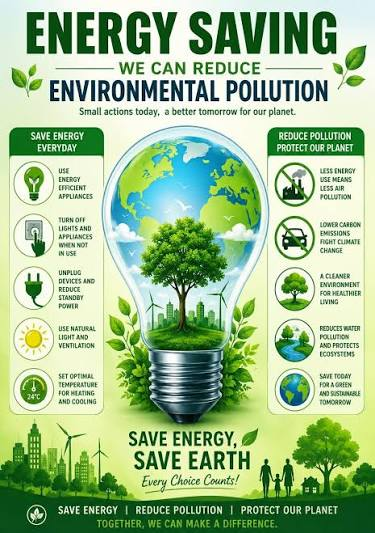
Turning off lights and electrical appliances when not in use reduces energy consumption. Using energy-efficient appliances and LED bulbs also lowers greenhouse gas emissions.
Choose Sustainable Transportation
Walking, cycling, carpooling, or using public transportation reduces vehicle emissions and improves air quality. When possible, choosing electric or hybrid vehicles further decreases pollution.
Conserve Water
Simple actions such as fixing leaking taps, taking shorter showers, and using water-efficient appliances help preserve this valuable resource and reduce water pollution.
Plant Trees and Protect Green Spaces
Trees absorb carbon dioxide, improve air quality, and provide habitats for wildlife. Participating in tree-planting campaigns and protecting local parks supports environmental health.
Support Environmentally Responsible Businesses
Consumers influence businesses through their purchasing decisions. Supporting companies that use sustainable practices encourages environmentally friendly production.
Raise Awareness
Sharing information about pollution and environmental protection through schools, workplaces, and social media can inspire others to take action.
Community Participation
Individuals can contribute even more by joining community clean-up campaigns, recycling programs, environmental organizations, and educational workshops. Collective efforts strengthen environmental protection and encourage civic responsibility.
Benefits of Reducing Pollution
Individual efforts to reduce pollution can lead to:
- Cleaner air and water.
- Improved public health.
- Reduced greenhouse gas emissions.
- Protection of wildlife and natural habitats.
- Lower healthcare costs.
- More sustainable communities.
- A healthier future for coming generations.
Conclusion
Fighting pollution is a shared responsibility that requires participation from everyone. While governments and industries have important roles, individual actions remain essential in creating lasting environmental change. By reducing waste, conserving resources, choosing sustainable transportation, and raising awareness, every person can contribute to a cleaner, greener, and healthier world. Together, small actions can create a significant positive impact for future generations.
Introduction
Pollution is one of the greatest environmental challenges facing the world today. Air, water, and soil pollution threaten human health, wildlife, and ecosystems while contributing to climate change and the loss of biodiversity. Although governments, industries, and international organizations play vital roles in addressing pollution, individuals also have the power to make a meaningful difference. Every small action, when multiplied across millions of people, can contribute to a cleaner and healthier planet.
Understanding Pollution
Pollution occurs when harmful substances contaminate the environment. The major types of pollution include:
- Air Pollution: Caused by vehicle emissions, industrial activities, and the burning of fossil fuels.
- Water Pollution: Results from untreated sewage, plastic waste, industrial chemicals, and agricultural runoff entering rivers, lakes, and oceans.
- Soil Pollution: Caused by improper waste disposal, excessive use of pesticides, and industrial waste.
- Noise Pollution: Produced by heavy traffic, construction activities, and loud machinery, affecting both humans and wildlife.
Understanding these forms of pollution helps individuals make informed choices to reduce their environmental impact.
Why Individual Actions Matter
Many people believe that one person’s efforts cannot solve environmental problems. However, collective action begins with individual responsibility. Choosing sustainable habits can inspire family members, friends, and communities to adopt similar practices, creating a positive ripple effect.
Every reusable bag, every recycled bottle, and every tree planted contributes to reducing pollution.
Practical Ways Individuals Can Fight Pollution
Reduce Plastic Use
Single-use plastics are among the largest contributors to environmental pollution. Individuals can reduce waste by carrying reusable shopping bags, water bottles, food containers, and reusable utensils.
Practice Proper Waste Disposal
Separating recyclable materials from general waste helps reduce landfill pollution. Hazardous waste such as batteries, electronics, and chemicals should be disposed of at designated collection centers.
Save Energy
Turning off lights and electrical appliances when not in use reduces energy consumption. Using energy-efficient appliances and LED bulbs also lowers greenhouse gas emissions.
Choose Sustainable Transportation
Walking, cycling, carpooling, or using public transportation reduces vehicle emissions and improves air quality. When possible, choosing electric or hybrid vehicles further decreases pollution.
Conserve Water
Simple actions such as fixing leaking taps, taking shorter showers, and using water-efficient appliances help preserve this valuable resource and reduce water pollution.
Plant Trees and Protect Green Spaces
Trees absorb carbon dioxide, improve air quality, and provide habitats for wildlife. Participating in tree-planting campaigns and protecting local parks supports environmental health.
Support Environmentally Responsible Businesses
Consumers influence businesses through their purchasing decisions. Supporting companies that use sustainable practices encourages environmentally friendly production.
Raise Awareness
Sharing information about pollution and environmental protection through schools, workplaces, and social media can inspire others to take action.
Community Participation
Individuals can contribute even more by joining community clean-up campaigns, recycling programs, environmental organizations, and educational workshops. Collective efforts strengthen environmental protection and encourage civic responsibility.
Benefits of Reducing Pollution
Individual efforts to reduce pollution can lead to:
- Cleaner air and water.
- Improved public health.
- Reduced greenhouse gas emissions.
- Protection of wildlife and natural habitats.
- Lower healthcare costs.
- More sustainable communities.
- A healthier future for coming generations.
Conclusion
Fighting pollution is a shared responsibility that requires participation from everyone. While governments and industries have important roles, individual actions remain essential in creating lasting environmental change. By reducing waste, conserving resources, choosing sustainable transportation, and raising awareness, every person can contribute to a cleaner, greener, and healthier world. Together, small actions can create a significant positive impact for future generations