Introduction
Meditation is an ancient practice that has become increasingly popular in modern society as people seek effective ways to reduce stress and improve overall well-being. By taking a few minutes each day to calm the mind and focus on the present moment, individuals can experience significant improvements in their mental, emotional, and physical health. Meditation requires no special equipment and can be practiced almost anywhere, making it an accessible habit for people of all ages.
What Is Meditation?
Meditation is the practice of focusing the mind to achieve greater awareness, relaxation, and emotional balance. There are many forms of meditation, including mindfulness meditation, breathing exercises, guided meditation, loving-kindness meditation, and mantra meditation. Although the techniques differ, the goal is to develop a calm and focused state of mind.
Mental Health Benefits
Reduces Stress
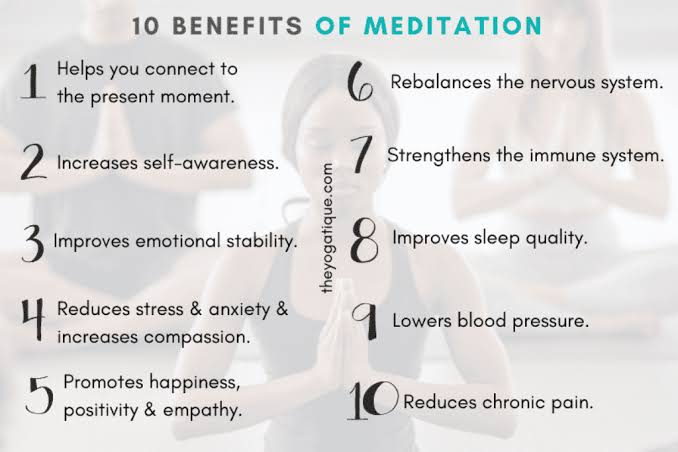
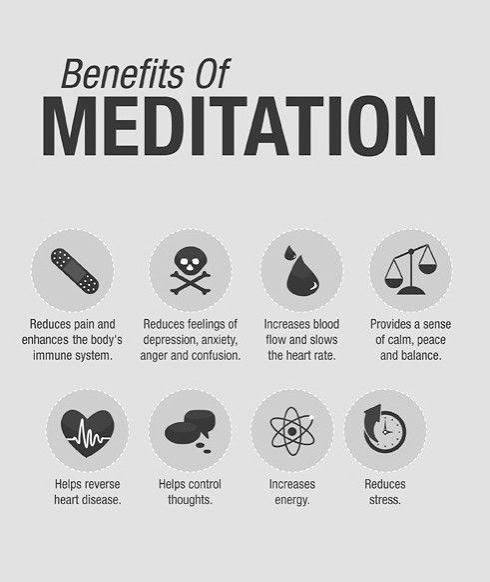
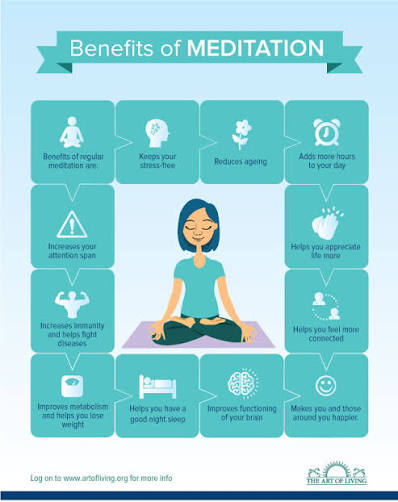
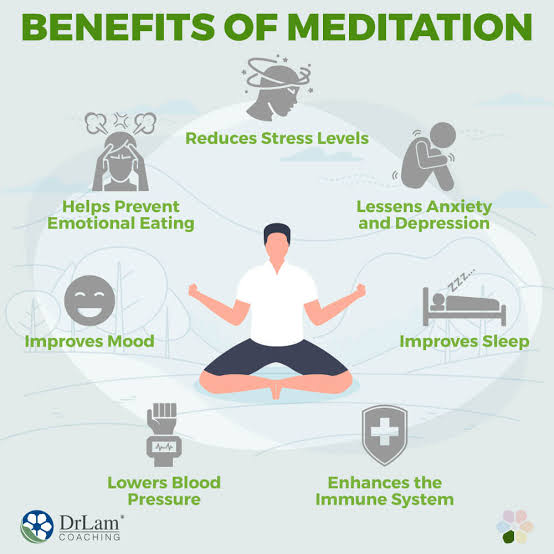
One of the greatest benefits of meditation is its ability to lower stress levels. Regular meditation helps calm the nervous system, reducing the body’s production of stress hormones and promoting a sense of peace.
Improves Focus and Concentration
Meditation trains the mind to remain attentive. This improved focus can enhance learning, productivity, and decision-making in both academic and professional settings.
Supports Emotional Well-Being
Practicing meditation regularly helps individuals become more aware of their emotions without reacting impulsively. This greater emotional awareness promotes patience, resilience, and healthier relationships.
Reduces Anxiety
Mindfulness and breathing techniques can help quiet racing thoughts and reduce symptoms of anxiety. Many people find that meditation helps them feel calmer during challenging situations.
Physical Health Benefits
Improves Sleep Quality
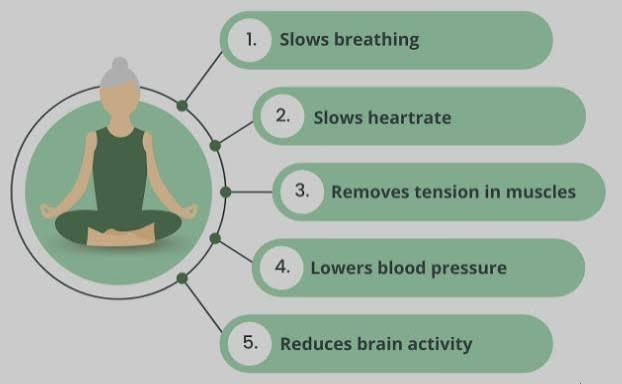
Meditation relaxes the body and mind, making it easier to fall asleep and enjoy deeper, more restful sleep.
Supports Heart Health
By reducing stress and promoting relaxation, meditation may contribute to healthier blood pressure levels and improved cardiovascular health.
Strengthens the Immune System
Lower stress levels and improved sleep can support the body’s natural immune defenses, helping individuals stay healthier.
Helps Manage Pain
Some forms of meditation encourage people to observe discomfort without becoming overwhelmed by it. This can complement medical treatment for chronic pain when guided by healthcare professionals.
Benefits for Students and Professionals
Students often use meditation to improve concentration, reduce exam stress, and strengthen memory. Professionals benefit from greater productivity, clearer thinking, improved communication, and better stress management in the workplace.
How to Start Meditating
Beginning a meditation practice is simple:
- Find a quiet and comfortable place.
- Sit in a relaxed position with your back straight.
- Close your eyes or soften your gaze.
- Focus on your breathing.
- If your mind wanders, gently bring your attention back to your breath.
- Start with 5–10 minutes each day and gradually increase the duration.
Consistency is more important than the length of each session.
Common Misconceptions
Some people believe meditation requires emptying the mind completely. In reality, meditation involves noticing thoughts without becoming attached to them. Others think meditation is only for spiritual purposes, but it is widely practiced for health, relaxation, and mental clarity regardless of religious beliefs.
Conclusion
Meditation is a simple yet powerful practice that offers numerous benefits for the mind and body. From reducing stress and anxiety to improving focus, sleep, emotional balance, and overall well-being, regular meditation can positively influence every aspect of life. By dedicating just a few minutes each day to mindfulness and relaxation, individuals can build healthier habits and develop greater inner peace.