Introduction
Smart devices have become an essential part of modern life. From smartphones and smartwatches to smart home appliances and voice assistants, these technologies have transformed the way people communicate, work, learn, and manage their daily routines. Connected through the Internet, smart devices offer convenience and efficiency, but they also bring challenges related to privacy, security, and overdependence. Understanding both the advantages and disadvantages of smart devices helps users make informed decisions and use technology responsibly.
What Are Smart Devices?
Smart devices are electronic gadgets that connect to the internet or other devices to perform intelligent functions. They can collect, process, and share data, making everyday tasks easier. Common examples include smartphones, smart TVs, fitness trackers, smart speakers, security cameras, and home automation systems.
Benefits of Smart Devices
1. Improved Communication
Smartphones and tablets allow people to stay connected through calls, messages, emails, and video conferencing. Families, friends, and businesses can communicate instantly regardless of distance.
2. Increased Productivity
Smart devices help users organize their schedules, set reminders, attend virtual meetings, and access important documents from anywhere. This flexibility has greatly improved workplace efficiency and remote working.
3. Better Healthcare Monitoring
Wearable devices such as smartwatches can monitor heart rate, sleep quality, blood oxygen levels, and physical activity. These features encourage healthier lifestyles and help individuals detect potential health concerns early.
4. Smart Home Convenience
Smart home technology enables users to control lighting, security systems, air conditioning, and appliances remotely. This saves time, improves comfort, and enhances home security.
5. Enhanced Learning Opportunities
Students can access online courses, educational apps, e-books, and virtual classrooms using smart devices. These tools make education more accessible and interactive.
6. Entertainment Anywhere
Streaming platforms, gaming applications, podcasts, and digital books provide endless entertainment options, allowing users to enjoy content whenever and wherever they choose.
Risks of Smart Devices
1. Privacy Concerns
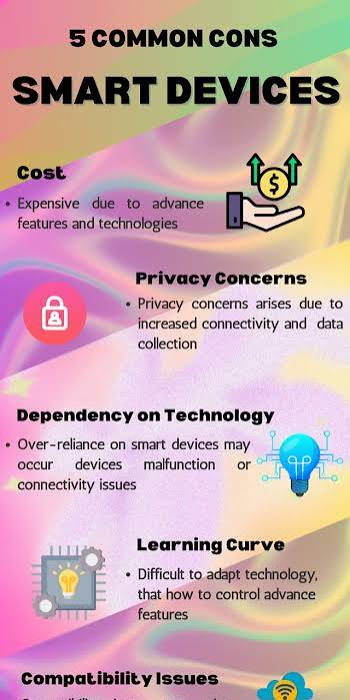
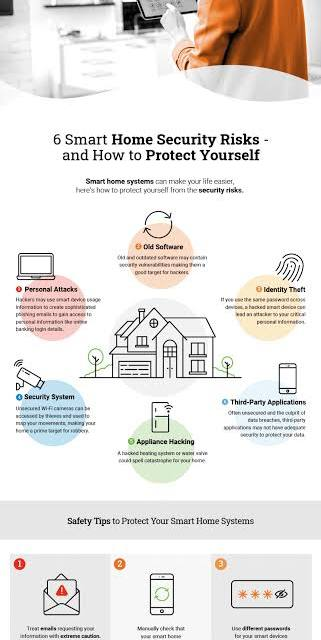
Many smart devices collect personal information, including location, browsing habits, and usage patterns. If this data is not properly protected, it may be misused or accessed without permission.
2. Cybersecurity Threats
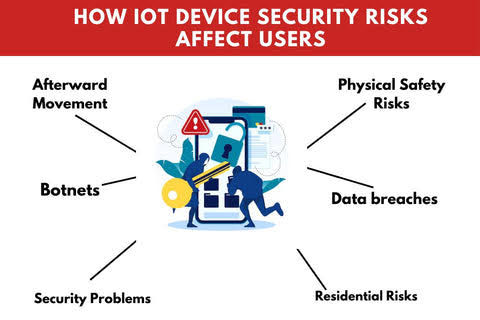
Hackers may exploit weak passwords or outdated software to gain access to smart devices. This can result in identity theft, financial loss, or unauthorized control of connected systems.
3. Screen Addiction
Excessive use of smartphones and tablets can reduce productivity, interfere with sleep, and negatively affect mental health. Many people struggle to maintain a healthy balance between digital and real-life activities.
4. Health Issues
Long periods of screen time may cause eye strain, poor posture, headaches, and reduced physical activity. These problems can become more serious if healthy habits are ignored.
5. Dependence on Technology
People increasingly rely on smart devices for navigation, communication, calculations, and even basic decision-making. Excessive dependence may reduce critical thinking and problem-solving skills.
6. Cost and Frequent Upgrades
Many smart devices are expensive, and manufacturers regularly release newer models. Keeping up with technology trends can become financially challenging for consumers.
How to Use Smart Devices Responsibly
Users can maximize the benefits while minimizing risks by:
- Creating strong and unique passwords.
- Regularly updating device software.
- Limiting screen time.
- Reviewing privacy settings carefully.
- Avoiding suspicious links and downloads.
- Taking regular breaks from digital devices.
- Backing up important data securely.
Conclusion
Smart devices have revolutionized the way people live, work, and communicate. They offer incredible convenience, improved healthcare, better education, and greater productivity. However, users must also remain aware of privacy concerns, cybersecurity risks, and the potential effects of excessive technology use. By using smart devices responsibly and maintaining healthy digital habits, individuals can enjoy their advantages while protecting their well-being and personal information.