Introduction
Information Technology (IT) has transformed higher education by changing the way students learn, teachers teach, and institutions manage academic activities. Universities and colleges worldwide use IT to improve the quality of education, enhance communication, support research, and provide flexible learning opportunities. The integration of technology into higher education has made learning more accessible, interactive, and efficient.
What is Information Technology?
Information Technology (IT) refers to the use of computers, software, networks, the internet, and digital devices to create, store, process, and share information. In higher education, IT supports teaching, learning, administration, research, and collaboration.
Uses of Information Technology in Higher Education
1. Online Learning
IT enables students to attend online classes through learning management systems and video conferencing platforms. This allows learners to study from anywhere at any time.
2. Digital Learning Resources
Students can access e-books, online journals, digital libraries, research databases, and educational websites. These resources provide up-to-date information and improve academic learning.
3. Virtual Classrooms
Virtual classrooms allow teachers and students to interact in real time using video, audio, chat, and screen-sharing tools. This makes distance education more effective.
4. Research and Innovation
Information technology supports research by providing access to online databases, digital archives, statistical software, and collaboration tools. Researchers can share findings and work with experts from around the world.
5. Communication and Collaboration
Email, messaging applications, discussion forums, and collaboration platforms improve communication between students, teachers, and university staff. Group projects become easier through shared online workspaces.
6. Smart Classrooms
Modern classrooms use projectors, interactive whiteboards, multimedia presentations, and digital simulations to make learning more engaging and interactive.
7. Student Information Management
Universities use IT systems to manage admissions, attendance, examinations, grades, fee payments, and student records efficiently.
8. Online Assessments
Technology enables online quizzes, assignments, examinations, and automated grading systems, making assessment faster and more transparent.
Benefits of Information Technology in Higher Education
- Provides flexible and accessible learning opportunities.
- Improves communication between teachers and students.
- Enhances research through access to global information.
- Saves time and reduces paperwork.
- Supports interactive and personalized learning.
- Develops students’ digital and technological skills.
- Encourages collaboration and teamwork.
- Increases administrative efficiency.
Challenges of Using IT in Higher Education
Despite its many advantages, IT also presents several challenges:
- Limited internet access in some areas.
- High cost of technological infrastructure.
- Cybersecurity and data privacy concerns.
- Digital divide among students.
- Technical problems and system failures.
- Need for continuous training of teachers and students.
Future of Information Technology in Higher Education
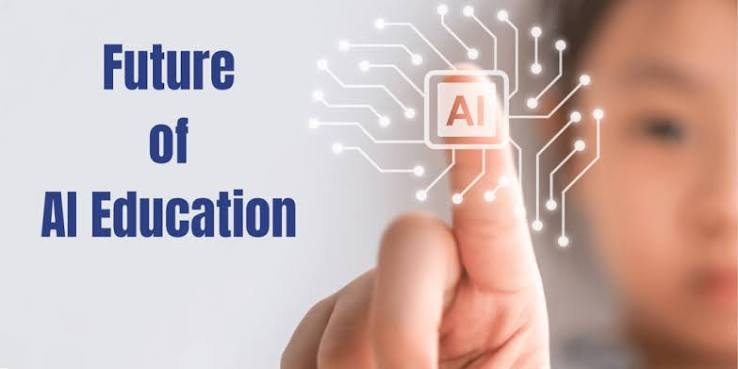
The future of IT in higher education is promising. Technologies such as Artificial Intelligence (AI), Virtual Reality (VR), Augmented Reality (AR), cloud computing, and learning analytics are making education more personalized and effective. Universities are increasingly adopting hybrid and online learning models to meet the changing needs of students.
References
- UNESCO. ICT in Education.
- Organisation for Economic Co-operation and Development. Digital Education Outlook.
- International Society for Technology in Education. Standards for Education Technology.
