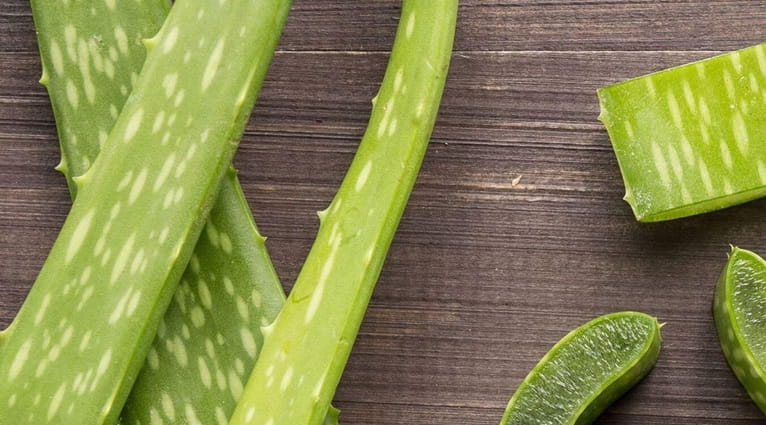
Aloe vera has been called the “plant of immortality” since ancient Egypt, and modern science is catching up with the legend. The clear gel inside its thick green leaves is packed with vitamins, enzymes, and minerals that make it one of the most versatile natural remedies for both skin and hair. This complete guide covers the proven benefits of aloe vera, how to use it safely, and what the research actually says.
The benefits of aloe vera come from its unique chemistry. The gel contains vitamins A, C, and E, several B vitamins, minerals like zinc and magnesium, plant sterols, and an enzyme called bradykinase that helps reduce inflammation. A well-known review published in the Indian Journal of Dermatology described aloe vera as a short, stemless plant whose mucilaginous gel has demonstrated wound-healing, anti-inflammatory, and moisturizing effects.
Aloe Vera Benefits for Skin
1. Soothes Sunburn and Minor Burns
Aloe vera’s most famous use is treating sunburn. Multiple studies and a systematic review published in the journal Burns found that aloe vera gel shortens healing time for first- and second-degree burns compared to conventional treatments. The U.S. National Center for Complementary and Integrative Health (NCCIH) notes that aloe vera is commonly applied to the skin for sunburn and other mild burns.
For best results, apply pure aloe gel to the burn as soon as possible and reapply a few times a day while the skin heals.
2. Deeply Moisturizes Without Greasiness
Aloe gel is about 99% water, which makes it an excellent light moisturizer, especially for oily or combination skin. Unlike heavy creams, it absorbs quickly and does not clog pores. The mucopolysaccharides in the gel help the skin hold on to moisture.
According to the Cleveland Clinic, aloe vera can be used as a daily moisturizer, and it is a common ingredient in products for sensitive skin because it rarely causes irritation.
3. Calms Acne and Reduces Inflammation
The anti-inflammatory compounds in aloe vera can calm red, irritated acne spots. Its mild antibacterial properties also help keep breakouts cleaner while they heal. A study combining aloe vera with the acne treatment tretinoin, published in a peer-reviewed dermatology journal, found the combination improved results compared to tretinoin alone.
Apply a thin layer of pure aloe gel to clean skin as a spot treatment or light all-over layer, morning and night.
4. Helps Fade Dark Spots
Aloe vera contains a compound called aloesin that may help lighten dark spots and hyperpigmentation. Research suggests aloesin can slow down melanin production, the pigment responsible for dark patches. While it will not erase deep scars overnight, consistent use over weeks can gradually even out skin tone.
5. Soothes Eczema and Skin Irritation
For itchy, inflamed skin conditions like eczema or mild rashes, aloe vera’s cooling and anti-inflammatory action brings real relief. The Cleveland Clinic includes aloe vera among gentle home options people use to calm flare-ups. If you have severe eczema, though, aloe should complement, not replace, your prescribed treatment.
Aloe Vera Benefits for Hair
6. Calms an Itchy, Flaky Scalp
Aloe vera’s anti-inflammatory and antifungal properties make it helpful for dandruff and itchy scalps. Massage fresh aloe gel into the scalp, leave it for 20 to 30 minutes, then wash with a gentle shampoo. Many people notice less flaking after a few weekly treatments.
7. Strengthens and Conditions Strands
The vitamins and amino acids in aloe vera coat the hair shaft, smoothing frizz and adding shine. It works as a light leave-in conditioner: apply a small amount of gel to damp hair ends after washing, avoiding the roots so hair does not look flat.
8. May Support Healthy Hair Growth
Aloe vera contains proteolytic enzymes that help clear dead skin cells from the scalp, creating a healthier environment for hair follicles. While there is no strong clinical proof that aloe vera grows hair on its own, traditional use and early research suggest it supports overall scalp health, which matters for growth.
How to Use Fresh Aloe Vera Safely
Cut a mature outer leaf from the plant, slice it open, and scoop out the clear inner gel with a spoon. Avoid the yellow latex just under the skin — it can irritate skin and should not be eaten. Fresh gel keeps in the fridge for about a week, or you can freeze it in ice cube trays for longer storage.
Always do a patch test first: apply a small amount to your inner forearm and wait 24 hours. True allergies to aloe vera are rare, but they exist. If you buy commercial gel, choose products labeled “pure” or “99% aloe” with as few added ingredients as possible.
From calming sunburn to conditioning hair, the benefits of aloe vera are backed by both centuries of traditional use and a growing body of scientific research. Keep a plant on your windowsill, use the gel fresh when you can, and give it a few weeks of consistent use — natural remedies reward patience.
#AloeVera #SkinCare #HairCare #NaturalRemedies #BeautyTips #SkincareRoutine #HomeRemedies
