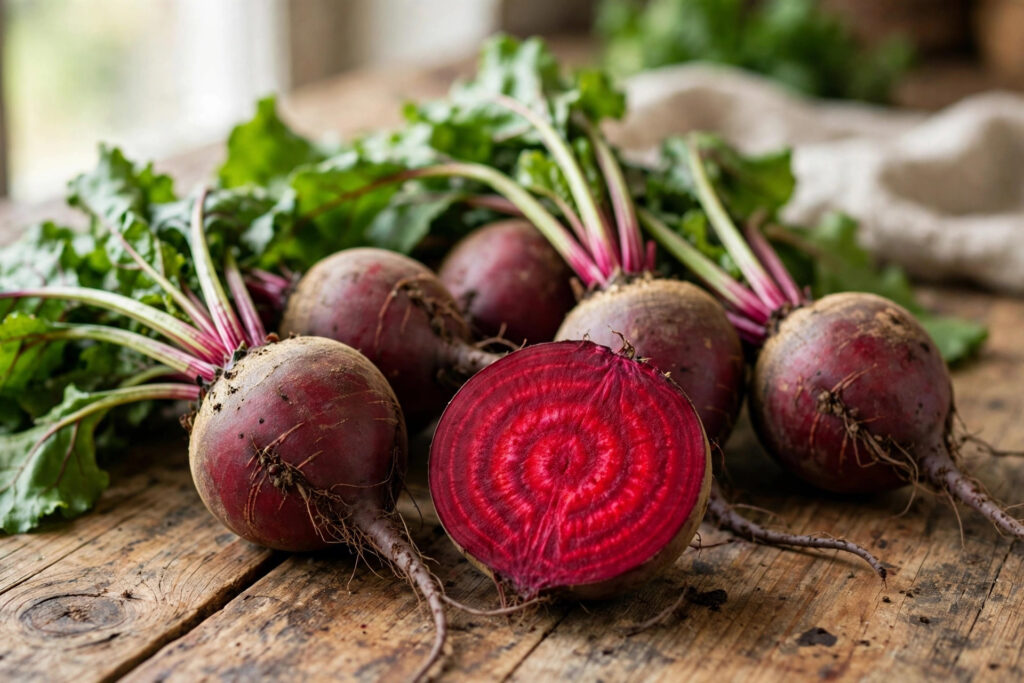
Beets are hard to ignore. Their deep red color stains everything they touch, and their earthy, slightly sweet flavor divides opinion. But behind that bold color is one of the most nutrient-packed vegetables you can eat. Research in recent years has linked daily beet consumption to better heart health, lower blood pressure, and improved exercise performance.
According to the United States Department of Agriculture (USDA), one cup of cooked beets contains about 60 calories, 3.5 grams of fiber, folate, manganese, potassium, and vitamin C. Beets are also rich in betalains, the pigments that give them their red color and act as powerful antioxidants in the body.
Benefits of Eating Beets Every Day for Heart Health
The most studied benefit of beets is heart health. Beets are naturally high in dietary nitrates, which the body converts into nitric oxide. Nitric oxide helps blood vessels relax and widen, which improves blood flow and lowers blood pressure.
A review published in the journal Nutrients found that beetroot juice can reduce systolic blood pressure by several points within a few hours of drinking it. The American Heart Association has noted that nitrate-rich vegetables, including beets, may support healthy blood pressure as part of an overall heart-friendly diet. Eating beets regularly, rather than once in a while, is what produces the most consistent effect.
Beets and Blood Pressure
High blood pressure affects nearly half of all adults, according to the Centers for Disease Control and Prevention (CDC). Diet is one of the most effective ways to manage it, and beets are a useful addition. Their combination of nitrates, potassium, and folate all support healthy blood pressure levels, and the effect appears within a few hours of eating them.
Improved Exercise Performance
Athletes have taken notice of beets for good reason. Research published in the Journal of the Academy of Nutrition and Dietetics found that beetroot juice improved endurance and reduced the oxygen cost of exercise. In simple terms, the same workout felt easier after drinking beet juice.
The nitrates in beets help muscles use oxygen more efficiently. Studies have tested beet juice in runners, cyclists, and swimmers, with many showing small but real improvements in time and stamina.
Beets for Brain and Liver Health
Better blood flow does not only help the heart and muscles. It also helps the brain. A study from Wake Forest University found that older adults who drank beet juice had increased blood flow to the frontal lobe, the part of the brain involved in decision-making and memory. Researchers are still studying this, but the early results are promising.
Beets also support liver health. They contain betaine, a compound that helps the liver process fats and may reduce fat buildup in the liver. Animal studies suggest betaine protects liver cells from damage, though more human research is needed. Eating beets as part of a balanced diet is a simple way to support both organs.
Digestion, Immunity, and Inflammation
The fiber in beets feeds healthy gut bacteria and supports regular digestion. One cup of beets provides about 14 percent of your daily fiber needs.
Betalains, the pigments in beets, have anti-inflammatory effects. Chronic inflammation is linked to heart disease, diabetes, and other conditions, so foods that help control it are valuable. Beets also provide vitamin C and folate, which support the immune system and healthy cell growth.
Are There Any Downsides?
Beets are safe for most people, but there are two things to know. First, beets can turn your urine or stool pink or red, a harmless effect called beeturia. It can look alarming, but it is normal and fades within a day or two.
Second, beets contain oxalates, which can contribute to kidney stones in people who are prone to them. If you have a history of calcium oxalate kidney stones, talk to your doctor about how many beets are safe for you. People taking blood pressure medicine should also check with their doctor before drinking large amounts of beet juice daily, since the combined effect could lower blood pressure too much.
Easy Ways to Eat Beets Daily
Roasted beets with olive oil and a little salt are a simple side dish. Grated raw beets add color and crunch to salads. Beet soup, known as borscht, is a classic comfort food. You can also blend cooked beets into smoothies with berries and yogurt, where their sweetness works well.
If you prefer juice, a small glass of beet juice in the morning is enough. Mixing beet juice with apple or carrot juice softens the earthy taste.
Conclusion
Eating beets every day is a simple habit with strong science behind it. Their nitrates support heart health and healthy blood pressure, their antioxidants fight inflammation, and their fiber supports digestion. They may even give your workouts and your brain a small boost. Add them to your meals in whatever form you enjoy, and let this colorful vegetable work for your health.
#Beets #HealthyEating #HeartHealth #BloodPressure #Nutrition #Vegetables #Superfood
