There is a stubborn myth on every campus: eating healthy costs a fortune, so students survive on instant noodles and energy drinks until graduation. The truth is less dramatic. With a little planning, a student can eat a genuinely nutritious diet for less than the cost of daily takeout — sometimes for less than the cost of a single restaurant meal per day. This guide shows you how, with no expensive superfoods and no complicated recipes.
Why Students Struggle to Eat Well
It is not laziness. Student life has three structural enemies of healthy eating: tight budgets, limited kitchen access, and unpredictable schedules. A dorm room might have only a mini-fridge and a microwave, while a shared flat kitchen might have four roommates fighting over one stove. Add late-night study sessions and the temptation of cheap fast food, and nutrition falls apart. The fix is not willpower — it is a system that makes the healthy choice the easy and cheap one.
Build Your Plate the Cheap Way
Nutritionists recommend a simple formula: half the plate vegetables and fruits, a quarter protein, and a quarter whole grains. Every one of these can be bought cheaply if you know where to look.
Stock a budget pantry
A one-time investment in shelf-stable staples pays for itself within weeks. Keep rice, oats, lentils, dried or canned beans, chickpeas, pasta, and a bottle of cooking oil on hand. Canned tuna or sardines are among the cheapest protein sources available. These foods cost very little per serving, last for months, and form the base of dozens of meals.
Shop produce like a strategist
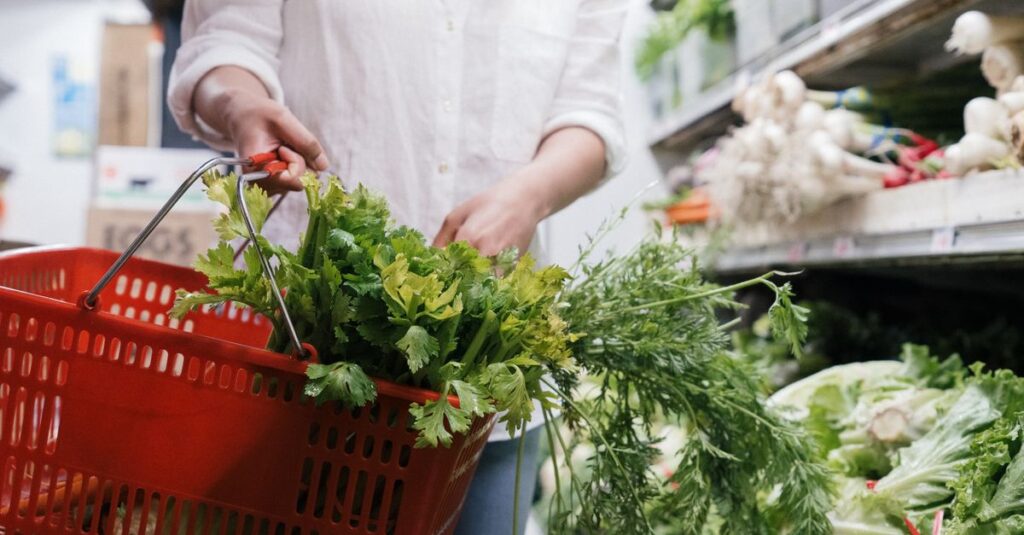
Buy fruits and vegetables that are in season — they are cheaper and taste better. Frozen fruits and vegetables are just as nutritious as fresh ones and often cost far less, with the bonus that they never rot in your fridge. Canned vegetables are fine too; just choose low-sodium versions and rinse them before cooking. Whole produce is almost always cheaper than pre-cut, so buy a whole cabbage instead of a bag of salad mix.
Five Rules That Save Money and Health
- Plan before you shop. Spend 15 minutes each week deciding on meals and writing a grocery list. The USDA’s official guidance boils down to three words: plan, compare, prepare. A list kills impulse buying, which is where most food budgets die.
- Cook in batches. Make a large pot of lentil soup, chili, or curry on Sunday and eat it for several days. Cooking one ingredient in bulk — say, a pot of beans — and pairing it with different sides keeps things from feeling repetitive.
- Embrace plant protein. Lentils, beans, chickpeas, and eggs deliver excellent nutrition at a fraction of the cost of meat. Even replacing meat with lentils two or three days a week makes a visible difference in your budget.
- Never shop hungry. Shopping on an empty stomach reliably leads to a cart full of snacks and ready meals. Eat something before you go, and compare unit prices on the shelf to find the real bargains.
- Waste nothing. Plan meals around what you already own, use perishable items first, and turn leftovers into the next day’s lunch. Throwing away food is throwing away money.
A Sample Week of Cheap, Healthy Meals
Here is what a realistic week can look like: overnight oats with banana for breakfast; lentil soup with bread for lunch; rice, beans, and frozen mixed vegetables for dinner. Rotate the spices — cumin one day, paprika the next — and the same cheap ingredients feel like different meals. Stir-fries, soups, and stews are ideal budget formats because they “stretch” small amounts of expensive ingredients across many portions.
Drink Smart
Beverages are a hidden budget killer. Sugary drinks and daily café coffees can quietly cost more than your entire grocery bill. Water is free and is the best default. Unsweetened tea and low-fat milk are cheap alternatives. Cutting out just one daily purchased drink can save enough each month to fund your whole fruit and vegetable budget.
References
- USDA
- University of Maryland Medical System
- Harvard T.H. Chan School of Public Health — The Nutrition Source
#Nutrition #HealthyEating #StudentBudget #Wellness #Food
