ntroduction
Football is the world’s most popular sport, enjoyed by billions of people across every continent. At the center of global football stands FIFA (Fédération Internationale de Football Association), the organization responsible for promoting, organizing, and developing the game internationally. Since its establishment in 1904, FIFA has played a vital role in bringing nations together through football while promoting fair play, teamwork, and sportsmanship.
What Is FIFA?
FIFA is the international governing body of association football, futsal, and beach soccer. It is responsible for creating the rules of international competitions, organizing major tournaments, and supporting football development across the globe.
Today, FIFA has more than 200 member associations, making it one of the largest international sports organizations in the world. It works closely with continental football confederations to ensure the growth and success of the sport.
History of FIFA
FIFA was founded on 21 May 1904 in Paris, France, by representatives from seven European countries. The organization was created to establish common rules for international football and organize competitions between national teams.
Over the decades, FIFA expanded rapidly as countries from every continent joined. The FIFA World Cup, introduced in 1930, became the organization’s most famous tournament and has grown into one of the biggest sporting events on Earth.
Objectives of FIFA
FIFA’s main goals include:
- Promoting football worldwide.
- Organizing international competitions.
- Developing football in every country.
- Encouraging youth participation.
- Supporting women’s football.
- Ensuring fair play and integrity.
- Fighting discrimination and racism in football.
- Investing in football infrastructure and education.
These objectives help strengthen football at both professional and grassroots levels.
Major FIFA Competitions
1. FIFA World Cup
The FIFA World Cup is the most prestigious football tournament in the world. Held every four years, it features the best national teams competing for the championship. Millions of fans watch the tournament, making it one of the largest sporting events globally.
2. FIFA Women’s World Cup
The Women’s World Cup showcases the world’s top female football teams and has played a major role in increasing the popularity of women’s football.
3. FIFA U-17 and U-20 World Cups
These youth tournaments help young players gain international experience and often introduce future football stars.
4. FIFA Club World Cup
This competition brings together champion clubs from different continents to determine the world’s best football club.
5. FIFA Futsal World Cup
This tournament promotes futsal, an exciting indoor version of football played with smaller teams and faster gameplay.
FIFA’s Role in Football Development
FIFA invests millions of dollars each year in football development programs. These initiatives include:
- Building football stadiums and training centers.
- Supporting grassroots football.
- Training coaches and referees.
- Organizing youth competitions.
- Promoting football in developing countries.
These efforts help improve the quality of football worldwide.
Technology in FIFA
Modern football has embraced technology to improve fairness and decision-making.
Video Assistant Referee (VAR)
VAR helps referees review important match incidents, including goals, penalties, red cards, and mistaken identities.
Goal-Line Technology
This technology determines whether the ball has completely crossed the goal line, ensuring accurate decisions.
Semi-Automated Offside Technology
This advanced system assists referees in making quicker and more accurate offside decisions during matches.
FIFA and Women’s Football
FIFA has significantly increased its support for women’s football by expanding international tournaments, investing in youth programs, and encouraging equal opportunities. The Women’s World Cup continues to grow in popularity, inspiring millions of young girls to pursue football professionally.
Challenges Faced by FIFA
Despite its achievements, FIFA faces several challenges:
- Maintaining transparency and good governance.
- Combating corruption.
- Ensuring fair competition.
- Addressing racism and discrimination.
- Protecting player welfare.
- Managing the increasing commercial nature of football.
Addressing these issues is essential for maintaining trust among players, fans, and member associations.
The Future of FIFA
The future of FIFA looks exciting. Advances in technology, growing investment in women’s football, expanded youth development programs, and increasing global participation will continue to strengthen the sport. Future tournaments are expected to feature greater innovation, improved fan experiences, and increased opportunities for emerging football nations.
Conclusion
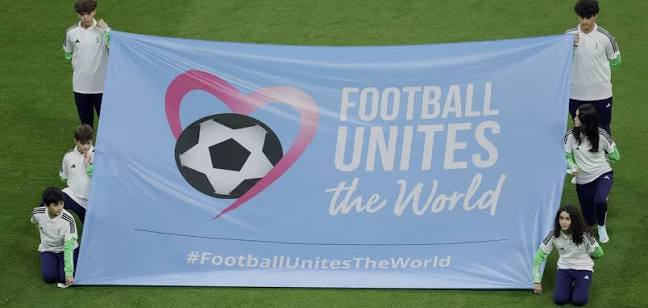
FIFA is much more than an organization that manages football competitions. It serves as a global leader in promoting the sport, encouraging unity among nations, and inspiring millions of players and fans around the world. Through its tournaments, development programs, and commitment to innovation, FIFA continues to shape the future of football and strengthen its position as the world’s most beloved sport.