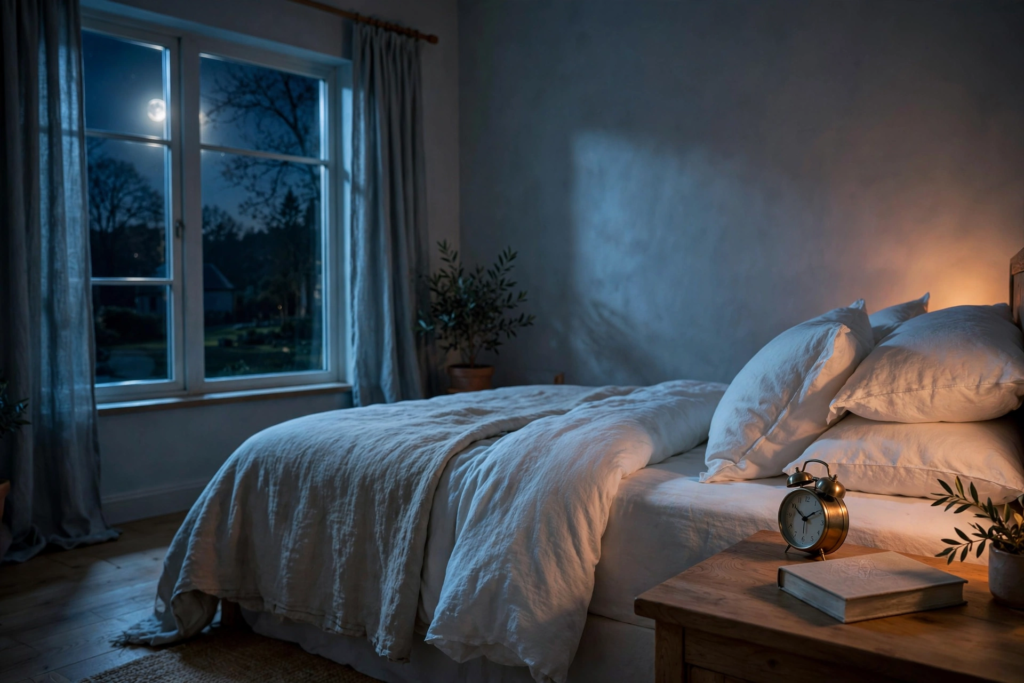
If you've been tossing and turning, reaching for your phone at 3 a.m., or waking up groggy despite a full night in bed, you're in good company. Sleep problems affect a huge share of adults, and modern life — screens, stress, irregular schedules — keeps chipping away at our rest. The good news? Sleep science has given us clear, practical answers. Here are evidence-backed strategies that genuinely help you fall asleep faster and stay asleep longer.
Keep a Consistent Schedule
Your body runs on a circadian rhythm — an internal clock that regulates sleepiness and wakefulness over roughly 24 hours. The single most powerful thing you can do for your sleep is to wake up at the same time every day, weekends included. The Sleep Foundation notes that consistency trains your body's internal clock, making it easier to fall asleep at night and wake up refreshed. A regular bedtime matters too, but researchers emphasize that a fixed wake time is the anchor.
Get Morning Light
Light is the strongest cue for your circadian clock. Exposure to bright light within the first hour after waking — even 10–15 minutes outdoors or near a bright window — helps suppress melatonin in the morning and times its release for the evening. Conversely, dimming lights in the evening signals to your brain that bedtime is approaching. A landmark understanding of this light–melatonin relationship comes from work summarized by the National Sleep Foundation and research published in journals such as Sleep and JAMA Neurology.
Cut the Late-Day Stimulants
Caffeine has a half-life of roughly 5–6 hours, meaning a 4 p.m. coffee is still partly active at bedtime. Studies have found that caffeine consumed even six hours before bed can significantly reduce total sleep time. Set a caffeine curfew around midday or early afternoon. Alcohol deserves a mention too: while it can make you drowsy, research consistently shows it fragments sleep and suppresses REM sleep in the second half of the night.
Make Your Bedroom a Sleep Cave
Your sleep environment matters more than most people think. The Sleep Foundation recommends:
- Cool: around 18°C (65°F) works for most people, since core body temperature needs to drop for sleep onset.
- Dark: use blackout curtains or a sleep mask; even dim light exposure during sleep is linked to lighter, more fragmented rest.
- Quiet: white noise or earplugs can mask disruptive sounds.
The 30-Minute Screen Wind-Down
You don't need to abandon your phone forever, but the hour before bed is the wrong time for stressful news, work email, or endless scrolling. Blue-enriched light from screens can delay melatonin release, and — just as importantly — engaging content keeps your mind aroused. Replace the last 30–60 minutes with a wind-down ritual: reading a book, gentle stretching, a warm shower, or a few minutes of slow breathing.
Exercise — But Time It Right
Regular physical activity is one of the most reliable sleep improvers, associated in studies with faster sleep onset and deeper sleep. The caveat: vigorous exercise very late in the evening can keep some people wired. If you're a night exerciser, finish intense workouts at least 1–2 hours before bed, and notice how your own sleep responds.
Try Cognitive Behavioral Therapy for Insomnia (CBT-I)
If sleep problems persist for weeks, the first-line treatment recommended by the American Academy of Sleep Medicine isn't medication — it's CBT-I, a structured program that retrains the habits and thoughts that sustain insomnia. Multiple randomized trials show CBT-I produces large, lasting improvements, and structured digital programs have made it widely accessible.
What About Naps?
Short naps (10–20 minutes) before mid-afternoon can be refreshing and don't typically harm nighttime sleep. Long or late naps, however, eat into your "sleep pressure" and can delay bedtime. If you're rebuilding your sleep, skip the long afternoon nap.
The Bottom Line
Better sleep isn't about one magic trick — it's a stack of small habits: consistent timing, morning light, a caffeine curfew, a cool dark room, and a calm wind-down. Pick two or three to start this week and track how you feel. Small, consistent changes compound into genuinely deeper rest.
References
- Sleep Foundation — "Sleep Hygiene: What It Is, Why It Matters, & How to Revamp It" (sleepfoundation.org)
- National Sleep Foundation — sleep environment and circadian rhythm guidance (thensf.org)
- American Academy of Sleep Medicine — Clinical Practice Guideline for Chronic Insomnia in Adults (2016), recommending CBT-I as first-line treatment
- Drake C. et al., "Caffeine Effects on Sleep Taken 0, 3, or 6 Hours before Going to Bed," *Journal of Clinical Sleep Medicine*, 2013
- Ebrahim I.O. et al., "Alcohol and Sleep I: Effects on Normal Sleep," *Alcoholism: Clinical and Experimental Research*, 2013
#SleepTips #BetterSleep #SleepScience #SleepHygiene #Wellness
