Introduction
The digital economy has transformed the way people work, communicate, and learn. Technological advancements, automation, and artificial intelligence are continuously changing industries, making it essential for individuals to update their skills throughout their lives. Lifelong learning is no longer just a personal choice—it has become a necessity for career growth, adaptability, and long-term success.
What Is Lifelong Learning?
Lifelong learning is the continuous pursuit of knowledge and skills throughout a person’s life. It includes formal education, online courses, professional certifications, workplace training, and self-directed learning through books, videos, and practical experience. The goal is to stay informed, improve abilities, and remain competitive in an ever-changing world.
Why Lifelong Learning Matters
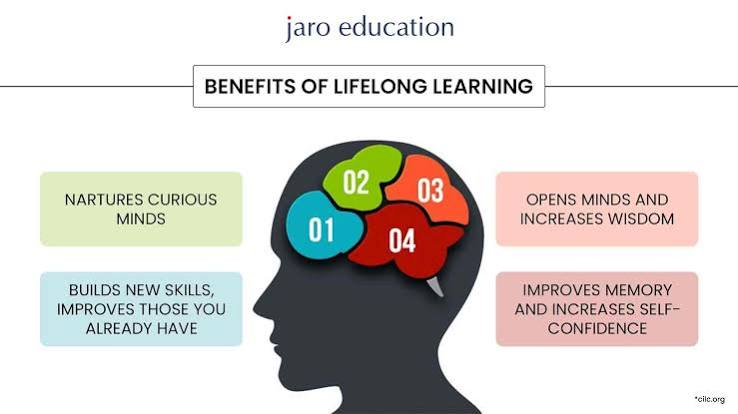
The rapid pace of technological innovation means that many jobs are evolving or disappearing, while new career opportunities are emerging. Employees who continue learning can adapt to these changes more effectively. Lifelong learning also improves confidence, problem-solving abilities, and creativity, helping individuals contribute more effectively in the workplace.
The Role of Technology
Technology has made learning more accessible than ever before. Online learning platforms, virtual classrooms, mobile apps, and AI-powered educational tools allow people to study anytime and anywhere. Interactive courses, webinars, podcasts, and digital libraries provide flexible learning opportunities for students, professionals, and lifelong learners.
Benefits for Career Growth
Continuous learning helps professionals remain relevant in their industries. Learning new technologies, leadership skills, or specialized knowledge can lead to promotions, higher salaries, and better job opportunities. Employers increasingly value workers who demonstrate adaptability, curiosity, and a commitment to personal development.
Challenges to Lifelong Learning
Despite its benefits, lifelong learning can be challenging due to limited time, financial constraints, and balancing work with personal responsibilities. However, the availability of affordable online resources and flexible learning schedules has made continuous education more achievable than ever.
Building a Lifelong Learning Habit
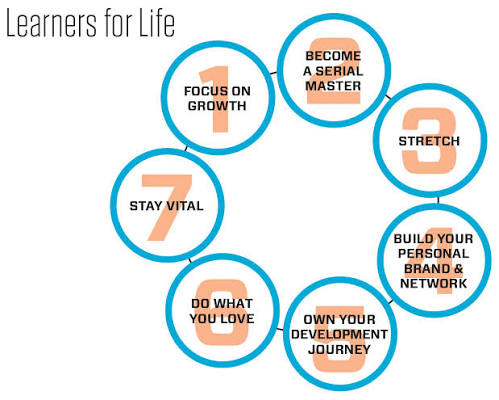
Individuals can develop lifelong learning habits by setting clear goals, dedicating regular time for study, exploring new subjects, participating in online communities, and applying newly acquired knowledge in real-life situations. Curiosity and consistency are the keys to long-term learning success.
Conclusion
In today’s digital economy, lifelong learning is one of the most valuable investments anyone can make. It enables individuals to adapt to technological changes, improve their careers, and continue growing both personally and professionally. Those who embrace continuous learning will be better prepared for the opportunities and challenges of the future.
Keywords: Lifelong Learning, Digital Economy, Online Education, Professional Development, Future Skills, Career Growth, Continuous Learning