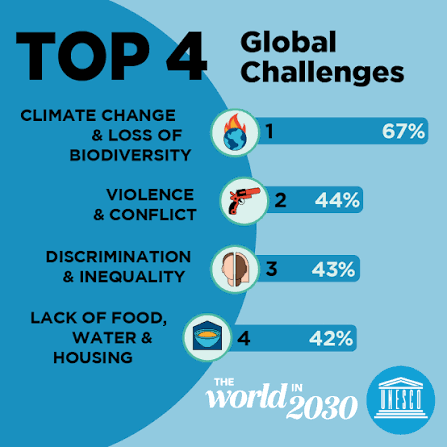
The world is changing rapidly, bringing remarkable progress alongside significant challenges. While advances in technology, medicine, and communication have improved millions of lives, humanity continues to face complex problems that require urgent attention. Governments, organizations, businesses, and individuals all have a role in addressing these global issues and creating a better future.
1. Climate Change
Climate change is among the most serious challenges of our time. Rising global temperatures, melting glaciers, stronger storms, prolonged droughts, and rising sea levels threaten ecosystems and communities worldwide. Reducing carbon emissions, expanding renewable energy, and protecting forests are essential steps toward protecting the planet.
2. Poverty and Economic Inequality
Millions of people still live without adequate food, clean water, healthcare, and education. Economic inequality continues to widen in many regions, limiting opportunities for millions. Sustainable economic growth, quality education, and fair employment opportunities are vital for reducing poverty.
3. Global Health Challenges
Although medical science has made tremendous progress, infectious diseases, chronic illnesses, and unequal access to healthcare remain major concerns. Preparing for future pandemics and improving healthcare systems are critical priorities for governments and international organizations.
4. Armed Conflicts and Political Instability
Wars and political unrest continue to force millions of people from their homes, damage economies, and create humanitarian crises. Promoting diplomacy, peaceful negotiations, and international cooperation is essential for achieving lasting peace.
5. Environmental Degradation
Deforestation, pollution, biodiversity loss, and excessive waste are damaging natural ecosystems. Protecting wildlife, reducing plastic pollution, conserving natural resources, and encouraging sustainable practices can help restore environmental balance.
6. Cybersecurity and Digital Threats
As the world becomes increasingly connected, cyberattacks, online fraud, and data breaches pose growing risks to individuals, businesses, and governments. Strong cybersecurity measures, digital literacy, and international cooperation are needed to protect digital infrastructure.
7. Food and Water Security
Population growth and changing climate conditions place increasing pressure on food production and freshwater supplies. Sustainable agriculture, efficient water management, and innovative farming technologies are essential to ensure future food security.
8. Education Gaps
Access to quality education remains unequal in many parts of the world. Millions of children and adults still lack educational opportunities due to poverty, conflict, or limited resources. Expanding access to education empowers individuals and supports long-term economic development.
9. Rapid Technological Change
Artificial intelligence, automation, and digital transformation are reshaping industries and workplaces. While these technologies create new opportunities, they also require workers to develop new skills and adapt to changing job markets.
10. Building Global Unity
Many global problems cannot be solved by one country alone. International cooperation, respect for human rights, scientific collaboration, and cultural understanding are necessary to address today’s interconnected challenges.
Solutions for a Better Future
Addressing these challenges requires collective action through:
- Investing in education and innovation.
- Promoting sustainable development.
- Supporting peaceful diplomacy.
- Protecting natural resources.
- Strengthening healthcare systems.
- Encouraging responsible use of technology.
- Empowering communities and young leaders.
Conclusion
The challenges facing the world today are significant, but they are not impossible to overcome. Through cooperation, innovation, education, and responsible leadership, humanity can build a future that is more peaceful, equitable, and sustainable. Every individual has the power to contribute through informed choices, community involvement, and a commitment to protecting our shared world.