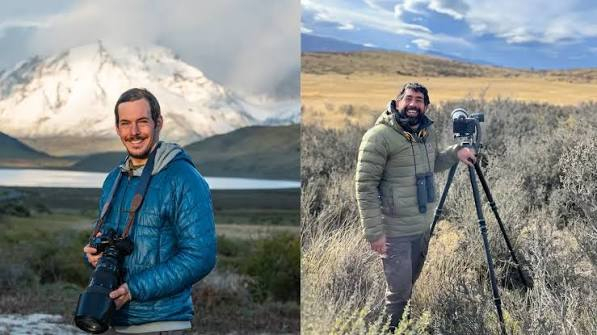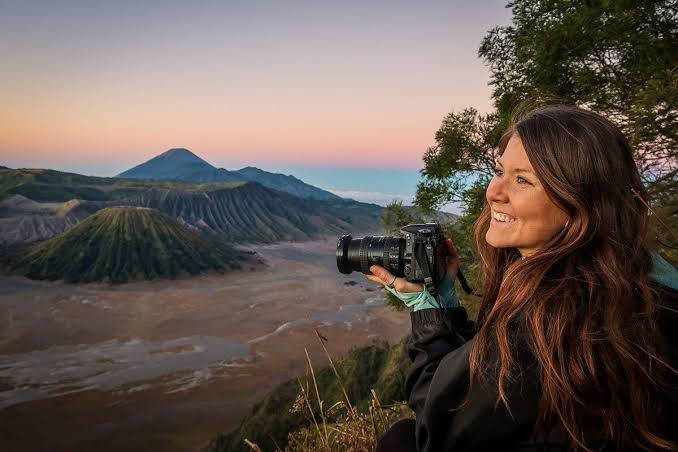
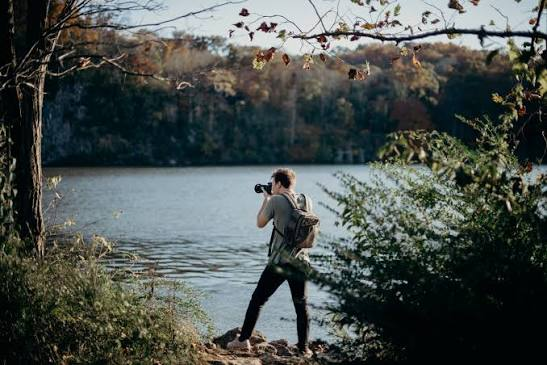
Nature photography is one of the best ways to preserve memories of your travels while capturing the beauty of the natural world. Whether you’re exploring majestic mountains, peaceful forests, crystal-clear lakes, or colorful sunsets, every destination offers unique opportunities for stunning photographs. You don’t need expensive equipment to take great pictures—creativity, patience, and an eye for detail are often the most important tools.
Why Nature Photography Matters
Nature photography allows travelers to document the incredible diversity of our planet. Beautiful photographs inspire others to explore the outdoors, appreciate wildlife, and support environmental conservation. Every image tells a story about a place, its landscape, and the unforgettable experiences of the journey.
1. Plan Your Photography Trip
Before visiting a destination, research its landscapes, weather, and best viewpoints. Knowing when flowers bloom, animals are most active, or seasonal colors appear can help you capture more impressive photographs.
2. Shoot During the Golden Hour
The best natural lighting usually occurs shortly after sunrise and before sunset. During these “golden hours,” sunlight is softer and warmer, creating vibrant colors, long shadows, and dramatic landscapes that enhance every photograph.
3. Focus on Composition
A well-composed image is often more powerful than one taken with expensive equipment. Try these techniques:
- Follow the Rule of Thirds by placing your subject slightly off-center.
- Use leading lines such as rivers, trails, or fences to guide the viewer’s eye.
- Include foreground elements like flowers or rocks to add depth.
- Frame your subject naturally using trees or branches.
Thoughtful composition makes photographs more engaging.
4. Capture Different Perspectives
Instead of always shooting from eye level, experiment with different angles. Crouch low to photograph flowers, climb to higher viewpoints for panoramic landscapes, or capture reflections in lakes and rivers. Unique perspectives create memorable images.
5. Be Patient with Wildlife Photography
Wild animals rarely stay still for long. Observe quietly, avoid sudden movements, and maintain a safe distance. Patience often rewards photographers with natural behaviors that create extraordinary images.
6. Keep Your Camera Steady
Sharp photographs require stability. Use a tripod whenever possible, especially for waterfalls, sunsets, or low-light scenes. If you don’t have a tripod, rest your camera on a rock, railing, or tree to reduce camera shake.
7. Include People for Scale
Adding a person to a landscape photograph helps viewers understand the size of mountains, waterfalls, forests, or canyons. It also adds a sense of adventure and storytelling to your images.
8. Protect Your Equipment
Nature often presents challenging conditions. Carry waterproof bags, lens-cleaning cloths, and extra batteries. Protect your camera from rain, dust, sand, and extreme temperatures to ensure it performs well throughout your journey.
9. Edit Photos Naturally
Photo editing can improve brightness, contrast, and color, but avoid excessive editing that makes images look unrealistic. The goal is to enhance the natural beauty of the scene while maintaining authenticity.
10. Respect Nature While Photographing
Responsible photography is essential for protecting the environment.
Always remember to:
- Stay on designated trails.
- Never disturb wildlife.
- Avoid damaging plants or habitats.
- Leave no litter behind.
- Follow local conservation rules.
Great photographs should never come at the expense of nature.
Benefits of Nature Photography
Nature photography offers many personal rewards, including:
- Encouraging mindfulness and observation.
- Preserving unforgettable travel memories.
- Improving creativity and artistic skills.
- Promoting environmental awareness.
- Inspiring others to explore and protect nature.
Conclusion
Nature photography is more than simply taking pictures—it’s about capturing moments that reflect the beauty, diversity, and wonder of the natural world. With careful planning, patience, creative composition, and respect for the environment, every traveler can create meaningful photographs that tell powerful stories. Whether using a professional camera or a smartphone, the most memorable images often come from seeing nature with curiosity and appreciation.