Introduction
The Sustainable Development Goals (SDGs) are a global blueprint for achieving a better and more sustainable future for all. Adopted by the United Nations in 2015, the SDGs aim to address global challenges such as poverty, inequality, climate change, environmental degradation, peace, and justice by 2030. These goals provide a shared framework for governments, organizations, and individuals to promote sustainable development worldwide.
What are the Sustainable Development Goals?
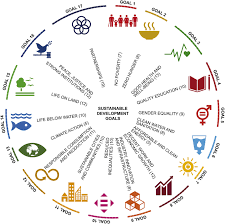
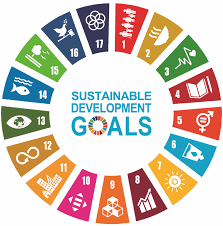
The SDGs consist of 17 interconnected goals designed to improve social, economic, and environmental conditions across the globe. They recognize that ending poverty and protecting the planet must go hand in hand with ensuring prosperity and peace.
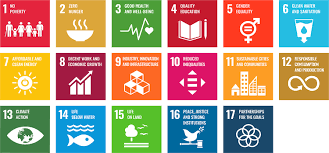
The 17 Sustainable Development Goals
- No Poverty
- Zero Hunger
- Good Health and Well-being
- Quality Education
- Gender Equality
- Clean Water and Sanitation
- Affordable and Clean Energy
- Decent Work and Economic Growth
- Industry, Innovation, and Infrastructure
- Reduced Inequalities
- Sustainable Cities and Communities
- Responsible Consumption and Production
- Climate Action
- Life Below Water
- Life on Land
- Peace, Justice, and Strong Institutions
- Partnerships for the Goals
Importance of the SDGs
1. Reduce Poverty and Inequality
The SDGs focus on improving living conditions and ensuring equal opportunities for people regardless of their background.
2. Promote Environmental Sustainability
The goals encourage responsible use of natural resources, protection of ecosystems, and action against climate change.
3. Improve Health and Education
The SDGs aim to ensure access to quality healthcare and education, which are essential for human development.
4. Support Economic Growth
By promoting decent work, innovation, and sustainable industries, the SDGs contribute to long-term economic prosperity.
5. Encourage Global Cooperation
The SDGs emphasize partnerships among countries, organizations, and communities to solve global challenges collectively.
Role of Individuals in Achieving SDGs
Individuals can contribute by:
- Conserving energy and water
- Supporting quality education
- Promoting equality and inclusion
- Reducing waste and recycling
- Participating in community development activities
- Raising awareness about sustainability issues
Conclusion
The Sustainable Development Goals provide a comprehensive framework for building a more equitable, prosperous, and sustainable world. Achieving these goals requires collaboration among governments, businesses, communities, and individuals. By working together, humanity can create a future where economic growth, social progress, and environmental protection go hand in hand.