Introduction
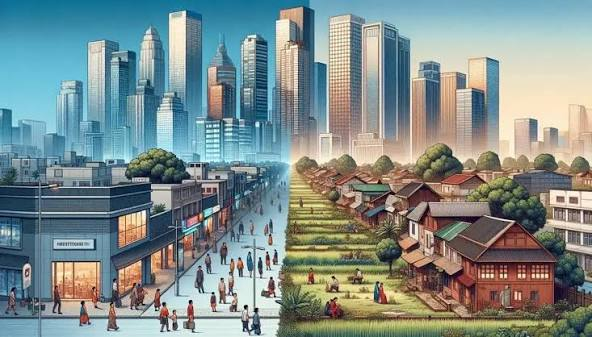
Urbanization is the process by which more people move from rural areas to cities in search of better jobs, education, healthcare, and improved living standards. Over the past few decades, cities around the world have grown rapidly, becoming centers of economic activity and innovation. While urbanization has created many opportunities, it has also brought significant challenges that require careful planning and sustainable solutions.
Benefits of Urbanization
One of the greatest advantages of urbanization is economic growth. Cities attract businesses, industries, and investors, creating employment opportunities for millions of people. Urban areas also provide better access to quality education, advanced healthcare facilities, public transportation, and modern infrastructure.
Urbanization encourages technological innovation and cultural exchange. People from different backgrounds come together, sharing ideas and skills that contribute to scientific progress, entrepreneurship, and creative industries. Modern cities often become hubs for research, technology, and economic development.
Challenges of Rapid Urban Growth
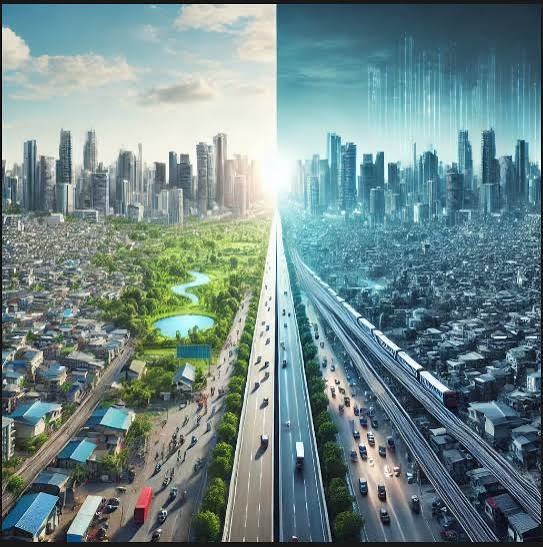
Despite its benefits, rapid urbanization can place enormous pressure on city resources. Overcrowding often leads to traffic congestion, housing shortages, and increased demand for water, electricity, and public services. Poorly planned urban expansion can create informal settlements where residents have limited access to sanitation and healthcare.
Environmental pollution is another major concern. Growing numbers of vehicles and industries contribute to air and noise pollution, while excessive waste production strains waste management systems. Urban development may also reduce green spaces, affecting biodiversity and the quality of life for residents.
The Role of Smart Urban Planning
Effective urban planning is essential to managing the challenges of urbanization. Governments and city planners can invest in efficient public transportation, affordable housing, renewable energy, and sustainable infrastructure. Expanding parks, planting trees, and protecting natural ecosystems can improve environmental quality while making cities healthier places to live.
Smart city technologies, such as intelligent traffic management, energy-efficient buildings, and digital public services, can further improve urban life by reducing resource consumption and increasing efficiency.
Conclusion
Urbanization has transformed modern cities into engines of economic growth and innovation. However, its benefits can only be sustained through responsible planning and environmental protection. By investing in sustainable infrastructure, smart technologies, and inclusive policies, cities can continue to grow while providing a high quality of life for current and future generations.