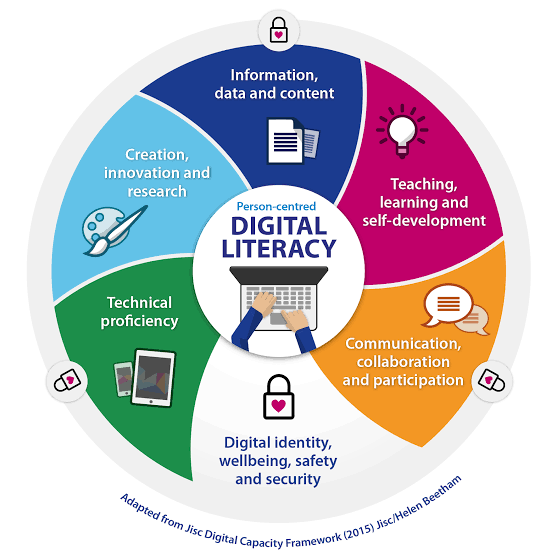
Digital literacy has become an essential skill for students in today’s technology-driven world. It goes beyond knowing how to use a computer or smartphone; it includes the ability to find reliable information, communicate effectively online, use digital tools responsibly, and stay safe in the digital environment.
Modern education relies heavily on digital platforms for research, assignments, collaboration, and communication. Students who possess strong digital literacy skills can access educational resources more efficiently, participate in online learning, and complete academic tasks with confidence. These abilities also help them adapt to rapidly changing technologies throughout their lives.
Digital literacy teaches students how to evaluate online information critically. With millions of websites and social media posts available, it is important to distinguish credible sources from misinformation. Learning to verify facts, identify trustworthy content, and think critically enables students to make informed decisions and become responsible digital citizens.
Another key benefit is improved communication and collaboration. Students can work together using cloud-based tools, video conferencing, shared documents, and educational platforms. These technologies encourage teamwork and prepare students for modern workplaces where digital communication is a daily necessity.
Digital safety is equally important. Students should understand how to protect their personal information, create strong passwords, recognize cyber threats, and practice respectful online behavior. Developing good cybersecurity habits helps reduce the risks of identity theft, cyberbullying, and online scams.
Furthermore, digital literacy supports creativity and innovation. Students can create presentations, videos, websites, graphics, and digital projects that enhance learning and allow them to express their ideas effectively. These creative skills are increasingly valuable in education and future careers.
As technology continues to evolve, digital literacy will remain a fundamental requirement for academic achievement and professional success. Schools, teachers, and parents should work together to ensure that every student develops the knowledge and confidence needed to use technology wisely, safely, and productively.