Introduction
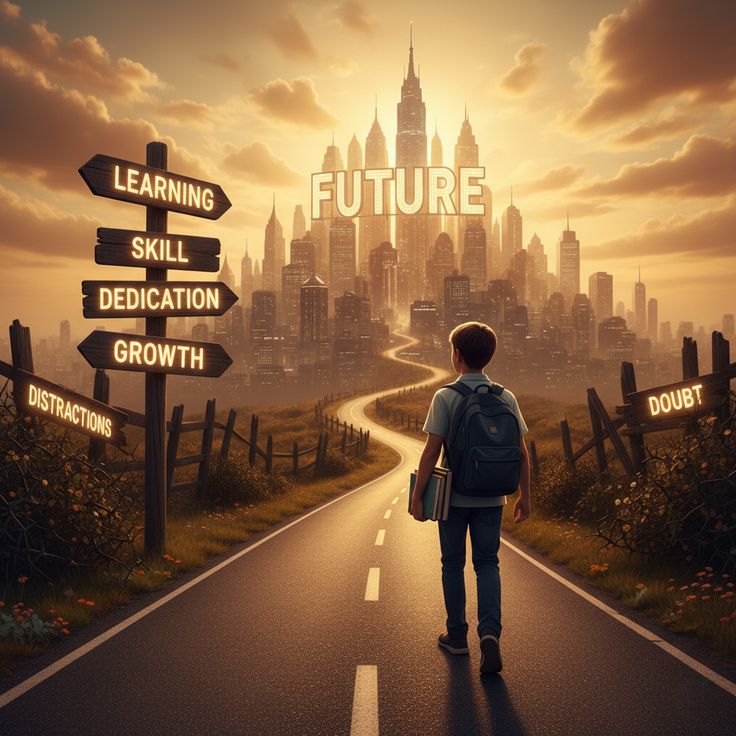
Education is often described as the foundation of a successful society and a prosperous future. It is a lifelong process that enables individuals to acquire knowledge, develop skills, and build character. In today’s rapidly changing world, education plays a more important role than ever before. It empowers people to make informed decisions, pursue meaningful careers, and contribute positively to their communities. Whether gained through formal schooling, vocational training, or self-learning, education serves as a powerful tool for personal and social transformation.
What Is Education?
Education is the process of learning and gaining knowledge, skills, values, and habits through various methods such as teaching, training, research, and practical experience. It extends beyond classrooms and textbooks, influencing every aspect of life. Education helps individuals understand the world around them and prepares them to face challenges with confidence and competence.
Education can be categorized into three main types:
- Formal Education – Structured learning provided by schools, colleges, and universities.
- Informal Education – Learning acquired through daily experiences, family interactions, and social activities.
- Non-Formal Education – Organized learning programs outside traditional educational institutions, such as workshops and vocational training.
The Role of Education in Personal Development
One of the most significant benefits of education is personal growth. It helps individuals develop critical thinking, creativity, communication, and problem-solving skills. Educated people are often better equipped to analyze situations, make informed decisions, and adapt to changing circumstances.
Education also boosts self-confidence and self-esteem. As people gain knowledge and achieve academic success, they become more capable of pursuing their goals and overcoming obstacles. Furthermore, education encourages curiosity and lifelong learning, helping individuals continuously improve themselves throughout their lives.
Education and Career Opportunities
Education is a key factor in career success. Employers value individuals who possess relevant knowledge, technical expertise, and professional skills. Higher levels of education often lead to better job opportunities, higher salaries, and increased job security.
In today’s competitive job market, education helps individuals stand out and qualify for specialized professions such as medicine, engineering, law, information technology, and business management. Additionally, education fosters entrepreneurship by providing people with the skills and confidence needed to start and manage successful businesses.
Economic Benefits of Education
Education contributes significantly to economic growth and development. A well-educated workforce is more productive, innovative, and efficient. Countries that invest heavily in education often experience stronger economies, lower unemployment rates, and higher standards of living.
At an individual level, education increases earning potential and financial stability. People with higher educational qualifications generally have access to better-paying jobs and greater career advancement opportunities. This financial security enables them to support their families and improve their quality of life.
Education and Social Development
Education plays a crucial role in creating informed, responsible, and active citizens. It promotes social awareness, tolerance, and respect for diversity. Through education, individuals learn about human rights, civic responsibilities, and the importance of contributing to society.
An educated population is more likely to participate in democratic processes, engage in community service, and support social progress. Education also helps reduce social inequalities by providing opportunities for people from different backgrounds to improve their circumstances and achieve success.
The Impact of Education on Health and Well-Being
Education has a direct impact on health and overall well-being. Educated individuals are more likely to understand health information, adopt healthy lifestyles, and make informed decisions about nutrition, hygiene, and healthcare. As a result, they often enjoy longer and healthier lives.
Furthermore, education can help reduce poverty and improve access to healthcare services. Communities with higher literacy rates generally experience lower rates of disease, child mortality, and social problems.
The Role of Technology in Modern Education
Technology has revolutionized education by making learning more accessible and interactive. Online courses, educational apps, virtual classrooms, and digital resources allow students to learn anytime and anywhere. This has expanded educational opportunities for people who may not have access to traditional learning institutions.
Modern technology also encourages personalized learning experiences, enabling students to learn at their own pace. As digital skills become increasingly important in the workforce, technology-based education prepares individuals for future career demands.
Challenges Facing Education Today
Despite its importance, education systems around the world face several challenges. These include:
- Limited access to quality education in some regions.
- Financial barriers that prevent students from continuing their studies.
- Shortages of qualified teachers and educational resources.
- Technological disparities between urban and rural areas.
- The need to adapt curricula to meet changing workforce requirements.
Addressing these challenges requires collaboration between governments, educational institutions, communities, and private organizations.
The Future of Education
The future of education will likely focus on innovation, flexibility, and lifelong learning. Emerging technologies such as artificial intelligence, virtual reality, and data-driven learning platforms are transforming how people acquire knowledge. Educational systems must continue evolving to prepare students for future careers and global challenges.
Skills such as creativity, critical thinking, emotional intelligence, and digital literacy will become increasingly important. As industries evolve, continuous learning and professional development will be essential for long-term success.
Conclusion
Education is one of the most valuable investments individuals and societies can make. It promotes personal growth, creates economic opportunities, strengthens communities, and improves overall quality of life. In an increasingly interconnected world, education serves as the foundation for innovation, progress, and sustainable development. By ensuring access to quality education for all, societies can empower future generations to achieve their full potential and contribute meaningfully to a better world.
