Gratitude is the simple yet powerful practice of recognizing and appreciating the good things in life. It is more than saying “thank you”—it is an attitude that helps people focus on their blessings rather than their problems. In today’s fast-paced world, where many people are constantly chasing new goals and possessions, practicing gratitude can improve happiness, strengthen relationships, and promote emotional well-being.
What Is Gratitude?
Gratitude is the feeling of appreciation for the people, experiences, and opportunities that enrich our lives. It encourages us to acknowledge both the big achievements and the small moments of joy, such as spending time with family, enjoying good health, or witnessing a beautiful sunrise.
Benefits of Practicing Gratitude
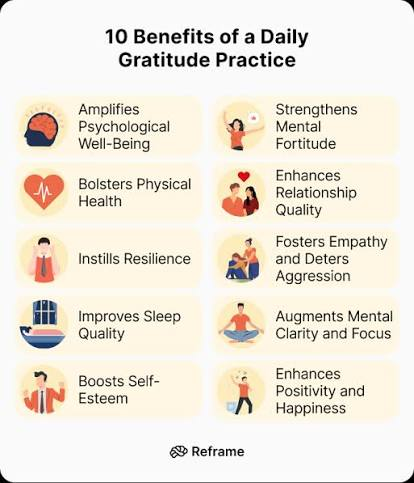
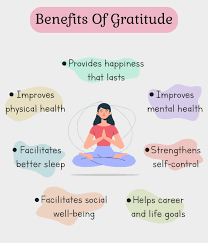
1. Improves Mental Health
Gratitude helps reduce stress, anxiety, and negative thinking. People who regularly express gratitude often experience greater happiness, optimism, and emotional resilience.
2. Strengthens Relationships
Expressing appreciation to family members, friends, colleagues, and teachers strengthens trust and deepens connections. A sincere “thank you” can make others feel valued and respected.
3. Increases Happiness
When people focus on what they already have instead of what they lack, they feel more content and satisfied with life. Gratitude shifts attention from problems to blessings.
4. Encourages Positive Thinking
Grateful individuals tend to approach challenges with hope and confidence. They are more likely to see opportunities for growth even during difficult times.
5. Supports Physical Well-Being
Research suggests that grateful people often develop healthier habits, sleep better, and experience lower levels of stress, contributing to better overall health.
Simple Ways to Practice Gratitude
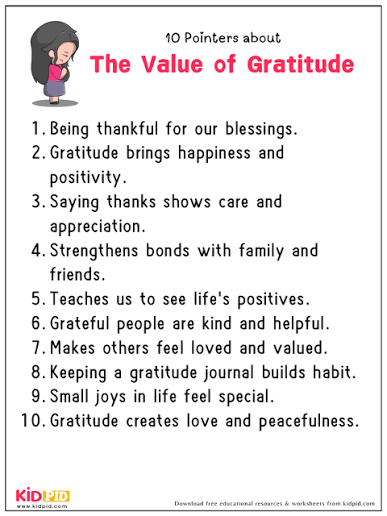
- Keep a daily gratitude journal and write down three things you appreciate.
- Thank people who help or support you.
- Spend quality time with loved ones and appreciate their presence.
- Focus on positive experiences instead of dwelling on negative ones.
- Celebrate small achievements and everyday blessings.
- Practice mindfulness by appreciating the present moment.
Gratitude in Difficult Times
Being grateful does not mean ignoring life’s challenges. Instead, it means recognizing that even during hardships, there are lessons to learn, people who care, and opportunities to grow. Gratitude helps build resilience and provides strength during difficult moments.
Creating a Culture of Gratitude
Schools, workplaces, and communities can encourage gratitude by recognizing achievements, appreciating teamwork, and celebrating acts of kindness. A culture of gratitude creates more supportive and positive environments for everyone.
Conclusion
Gratitude is a simple habit that can transform the way we experience life. By appreciating what we have, expressing thanks to others, and focusing on life’s blessings, we become happier, healthier, and more connected. Making gratitude a daily practice not only improves our own well-being but also spreads positivity to those around us. In a world filled with constant change, gratitude remains one of the most powerful tools for living a joyful and meaningful life.