Introduction
Humanitarian aid plays a vital role in saving lives and reducing suffering during times of crisis. Whether responding to natural disasters, armed conflicts, disease outbreaks, or food shortages, humanitarian assistance provides essential support to people in urgent need. Around the world, millions of individuals rely on humanitarian aid for access to food, clean water, shelter, healthcare, and education during difficult circumstances.
What Is Humanitarian Aid?
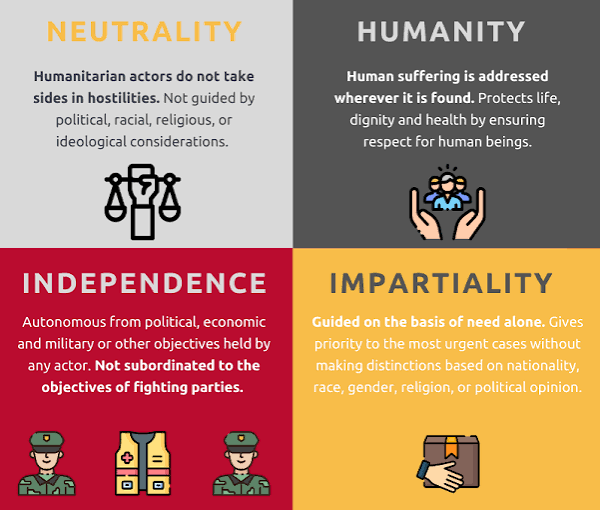
Humanitarian aid refers to emergency assistance provided to people affected by disasters or conflicts. It is delivered by governments, international organizations, charities, and non-governmental organizations (NGOs). The primary goal is to protect human life, preserve dignity, and help communities recover from crises regardless of nationality, religion, or political beliefs.
Humanitarian aid includes emergency food supplies, medical treatment, temporary shelters, sanitation services, clean drinking water, psychological support, and educational resources for displaced children.
Why Humanitarian Aid Matters
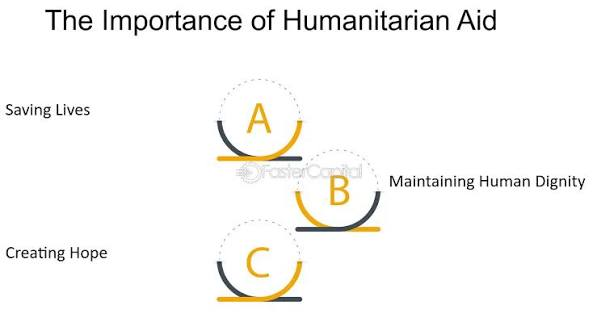
During emergencies, humanitarian aid provides immediate relief that can save countless lives. Quick access to food, healthcare, and safe shelter reduces the risk of hunger, disease, and further suffering.
Humanitarian assistance also supports long-term recovery. Rebuilding schools, hospitals, homes, and infrastructure helps affected communities regain stability and become more resilient against future disasters.
In addition, humanitarian aid promotes human dignity by ensuring that vulnerable people receive support without discrimination. It demonstrates global solidarity and reminds us that compassion and cooperation are essential during times of crisis.
Challenges in Delivering Aid
Providing humanitarian assistance is not always easy. Armed conflicts, damaged infrastructure, limited funding, security risks, and logistical difficulties can delay the delivery of essential supplies. Climate-related disasters are becoming more frequent, increasing the demand for humanitarian support worldwide.
Effective coordination among governments, humanitarian organizations, local communities, and international partners is crucial for ensuring that aid reaches those who need it most.
Building a More Resilient Future
While emergency relief is essential, long-term solutions are equally important. Investing in disaster preparedness, climate adaptation, healthcare systems, education, and sustainable development can reduce the impact of future crises. Strengthening local communities enables them to respond more effectively to emergencies and recover more quickly.
Individuals can also contribute by volunteering, donating responsibly, raising awareness, and supporting organizations that provide humanitarian assistance.
Conclusion
Humanitarian aid is a lifeline for millions of people facing emergencies around the world. It provides immediate relief, supports recovery, and promotes hope during difficult times. By working together and investing in both emergency response and long-term resilience, the global community can help create a safer, more compassionate, and more secure future for everyone.