
Introduction
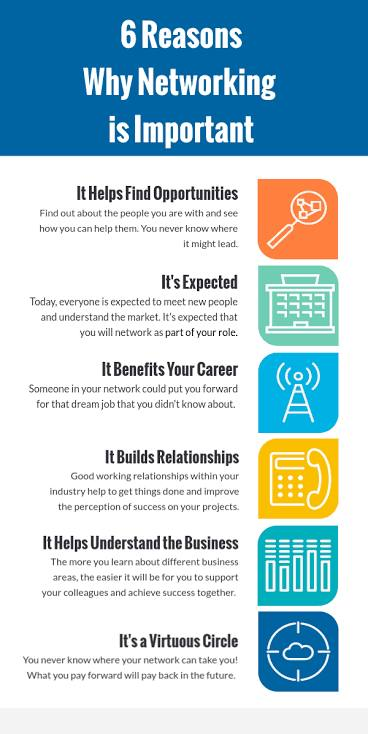
Networking is one of the most valuable tools for personal and professional growth. It involves building and maintaining meaningful relationships with people who can share knowledge, opportunities, advice, and support. In today’s competitive world, success often depends not only on what you know but also on the connections you build throughout your career. Effective networking opens doors to new opportunities, strengthens professional development, and helps individuals achieve long-term success.
What Is Networking?
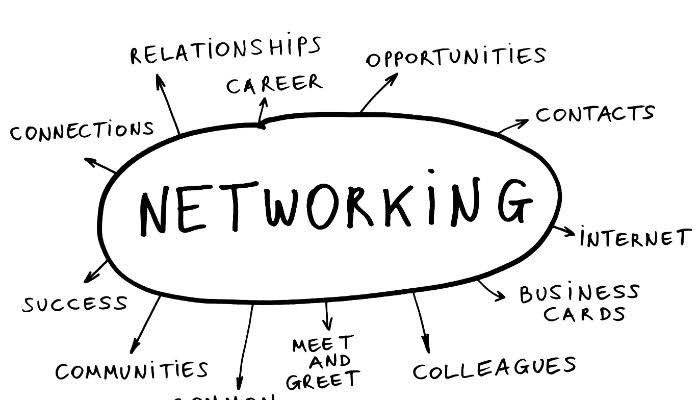
Networking is the process of creating and maintaining professional and personal relationships with people who share similar interests or work in related fields. These connections may include classmates, teachers, colleagues, mentors, business professionals, clients, and industry experts.
Networking is built on trust, mutual respect, and the willingness to help others as well as receive support.
Expanding Career Opportunities
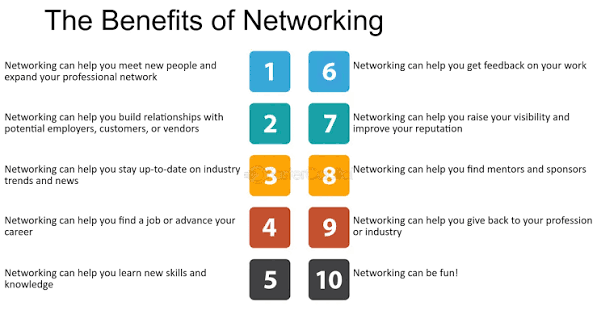
Many job opportunities are filled through referrals and professional connections rather than public job advertisements. A strong network can introduce you to employers, recommend you for positions, or inform you about openings before they are widely advertised.
Building relationships increases your visibility and improves your chances of finding meaningful employment.
Learning from Experienced Professionals
Networking provides access to valuable knowledge and practical advice. Experienced professionals can offer career guidance, share industry insights, recommend learning resources, and help you avoid common mistakes.
Learning from others’ experiences accelerates both personal and professional growth.
Building Confidence and Communication Skills
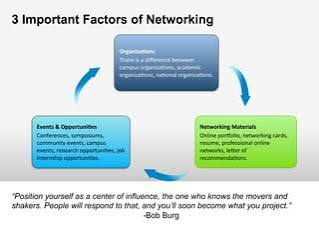
Regular interaction with professionals improves communication, listening, and interpersonal skills. Attending conferences, seminars, workshops, and networking events helps individuals become more confident when introducing themselves and discussing their goals.
These communication skills are valuable in interviews, presentations, and workplace interactions.
Opportunities for Collaboration
Networking often leads to partnerships, business collaborations, research opportunities, and innovative projects. People with diverse backgrounds bring different perspectives and ideas, leading to creative solutions and professional growth.
Collaboration also expands your professional reputation within your industry.
Personal Branding
Networking helps establish your personal brand. By demonstrating professionalism, reliability, and expertise, you create a positive reputation that encourages others to recommend and trust you.
A strong personal brand can lead to invitations for speaking engagements, leadership roles, consulting opportunities, and career advancement.
Networking in the Digital Age
Technology has made networking easier than ever. Professional platforms, online communities, webinars, virtual conferences, and social media allow individuals to connect with professionals around the world.
Maintaining an active online presence and sharing valuable insights can strengthen your professional relationships and increase your visibility.
Tips for Effective Networking
Successful networking requires consistency and authenticity. Some helpful practices include:
- Attend industry events and seminars.
- Join professional organizations and student associations.
- Maintain an updated professional profile online.
- Ask thoughtful questions and listen carefully.
- Follow up after meeting new contacts.
- Offer help and support whenever possible.
- Stay in touch with your network regularly.
Remember that networking is about building genuine relationships, not simply collecting contacts.
Long-Term Benefits
Strong professional relationships provide lasting benefits throughout your career. Your network can offer mentorship, emotional support, business opportunities, recommendations, and lifelong learning experiences.
As your career grows, you can also mentor others and contribute positively to your professional community.
Conclusion
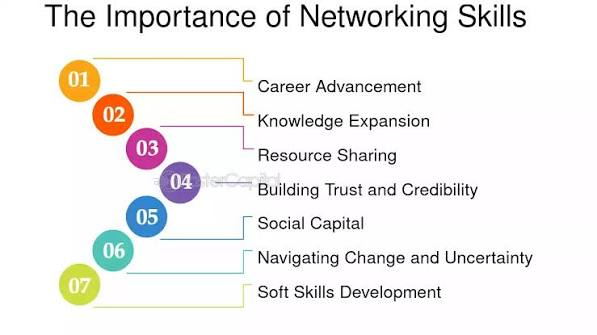
Networking is an essential skill that supports career advancement, personal development, and lifelong learning. By building meaningful relationships, sharing knowledge, and helping others, individuals create opportunities that may not be available through traditional methods. Investing time in networking today can lead to valuable connections and lasting success in the future.