Introduction
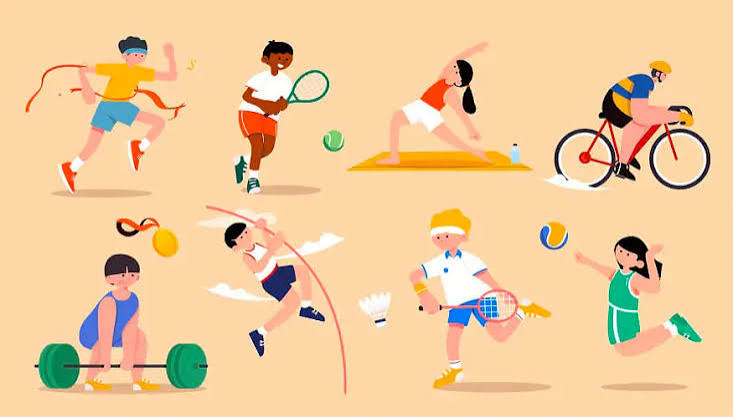
Sports are an essential part of a healthy and active lifestyle. They provide physical exercise, mental relaxation, and opportunities for social interaction. Whether played professionally or recreationally, sports contribute significantly to the overall development of individuals. In today’s fast-paced world, participating in sports has become more important than ever for maintaining physical and mental well-being.
Physical Health Benefits
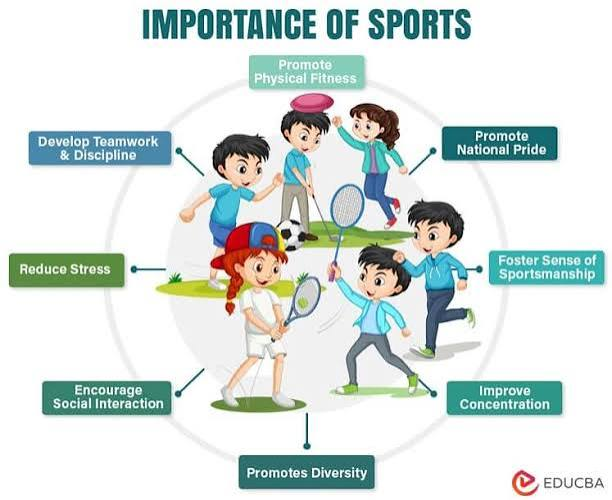
One of the greatest advantages of sports is the improvement of physical health. Regular participation in sports strengthens muscles and bones, improves cardiovascular fitness, and enhances flexibility and endurance. Sports also help maintain a healthy body weight and reduce the risk of diseases such as obesity, diabetes, and heart problems.
Mental and Emotional Well-Being
Sports are not only beneficial for the body but also for the mind. Physical activity helps reduce stress, anxiety, and depression by releasing chemicals in the brain that improve mood. Playing sports promotes relaxation, boosts self-confidence, and helps individuals maintain a positive outlook on life.
Building Discipline and Responsibility
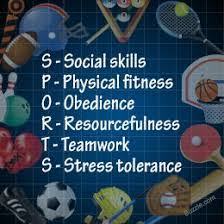
Sports teach valuable life skills such as discipline, dedication, and responsibility. Athletes learn the importance of following rules, respecting others, and managing their time effectively. These qualities are beneficial in education, careers, and personal relationships.
Promoting Teamwork and Leadership
Many sports require cooperation and coordination among team members. Through sports, individuals learn how to communicate effectively, work together toward common goals, and support one another. Sports also provide opportunities to develop leadership skills and decision-making abilities.
Improving Social Relationships
Sports bring people together regardless of age, background, or culture. Participation in sports helps individuals make new friends, strengthen relationships, and develop a sense of community. Sporting events also promote unity and understanding among people.
Sports and Youth Development
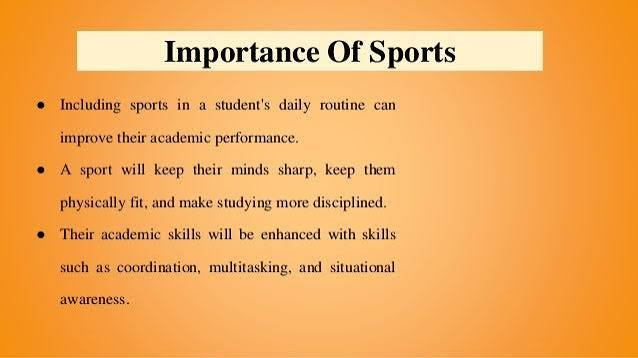
For young people, sports provide a positive way to spend free time and develop healthy habits. They help children and teenagers build confidence, improve academic performance through better concentration, and stay away from harmful activities.
Conclusion
Sports play a vital role in daily life by promoting physical fitness, mental health, discipline, teamwork, and social interaction. They contribute to personal growth and help individuals lead healthier and happier lives. By making sports a regular part of our daily routine, we can improve our overall well-being and achieve a better quality of life.