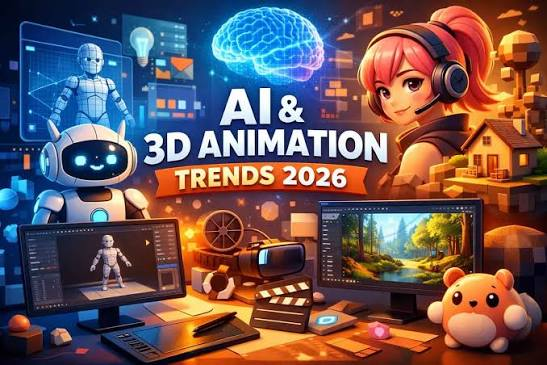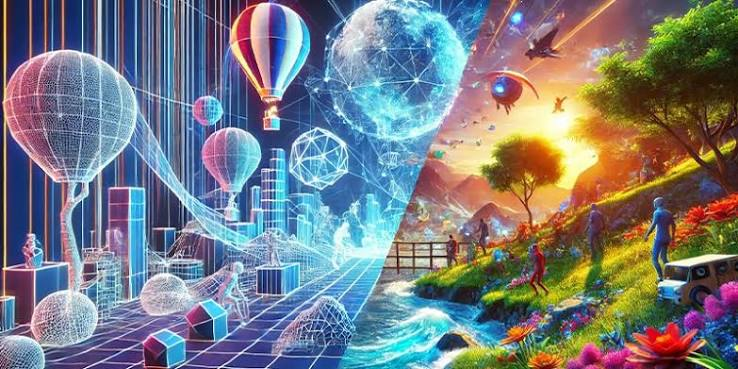
The world of digital art is evolving rapidly, and one of the most exciting developments is the rise of 3D digital illustration and animation. From blockbuster movies and video games to advertising and education, 3D visuals have become an essential part of modern storytelling. Advances in software and hardware have made it easier than ever for artists to create lifelike characters, immersive environments, and stunning visual effects.
Why 3D Art Is Growing
The popularity of 3D illustration is driven by industries that demand realistic and engaging visuals. Film studios, game developers, architects, product designers, and marketing agencies rely on 3D artists to bring ideas to life. Modern software such as Blender, Maya, Cinema 4D, and Unreal Engine allows creators to build detailed models, realistic textures, and dynamic animations with remarkable precision.
Cloud computing and powerful graphics processors have also reduced rendering times, enabling artists to work more efficiently on complex projects.
Applications Across Industries
3D digital illustration and animation are no longer limited to entertainment. They are widely used in:
- Video game development
- Animated films and television
- Product design and advertising
- Architecture and interior visualization
- Medical and scientific education
- Virtual Reality (VR) and Augmented Reality (AR)
Businesses use 3D visuals to demonstrate products before manufacturing, while educators create interactive learning experiences that improve understanding.
Career Opportunities
As demand grows, career opportunities for 3D artists continue to expand. Professionals can specialize in character modeling, environment design, visual effects (VFX), motion graphics, architectural visualization, or animation. Freelancing has also become a popular career path, allowing artists to collaborate with clients worldwide.
Learning industry-standard software and building a strong portfolio are key steps toward success in this competitive field.
The Future of 3D Illustration
Artificial intelligence, real-time rendering, and virtual production are transforming the future of 3D art. Artists can now preview scenes instantly, automate repetitive tasks, and create immersive digital experiences faster than ever before. As technology continues to improve, 3D illustration and animation will become even more accessible to aspiring creators.
Conclusion
The rise of 3D digital illustration and animation is reshaping the creative industry. By combining artistic talent with advanced technology, creators are producing experiences that are more realistic, interactive, and visually captivating. As demand continues to grow, 3D art will remain one of the most valuable and exciting fields in digital creativity.