Introduction
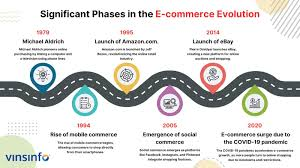
The digital revolution has transformed the way people shop, making e-commerce one of the fastest-growing industries in the world. Consumers can now purchase products and services from anywhere using smartphones, tablets, or computers. Businesses of all sizes are using online platforms to reach global customers, reduce operating costs, and increase sales. The rapid growth of internet access, digital payment systems, and mobile technology has made e-commerce an essential part of the modern economy.
What Is E-commerce?
E-commerce, or electronic commerce, refers to the buying and selling of goods and services over the internet. It includes online retail stores, digital marketplaces, subscription services, online banking, travel bookings, and digital products.
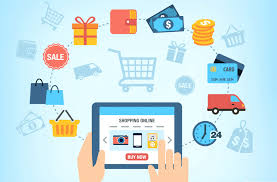
Businesses use websites and mobile applications to display products, process payments, and deliver goods directly to customers.
Factors Driving the Growth of E-commerce
Several factors have contributed to the rapid expansion of online shopping.
Increased Internet Access
More people have access to high-speed internet than ever before, making online shopping convenient and accessible.
Smartphone Usage
The widespread use of smartphones allows customers to browse products, compare prices, and complete purchases anytime and anywhere.
Secure Digital Payments
Online payment methods such as digital wallets, mobile banking, and secure payment gateways have increased consumer confidence in online transactions.
Convenience
Customers enjoy shopping from home, avoiding travel, long queues, and limited store hours. Online stores operate 24 hours a day, providing flexibility and convenience.
Types of E-commerce
Business-to-Consumer (B2C)
Businesses sell products or services directly to individual consumers through online stores.
Business-to-Business (B2B)
Companies sell products, equipment, or services to other businesses using digital platforms.
Consumer-to-Consumer (C2C)
Individuals buy and sell products to one another through online marketplaces.
Consumer-to-Business (C2B)
Individuals offer products or professional services to businesses through online platforms.
Benefits of E-commerce
E-commerce offers numerous advantages for businesses and consumers.
For Businesses
- Access to global markets.
- Lower operating costs.
- Continuous business operations.
- Better customer insights through data analysis.
- Easier inventory management.
- Scalable business growth.
For Consumers
- Greater product variety.
- Competitive prices.
- Easy price comparison.
- Convenient home delivery.
- Customer reviews and ratings.
- Time-saving shopping experience.
Challenges of E-commerce
Despite its many advantages, e-commerce also faces challenges:
- Cybersecurity threats.
- Online fraud.
- Delivery delays.
- Product return management.
- Intense market competition.
- Dependence on internet connectivity.
Businesses must invest in secure systems and excellent customer service to maintain consumer trust.
Emerging Trends in E-commerce
The future of e-commerce is being shaped by:
- Artificial intelligence for personalized shopping.
- Voice-assisted shopping.
- Mobile commerce (m-commerce).
- Augmented reality for virtual product trials.
- Same-day and automated delivery services.
- Social commerce through social media platforms.
- Sustainable packaging and eco-friendly logistics.
The Role of Small Businesses
E-commerce has created new opportunities for small and medium-sized businesses. Entrepreneurs can launch online stores with relatively low investment, reach international customers, and compete with larger companies using digital marketing and customer-focused services.
The Future of E-commerce
As technology continues to evolve, e-commerce will become faster, more secure, and increasingly personalized. Advances in artificial intelligence, automation, and logistics will improve customer experiences and help businesses operate more efficiently. The growth of digital payments and global connectivity will continue to drive the expansion of online commerce.
Conclusion
The rise of e-commerce has transformed global trade by making buying and selling easier, faster, and more accessible than ever before. It has opened new opportunities for businesses, empowered consumers with greater choice, and contributed significantly to economic growth. As innovation continues, e-commerce will remain one of the most influential forces shaping the future of business and the digital economy.