Introduction
Technology has transformed education in remarkable ways, and one of the most exciting innovations is Virtual Reality (VR). Virtual Reality creates immersive digital environments where students can interact with objects and places as if they were physically present. Instead of only reading textbooks or watching videos, learners can experience lessons through realistic simulations. As schools and universities adopt VR, education is becoming more engaging, interactive, and effective.
What Is Virtual Reality?
Virtual Reality is a computer-generated environment that users can explore using special equipment such as VR headsets and motion controllers. It creates a three-dimensional experience, allowing learners to move around, observe objects, and participate in activities in a virtual world.
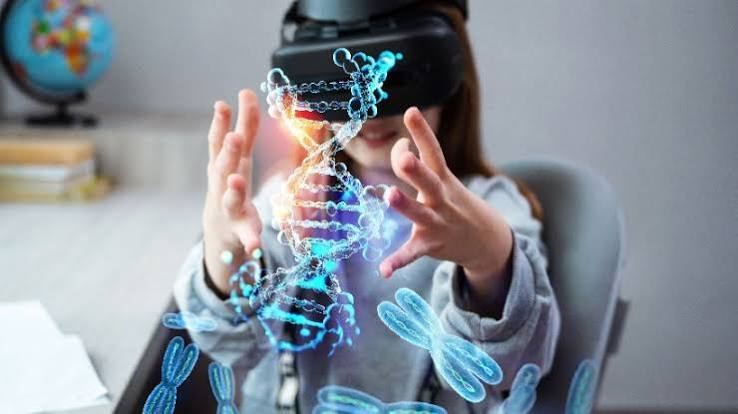
For example, students studying astronomy can travel through the solar system, while biology students can explore the human body from the inside.
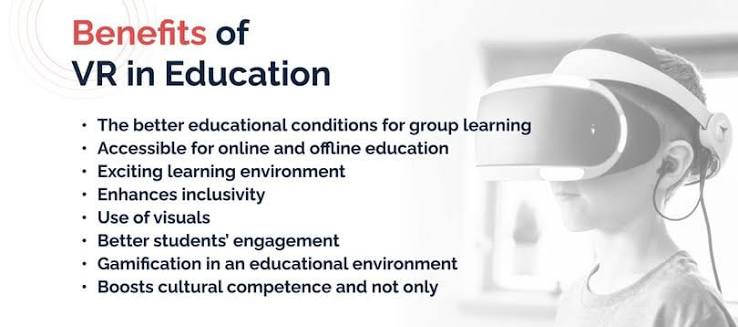
Benefits of Virtual Reality in Education
1. Interactive Learning
VR makes learning more engaging by allowing students to participate actively rather than passively reading or listening. This increases interest and motivation.
2. Better Understanding of Complex Topics
Subjects like science, engineering, and medicine become easier to understand when students can visualize concepts in 3D.
3. Safe Practical Training
Medical students can practice surgeries, pilots can train in flight simulators, and engineers can test machinery without real-world risks.
4. Increased Student Engagement
Interactive environments reduce boredom and encourage students to focus for longer periods.
5. Equal Learning Opportunities
Students from different locations can virtually visit museums, laboratories, historical sites, and cultural landmarks without traveling.
Applications of VR in Education
Science Education
Students can perform virtual chemistry experiments safely without dangerous chemicals.
Medical Training
Future doctors can practice medical procedures repeatedly before treating real patients.
History Lessons
Students can virtually visit ancient civilizations, historical monuments, and famous battlefields.
Language Learning
Learners can practice conversations in realistic virtual environments that simulate different countries and cultures.
Engineering and Architecture
Students can design buildings, inspect structures, and test engineering models before construction begins.
Challenges of Using VR
Although VR offers many advantages, several challenges remain:
- High equipment costs
- Need for technical support
- Limited availability in developing countries
- Teacher training requirements
- Possible motion sickness for some users
As technology becomes more affordable, these challenges are expected to decrease.
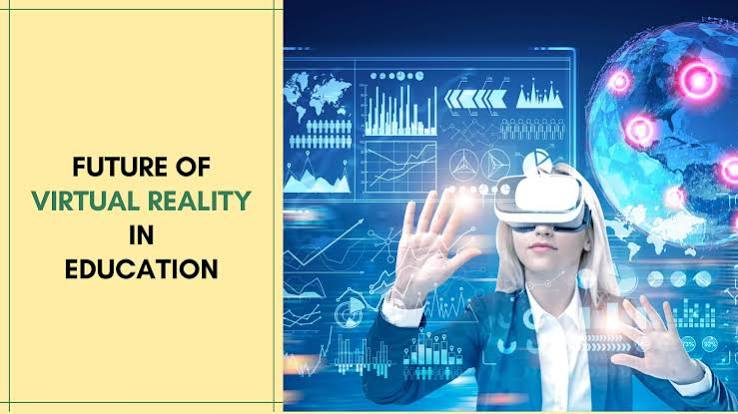
The Future of VR in Education
The future looks promising. Advances in artificial intelligence, faster internet, and affordable VR devices will make immersive learning accessible to millions of students worldwide. Virtual classrooms may become common, allowing students from different countries to learn together in shared virtual environments.
Conclusion
Virtual Reality is revolutionizing education by making learning immersive, interactive, and practical. Although challenges remain, its ability to improve understanding, engagement, and skill development makes it one of the most promising educational technologies of the future.