Introduction
Education is one of the most important foundations for a child’s future success. While schools and teachers play a significant role in the learning process, parents are a child’s first and most influential teachers. The support, guidance, and encouragement provided by parents greatly affect a child’s academic achievement, personal growth, and overall development.
Parents as the First Teachers
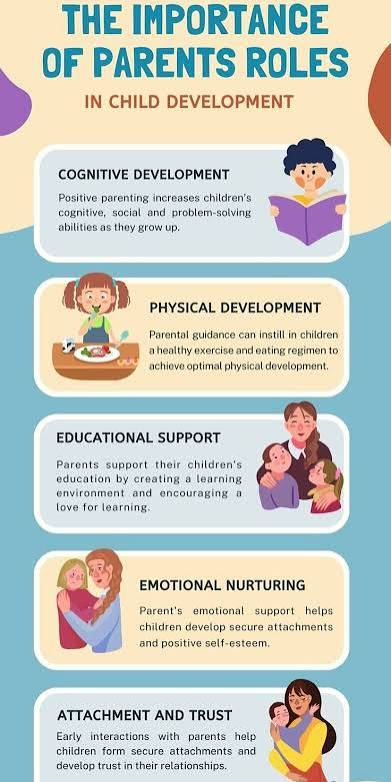
From birth, children begin learning from their parents. They observe behaviors, develop language skills, and learn basic values through daily interactions at home. Parents teach important life lessons such as honesty, respect, responsibility, and discipline. These early experiences create a strong foundation for future learning and character development.
Supporting Academic Success
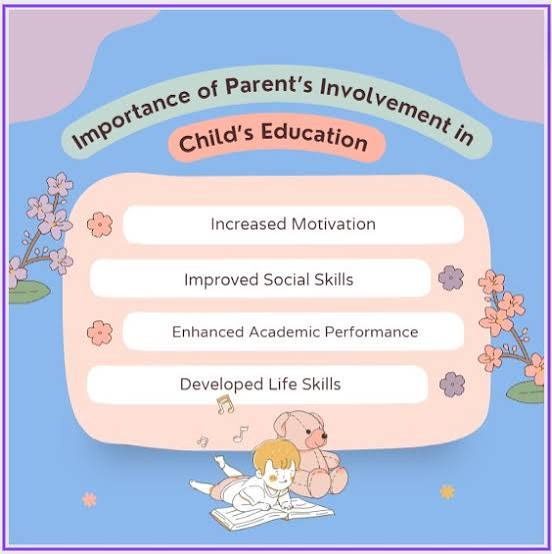
Parental involvement in education has a positive impact on a child’s academic performance. Children whose parents show interest in their studies are often more motivated to learn and perform better in school. Parents can support academic success by helping with homework, monitoring progress, attending school meetings, and encouraging good study habits.
Creating a Positive Learning Environment
A supportive home environment is essential for effective learning. Parents can create a positive atmosphere by providing a quiet place for studying, ensuring access to educational resources, and maintaining a regular study schedule. Such an environment helps children focus on their studies and develop a love for learning.
Encouraging Motivation and Confidence
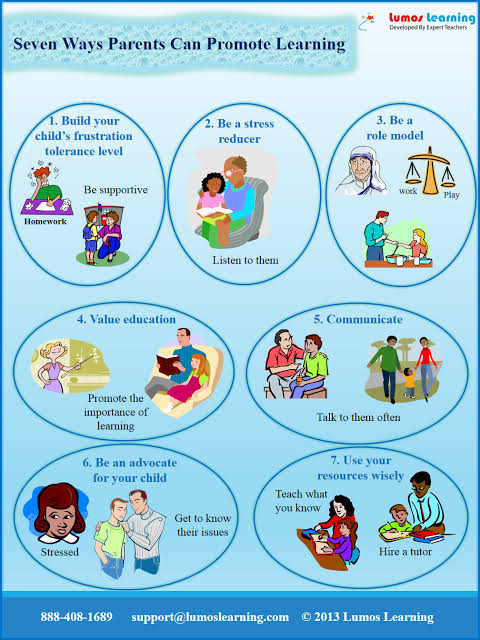
Children need encouragement to overcome challenges and achieve their goals. Parents who praise effort rather than just results help build self-confidence and resilience. Positive reinforcement motivates children to work hard, learn from mistakes, and continue striving for success.
Building Strong Communication
Effective communication between parents and children strengthens the educational process. When parents discuss school activities, listen to their children’s concerns, and provide guidance, children feel supported and valued. Open communication also helps parents identify any academic or emotional difficulties their children may be facing.
Working Together with Schools
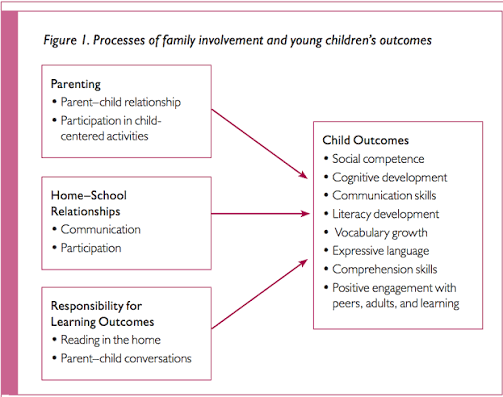
Education is most effective when parents and schools work together. Regular communication with teachers allows parents to stay informed about their child’s progress and address any issues early. Collaboration between parents and educators creates a supportive network that benefits the child’s learning and development.
Challenges Faced by Parents
Many parents face challenges such as busy work schedules, limited educational resources, or lack of time. However, even small actions—such as asking about school, reading with children, or attending important school events—can have a significant positive impact on a child’s education.
Conclusion
Parents play a vital role in shaping a child’s educational journey. Their involvement, encouragement, and support help children develop academically, socially, and emotionally. By creating a positive learning environment and maintaining strong communication with schools, parents can contribute greatly to their children’s success and help them become confident, responsible, and lifelong learners.